Meaning
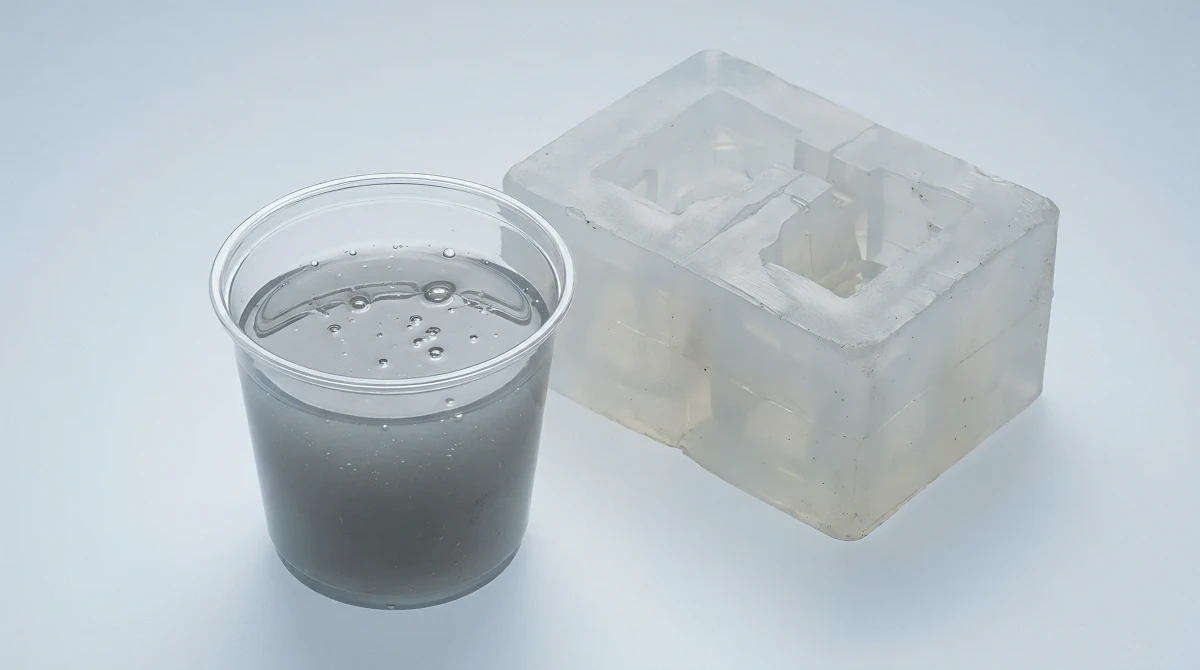
Polyurethane is the resin family cast in vacuum casting, formed when a polyol and an isocyanate react after mixing. Every casting resin read in these resources is a two-component polyurethane. It is poured into a silicone tool at 70 °C (158 °F) and cures there by chemical reaction. Each grade is formulated to come close to the behavior of a familiar plastic or rubber.Component Chemistry
The first component is the polyol, which differs from grade to grade. The other is the isocyanate, which can be shared, as PX521 is by Sika’s 2 clear grades. The pot life starts the moment the two meet. Each component is therefore degassed alone before the two are mixed. Mix ratios by weight run from 100 to 50 on PX522 to 100 to 200 on Renishaw 6230.Read More
Reaction Heat
The reaction gives off heat of its own. A thick section holds that heat and cures faster than a thin wall, which loses it to the silicone. PX523 shows the effect on its sheet. A 100 mm (3.94 in) block demolds in 45 minutes and a wall under 5 mm (0.20 in) in 3 hours. The same heat is the likely reason each sheet sets a maximum casting thickness, from 5 mm (0.20 in) up to 100 mm (3.94 in).Property Range
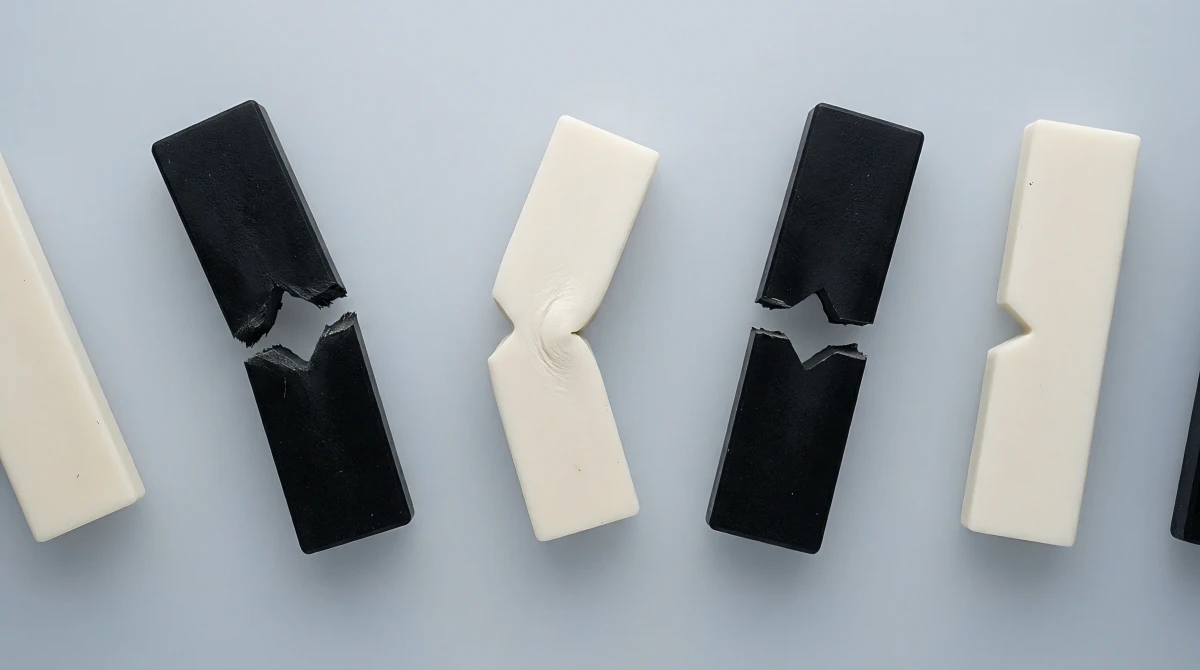
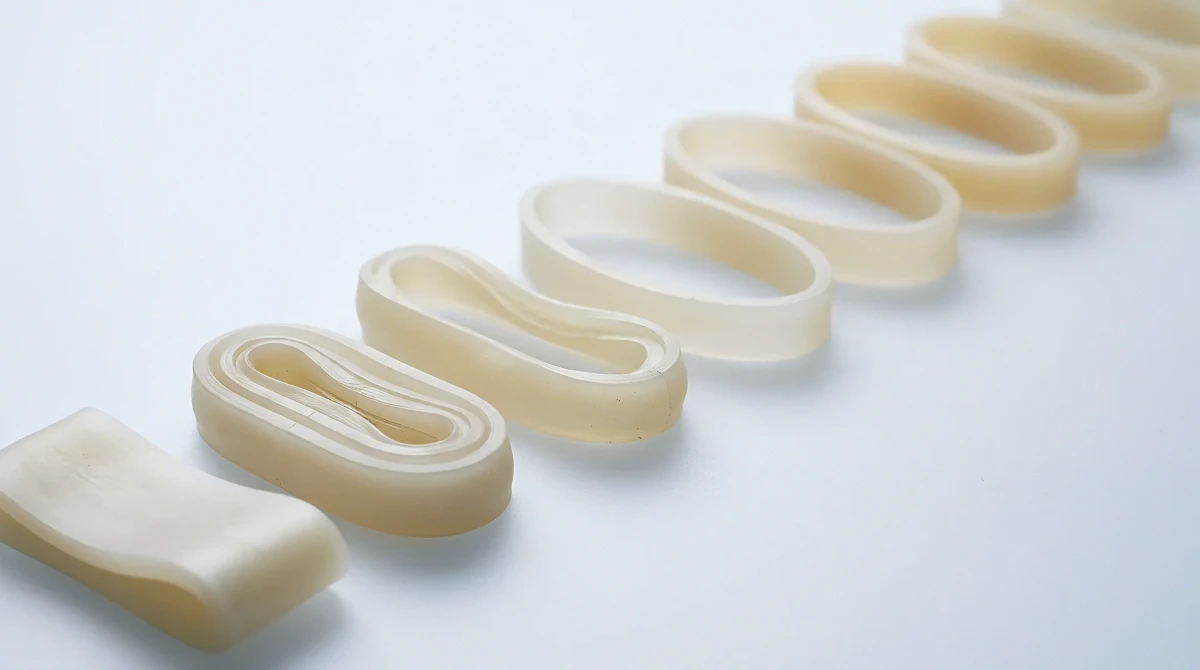
A single chemistry covers a wide spread of properties. Hardness runs from Shore A 60 on the rubber-like Renishaw 8020-2 to Shore D 86 on PX331 and PX523. Flexural modulus runs from 500 MPa (73 ksi) on PX205 to 3,700 MPa (537 ksi) on PX331. Glass transition reaches 120 °C (248 °F) on PX 223 HT. Cured densities on the sheets run from about 1.06 to 1.35 g/cm³ (66 to 84 lb/ft³). The soft end of the family sits where ISO 868 points to the rubber method ISO 48.Naming by Family
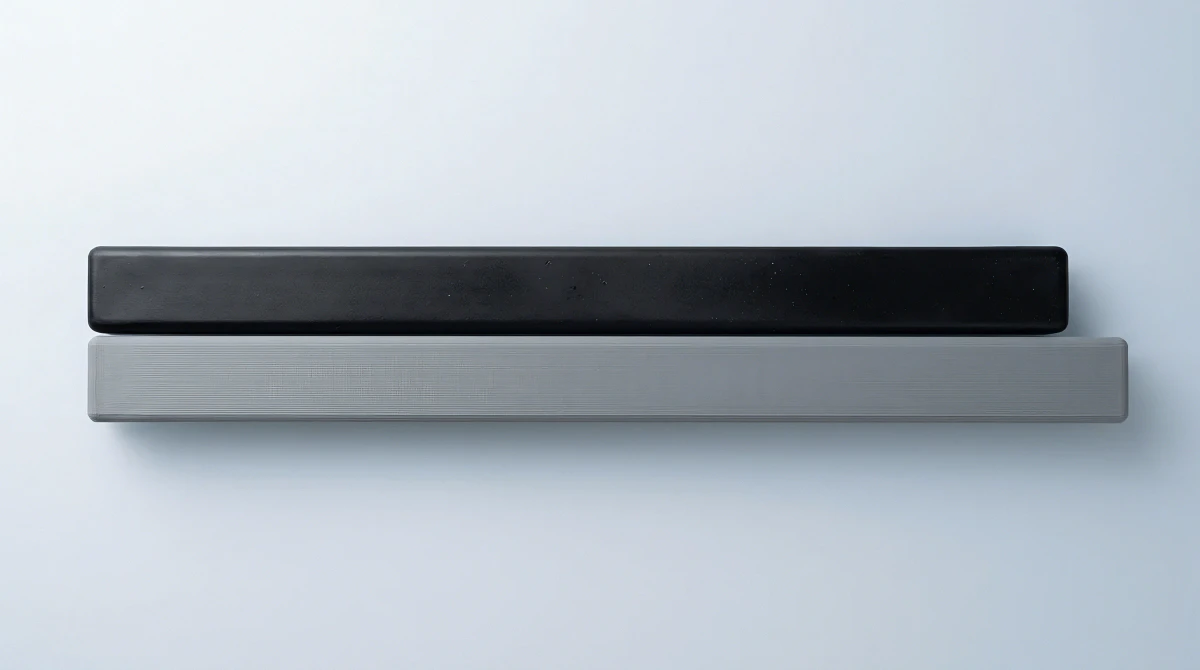
Makers name grades by the plastic they resemble. Sika compares PX331 with filled ABS and PX205 with polypropylene and HDPE. Renishaw compares 6230 with ABS and lists a transparent ABS-type grade, SG95. The word similar describes a family of properties, and every figure still sits on the grade’s own sheet. A 2020 study cast its parts in an ABS-simulating polyurethane, Alchemix VC 3392.Typical Parts
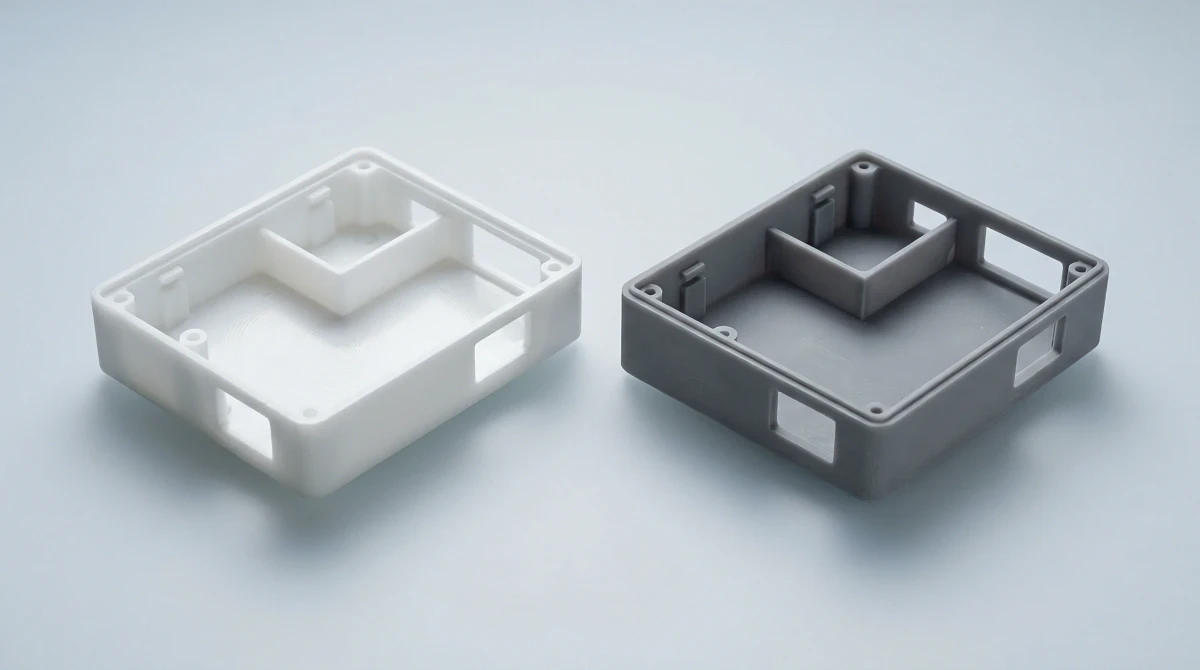
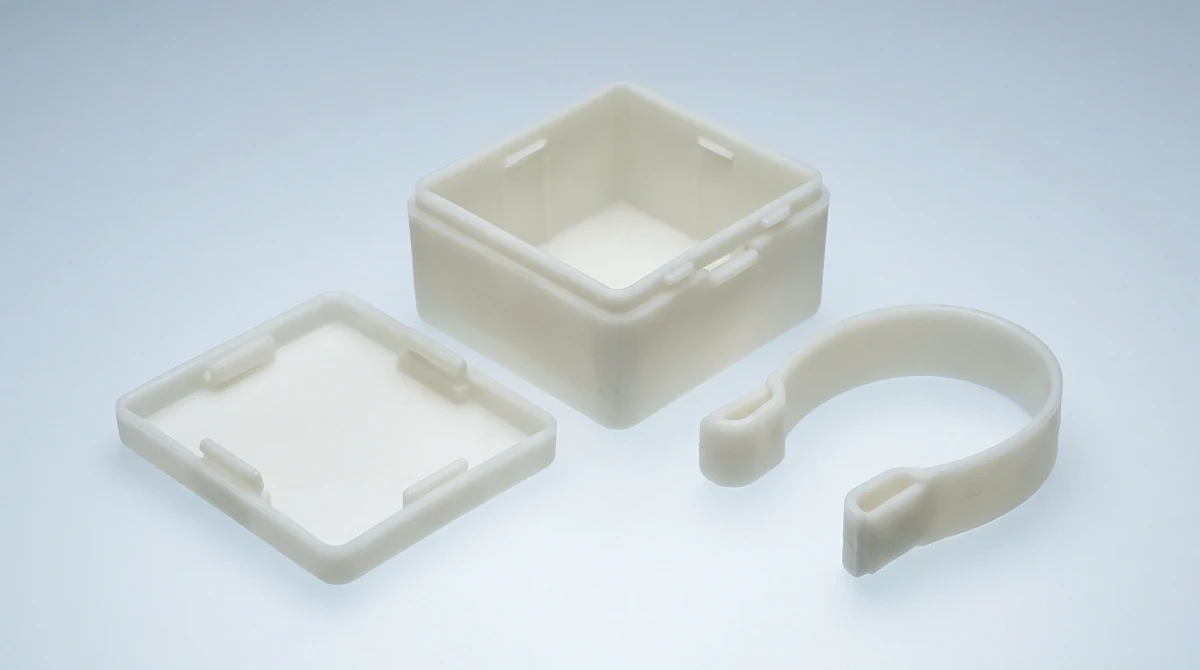
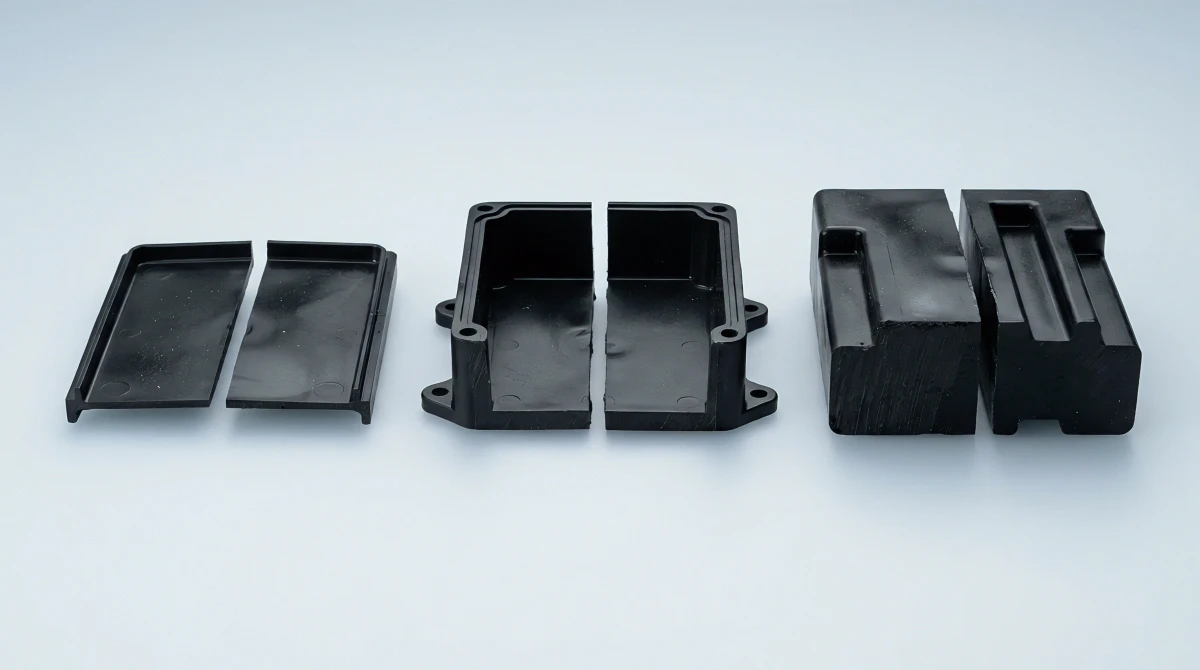
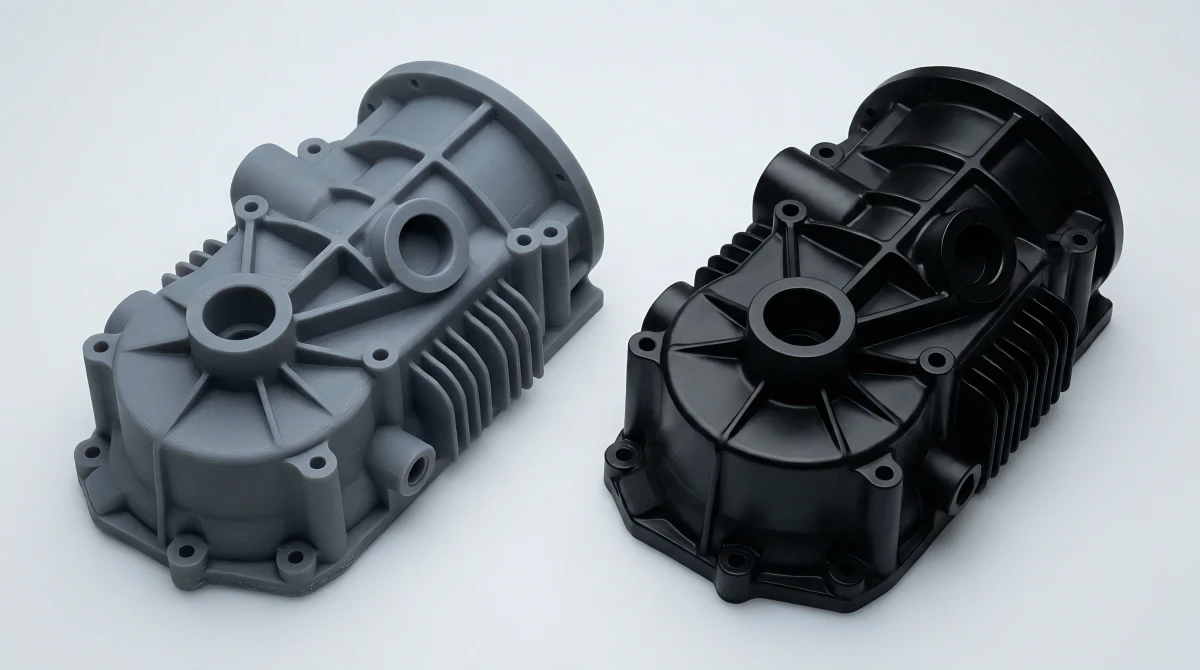
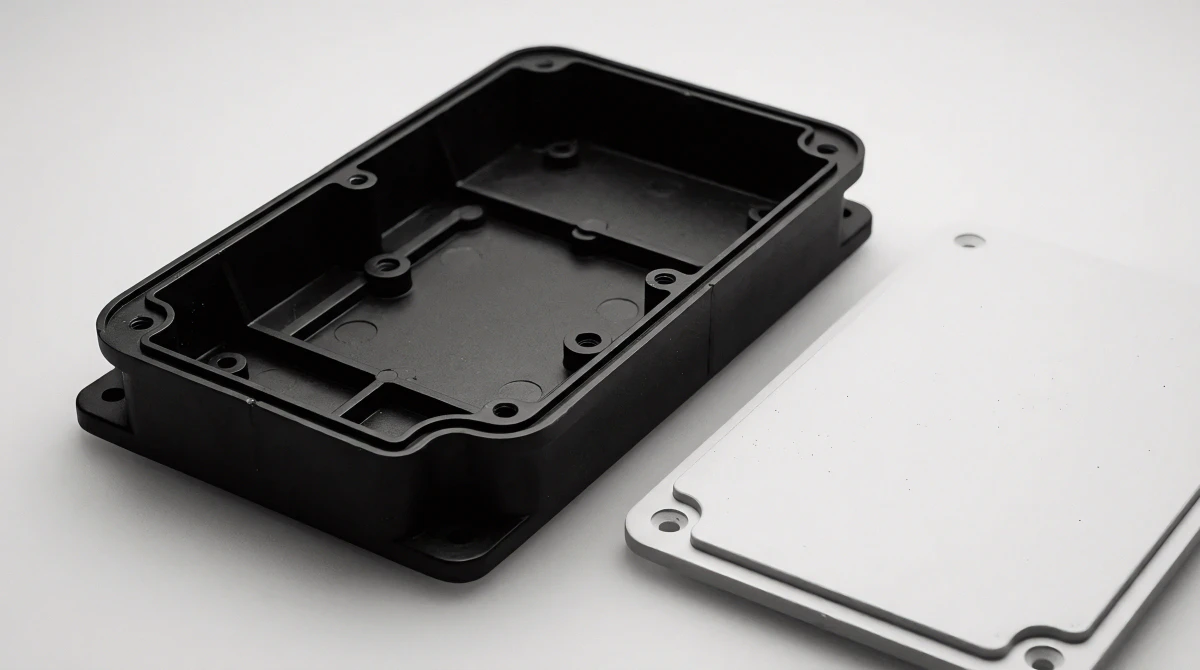
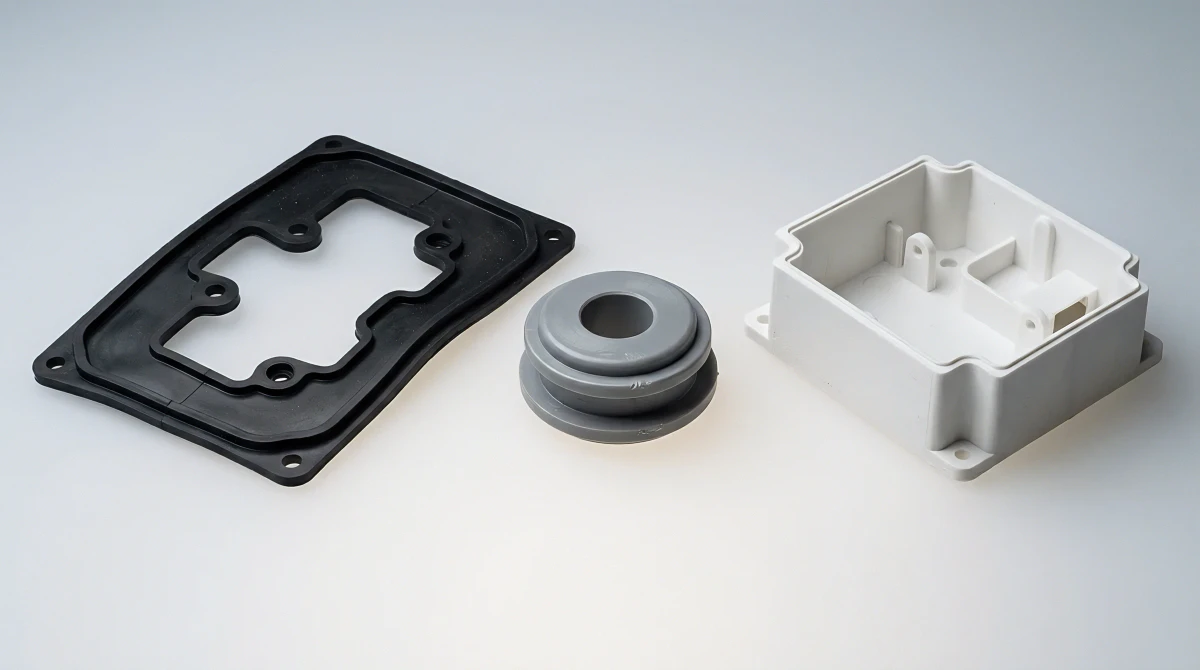
The grades on file are written for named jobs. Renishaw suggests 8263 for electrical enclosures and 8020-2 for thin gaskets, seals and valves. Lens covers, light pipes and display windows use the clear grades. ABS-like grades serve housings that need stiffness, hardness and heat deflection.Test Standards
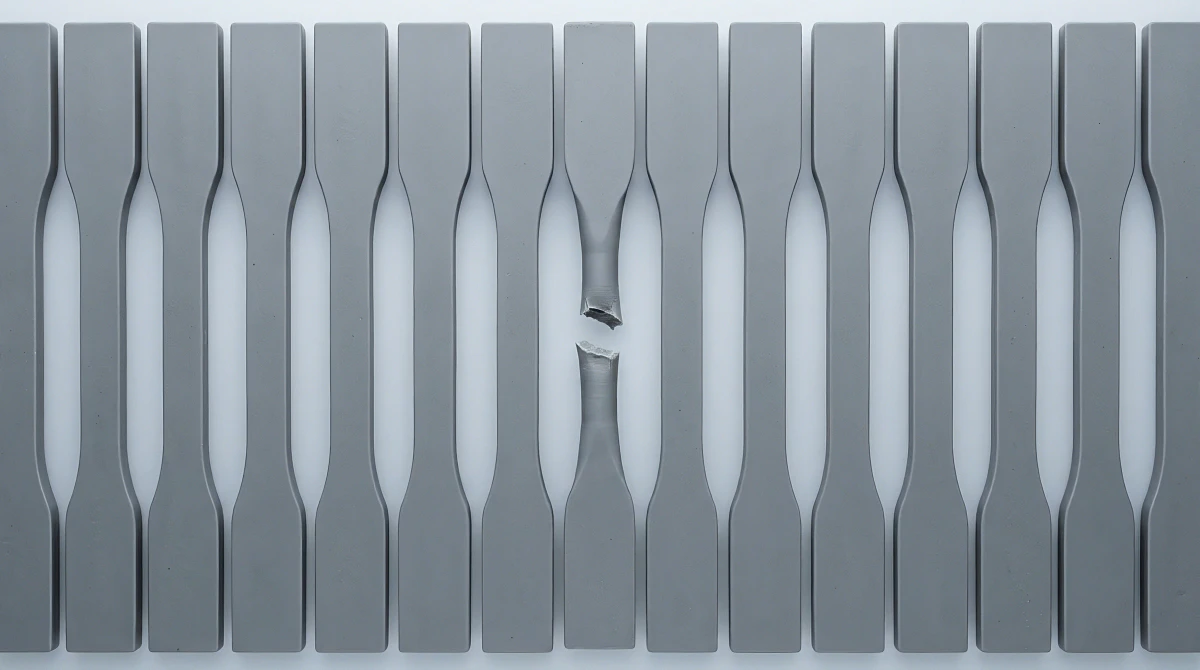
The cured properties are measured under plastics standards. The sheets cite ISO 868 for hardness, ISO 75 for heat deflection and ISO 11359 for glass transition. Tensile, flexural and impact values follow ISO 527, ISO 178 and ISO 179 on the Sika sheets. Shrinkage is the exception, measured by each maker’s own method in the absence of a standard.Water Reaction
Both polyols and isocyanates absorb moisture from the air. Water meeting isocyanate forms carbon dioxide and amines, and the gas shows in the cured part as bubbles or foam. Isocyanate type matters, since aliphatic ones are less water-reactive than aromatic ones. A contaminated isocyanate may look cloudy or carry solids, while a wet polyol often looks normal. Sika asks for containers closed at once after use, and Renishaw keeps opened cans capped.Silicone Contact
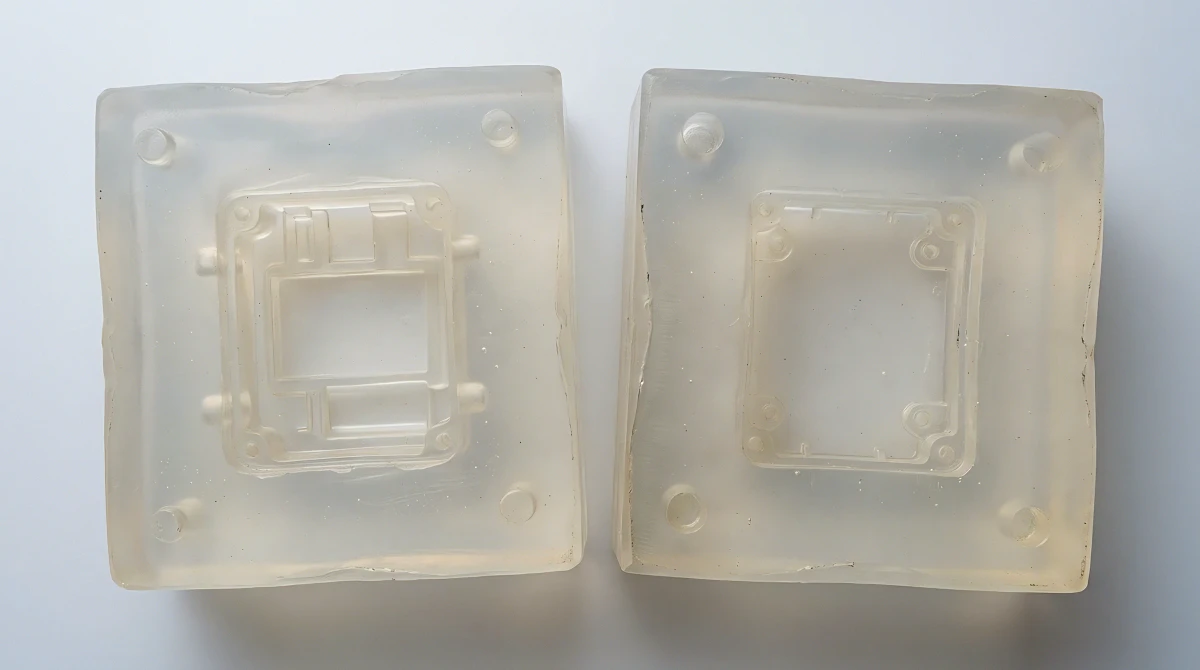
The resin sits in contact with the silicone through the pot life and the cure. Wacker sells ELASTOSIL M 4601 as resistant to common casting resins, polyurethane in particular. Sika presents PX 223 HT as mild on silicone. Tool wear thus varies from grade to grade.Production Resin Difference
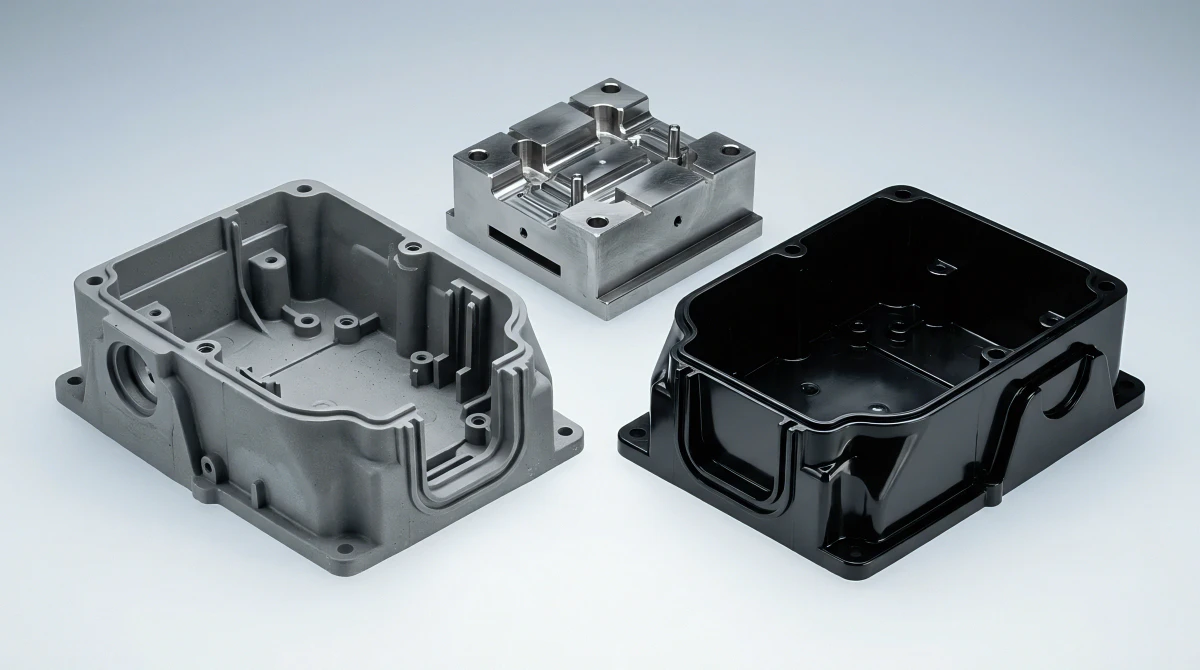
Injection molding will use a thermoplastic in place of the cast polyurethane. A molded part in the real thermoplastic has datasheet values measured on molded bars. Comparing those datasheets comes first. Dimensions, color and properties approved on cast parts are confirmed again on the first molded articles.