Mix Ratio

The mix ratio is the proportion by weight in which the 2 components of a casting resin or a mold silicone are combined.

Every Mix Ratio article of the Vacuum Casting Resources, newest first, each written from published standards, research and makers’ data.

Meaning

The mix ratio is the proportion by weight in which the 2 components of a casting resin or a mold silicone are combined. Each maker prints it per grade, written as parts of one component to 100 of the other. The ratio in the tool is the ratio that counts, so weighing allows for what stays behind in the cups. A wrong ratio shows later as a soft or tacky part.

Ratios by Grade

Vacusil 2000 mold silicone mixes 100 to 10. Among the resins, PX522 mixes 100 to 50 and PX523 mixes 100 to 62 with the shared isocyanate PX521. PX 223 HT mixes 100 to 80. Renishaw’s 6230 mixes 100 to 200, 8263 mixes 100 to 150 and the rubber-like 8020-2 mixes 100 to 90. The silicones in a 2004 dissertation also mix 1 to 10.
Read More

Weighing and Residue

Each component is weighed in a container of its own. The first cup is never emptied fully when it is tipped into the second. Sika and Renishaw both tell users to weigh with that loss in mind. Below about 50 g (1.8 oz) per mix, a 2004 dissertation found the ratio too unsteady for reliable properties.

Silicone Mix Procedure

The silicone is weighed into a clean, dry cup. It is mixed while the sides and bottom are scraped, so no unmixed pockets remain.

Wrong Ratio Faults

A tacky skin on a cast part points first to the ratio and the mix. The other causes are a short cure at 70 °C (158 °F) and wet components. In a flame test, a casting run with a loose mix ratio can read differently from a careful one. A rating at the margin of a pass limit calls for a second look at the lot and its cure.
Vacuum Casting Defects in a Batch Traced to Their Cause

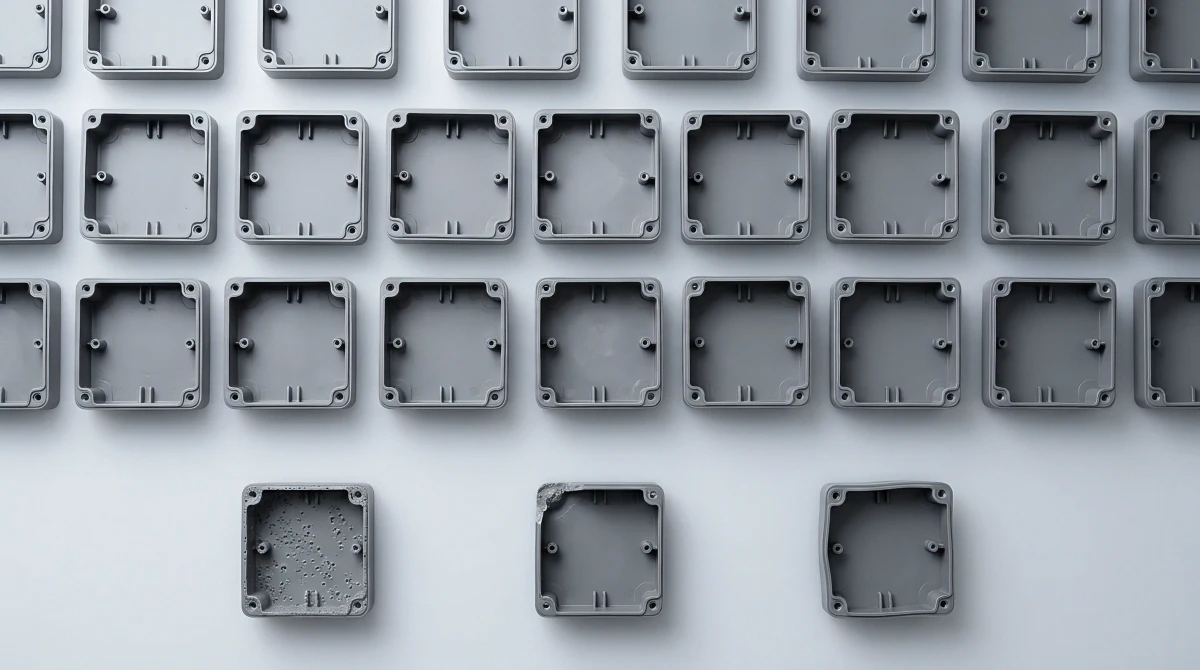
A vacuum casting defect points to its cause by where it sits on the part and which castings of the batch show it, from one wet pour to a mold near its end.

The List of Casting Defects and the Cause Behind EachVacuum casting defects trace to six causes: moisture in the components, air folded in during mixing and pouring, a mixing ratio upset by weighing or crystallization, a mold or master fault copied into every part, a cure or demold cut short, and a silicone mold wearing out over the run. The table pairs the defects named in the opened documents with those causes and with what a buyer or inspector sees.

Painting and Texturing Vacuum Cast Parts After Demold

A cast urethane part is painted only after its release agent is washed off and its surface keyed, with flexible coatings on parts that bend.

Painting Vacuum Cast Parts Step by StepA vacuum cast part is painted by removing the release agent, keying and degreasing the surface, applying an adhesion promoter where the substrate calls for one, priming, and then applying the color and clear coats, with flexible additives in every layer when the part bends. The car refinish makers write the sequence most completely, because they paint new plastic parts every day.

Shore Hardness Standards for Cast Polyurethane Parts

Shore hardness is a control number tied to a scale, a temperature, a cure state and a reading time, and a drawing callout needs all four.

Hardness Standards Behind a Cast Polyurethane Shore ValueThree documents appear most often around cast polyurethane. ISO 868 is the plastics method named on the resin sheets, ASTM D2240 is the American test method that reaches rubber and some plastics, and ISO 48-4 is the rubber method that covers softer grades.

Silicone Rubber for Vacuum Casting Molds

Mold silicone is an addition-cure rubber chosen for hardness and resin resistance, checked against every material it touches, and treated as a consumable.

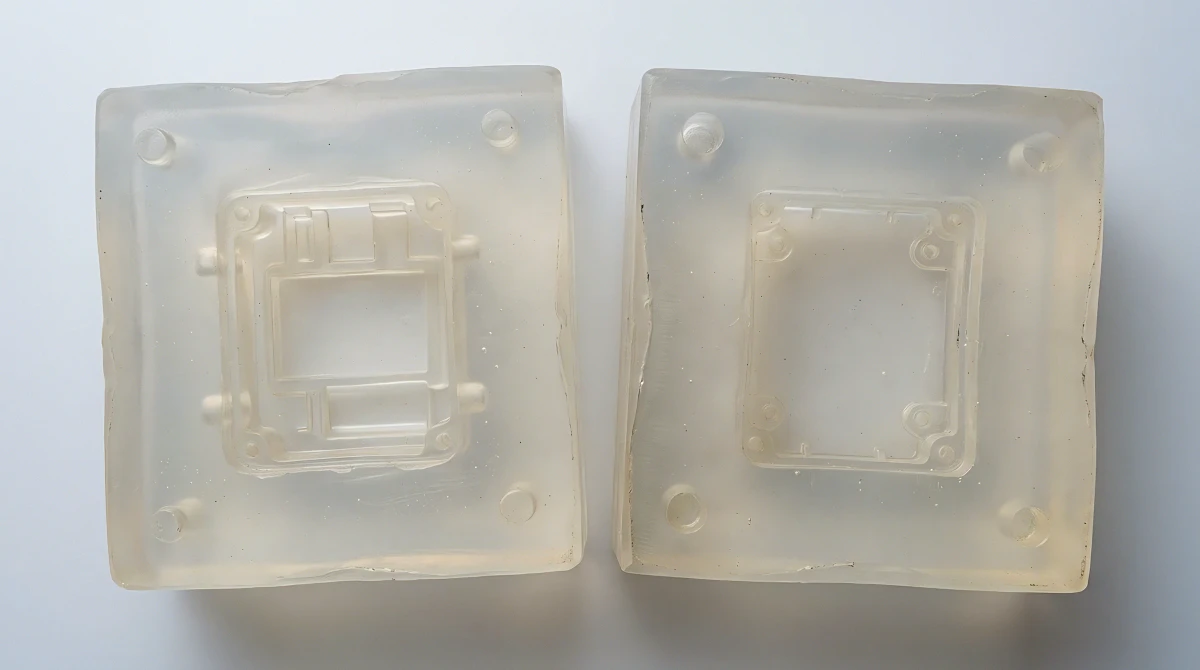
Silicone Rubber as the Mold Material in Vacuum CastingA mold silicone is a two-component liquid rubber that is poured round a master, cured at room temperature or a little above, and cut open to release the master. Renishaw describes Vacusil 2000 as a two-component addition-cure liquid silicone rubber designed for mold making, curing at room temperature to a translucent, high-strength elastic rubber, and names vacuum casting of polyurethane resins among its uses.

Clear Polyurethane Casting Resin for Vacuum Casting

A clear polyurethane grade is chosen by section thickness first, and its post-cure has a printed ceiling that protects the color of the part.

How Clear a Casting Resin Is in Datasheet NumbersOn a datasheet, clear is a claim with two numbers behind it at most. PX522 is described as water clear, with a coefficient of light transmission of 89 percent measured by the laboratory LNE, and PX523 prints a refractive index of 1.511.

Send the Drawing of Your Cast Part

Send the 2D drawing and the 3D file, with the quantity and the stage of the project. An engineer replies within 1 working day.

The quote form, the mutual NDA and the private folder for your files are on Protolis Atelier, with Vacuum Casting chosen.

Request a Quote