Read More
Shrinkage Check
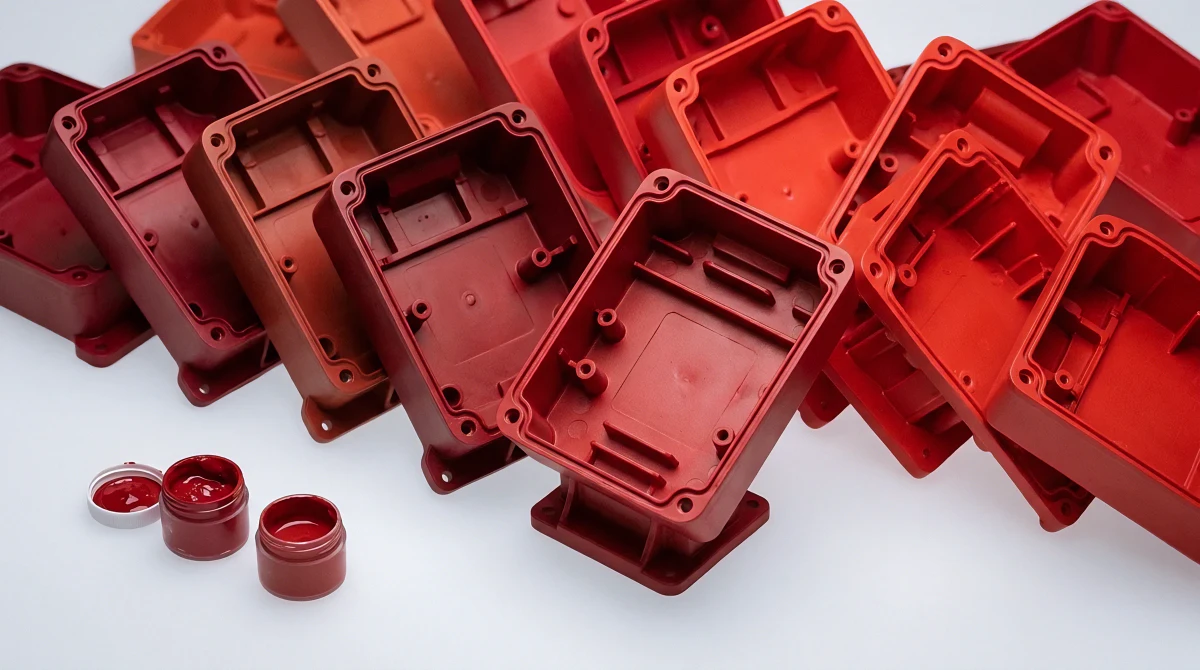
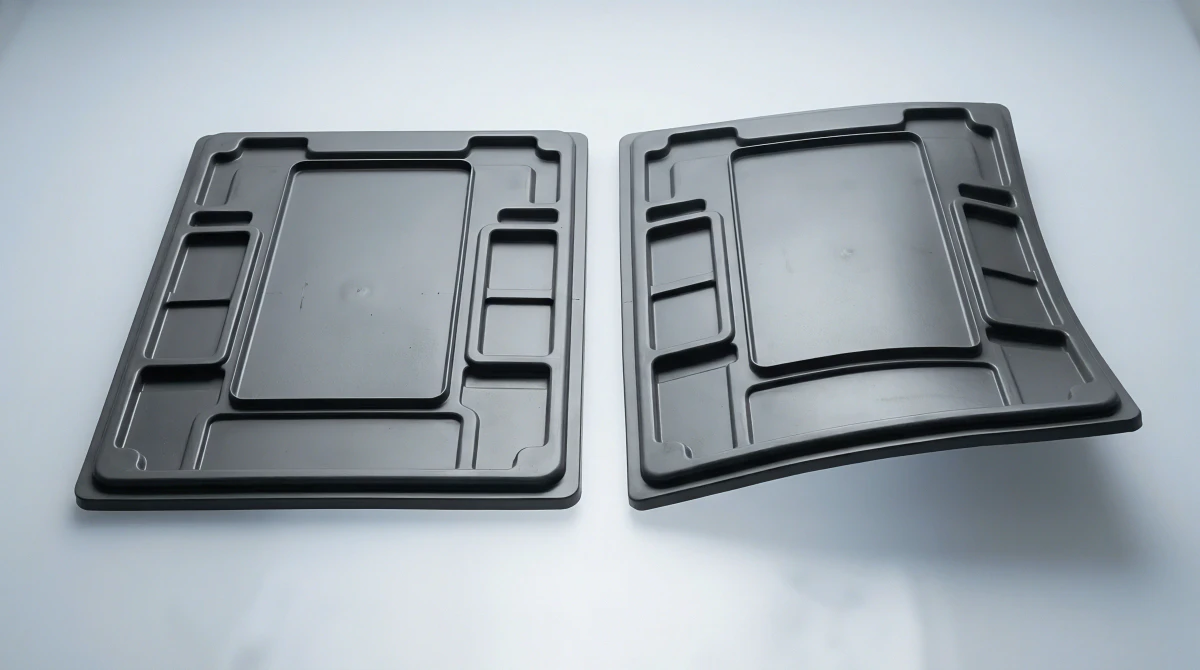
The first article replaces the printed shrinkage with a measured one. The master’s critical features are read first, at the temperature used for inspection. The copy is then cast in the production grade, given the sheet’s post-cure and brought to the same temperature. Loss is worked out feature by feature, and only drifting features are changed on the master. The record belongs to that grade, cure and mold.Feature Coverage
An error on a single dimension predicts little about the rest. The 2020 cover study saw one dimension grow and another shrink under identical settings. Every critical dimension is therefore read, along at least 2 directions. For mating parts, the master is measured as well as the cast part.Reading Conditions
A first article is read under stated conditions, or 2 labs will disagree about the same part. ISO 291 sets standard atmospheres for conditioning plastics before a test. A copy taken hot from a 100 °C (212 °F) post-cure has not yet settled. The record names the stage, the cooling time, the atmosphere, the instrument and whether the part was held in a fixture. Each pour’s color is compared under the reference light.Heat and Hardness Checks
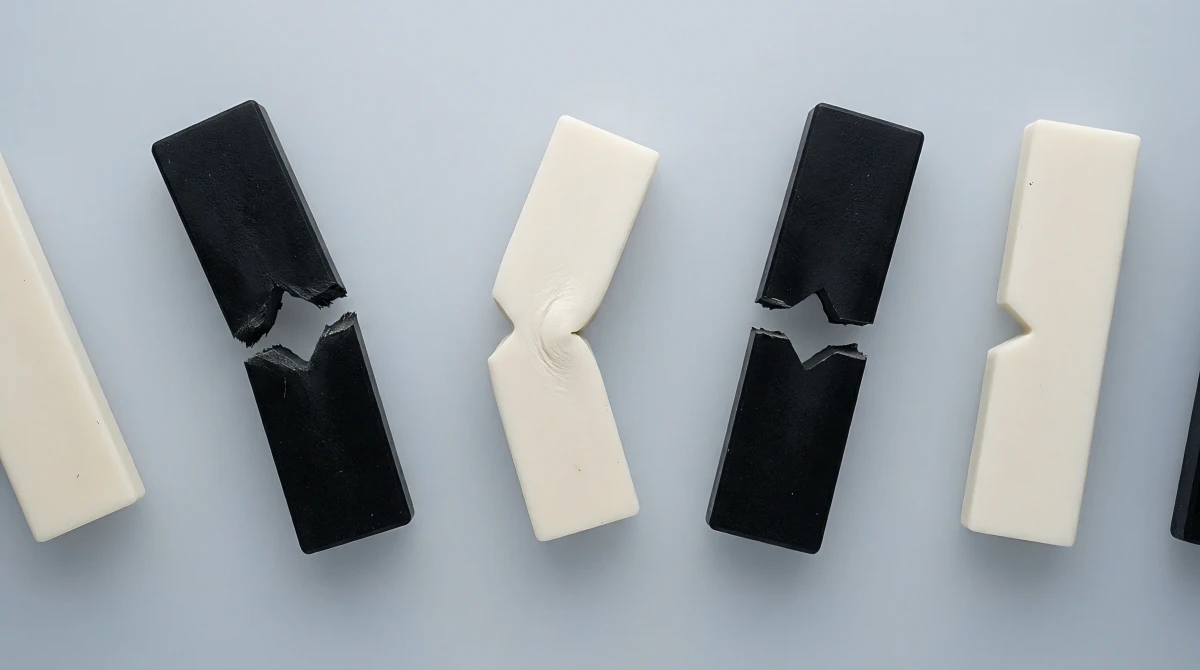
A first article also answers questions the sheets leave open. A heat soak at the service temperature, under the real load, shows whether the part holds its shape. Its record lists grade, cure, soak temperature and duration, the support used and the change measured. Hardness is read with the scale, standard, temperature and reading time noted, after the cure the sheet assumes.First and Last Copy Comparison
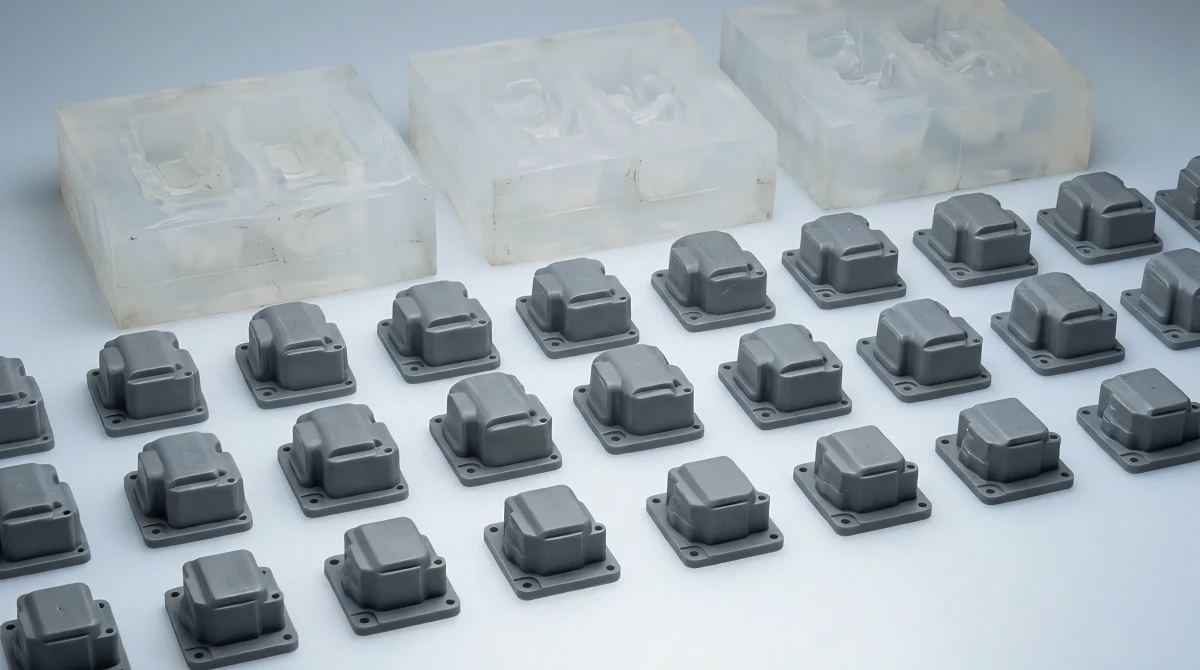
Keeping the first article and the last copy of each tool turns a copy count into a measurement. The same feature is read on each. Drift inside the drawing’s tolerance means the tool still had life left. If it moved more, the count that tool earned is the number of copies before the drift.Grade Confirmation
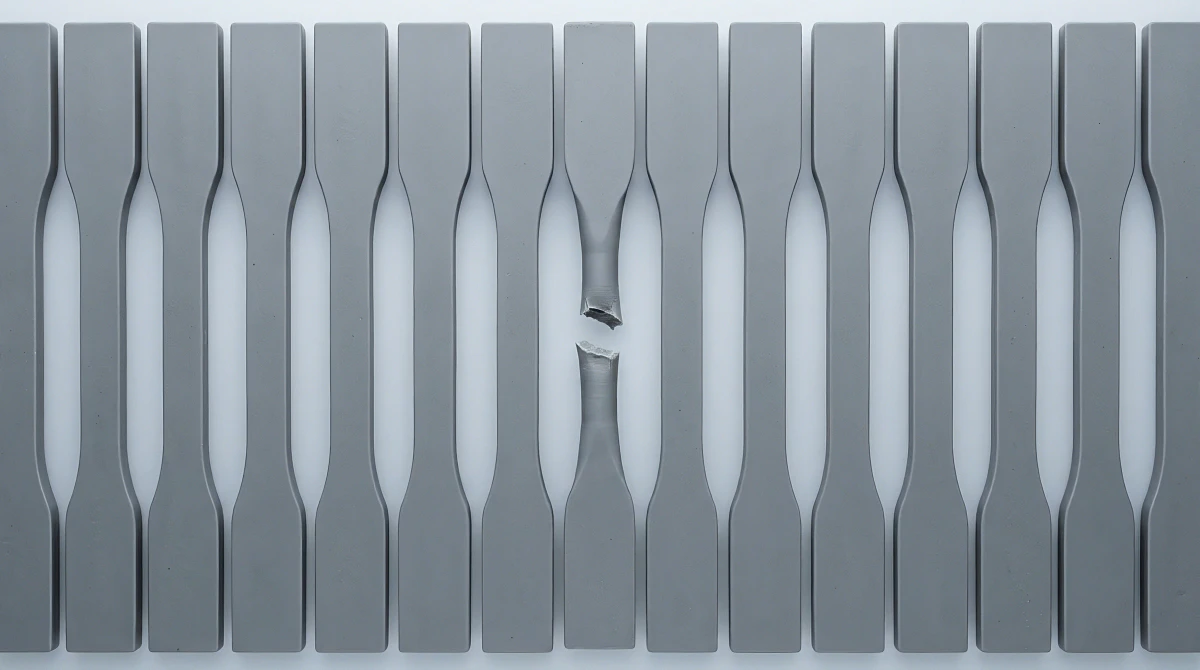
Comparing data sheets ranks grades well inside one maker’s range and poorly across makers. A first article cast in the chosen grade, post-cured as its sheet describes, settles the question faster. Some answers come only from the part. Long-term hardness near the heat deflection temperature is one such answer. It is worth running while the order is still on its first tool.Clear Part Fit
For a clear part that seats in a frame, the measured first article precedes the final master. The only clear grade with a printed shrinkage, PX522, does not say whether its bar was post-cured. A first article cast and post-cured as the run will be answers that question for the part.Hard Tool Transition
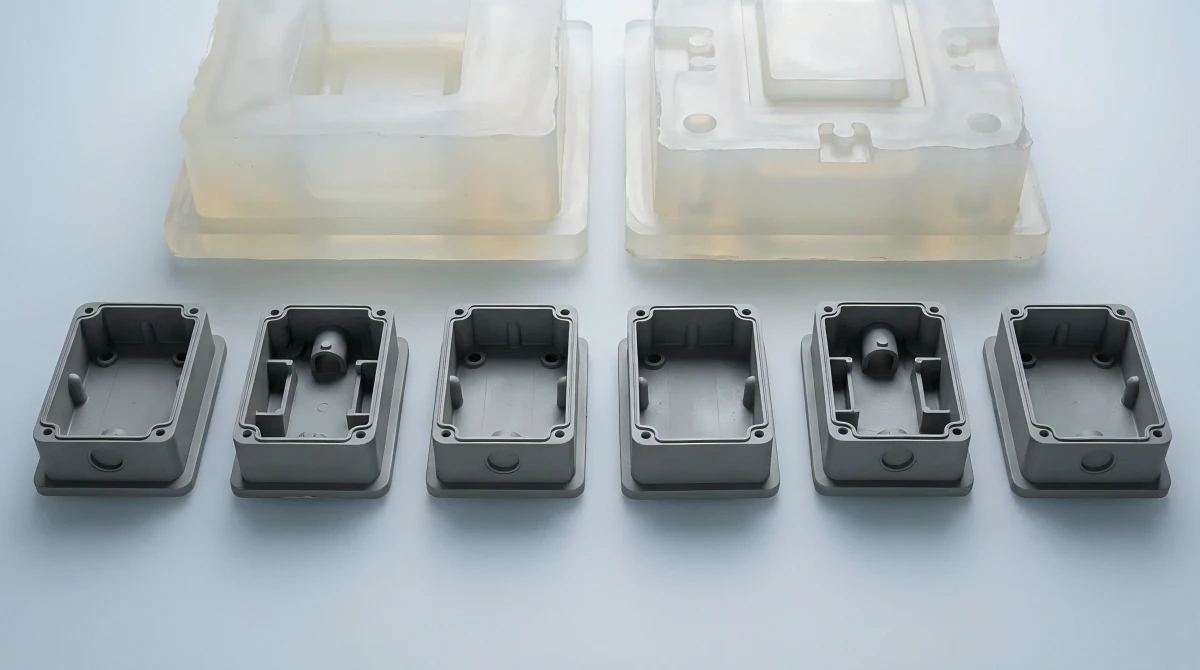
Approval of cast first articles does not transfer to an injection mold. First parts from the mold are first articles in the full sense, measured against the drawing. Every cavity of a multi-cavity tool needs its own, just as every silicone mold did. The cast parts serve as a visual and functional reference only.