Meaning
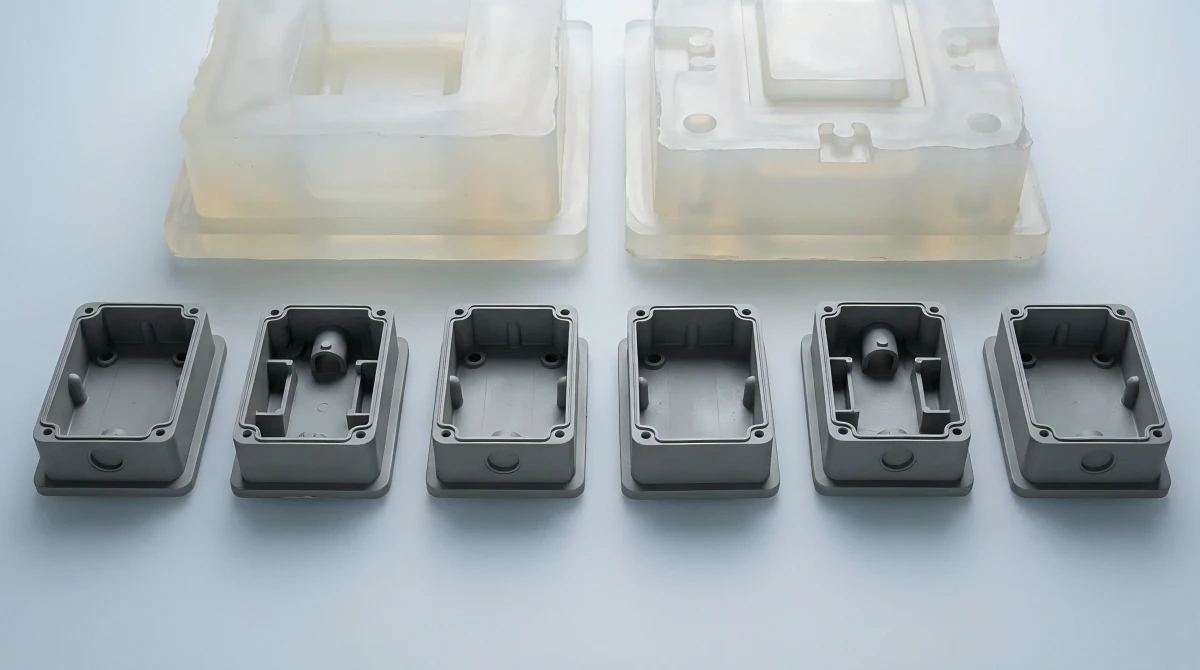
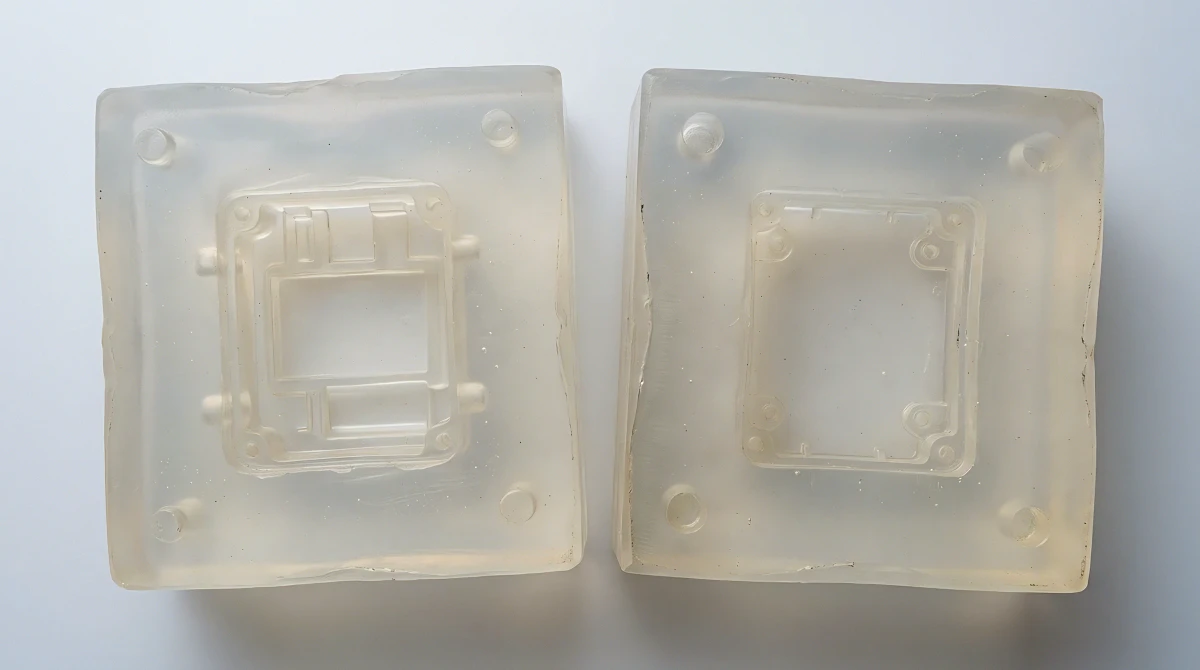
The oven is the heated cabinet that holds the filled silicone tool during the resin’s cure and later runs each grade’s post-cure. Every resin sheet in these resources asks for the tool at 70 °C (158 °F). The tool stays in the oven until the printed demold time has passed. After demolding, many Sika grades return to the oven for a schedule of their own.Tool Time
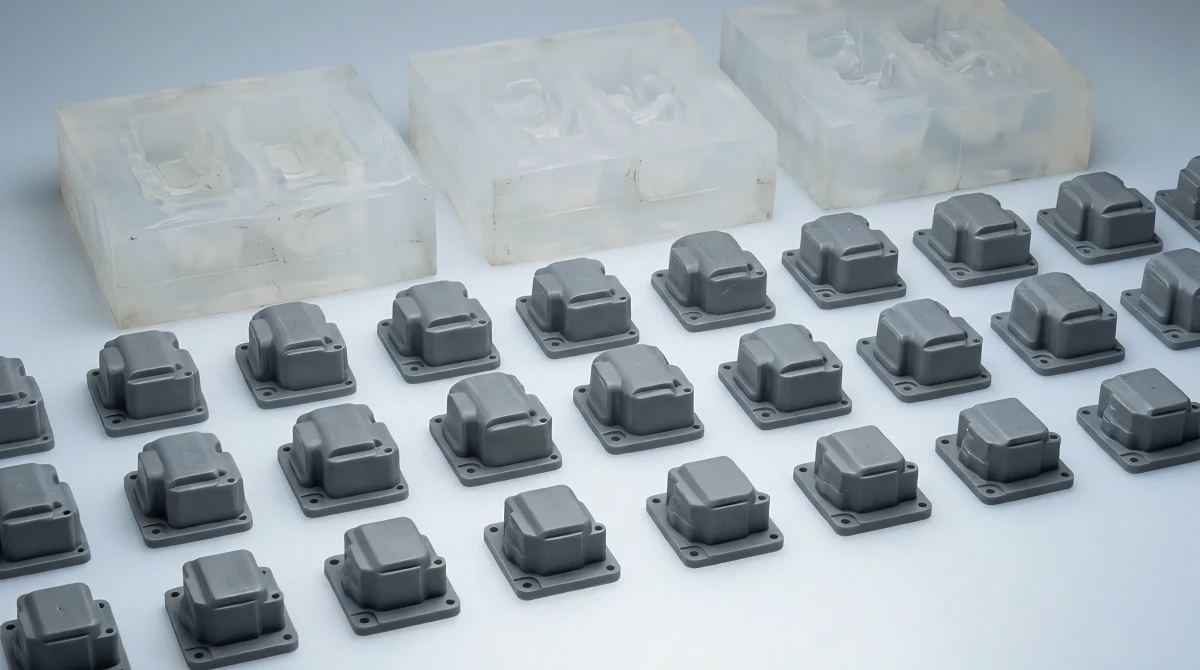
Each copy costs the tool one demold time in the oven. The printed times run from 25 minutes for Renishaw 6230 up to 3 hours for PX523 in walls under 5 mm (0.20 in). Over a run the hours add up. A run of 30 copies of 6230 gives the silicone 12.5 to 30 hours at 70 °C (158 °F). A run of 50 copies of PX523 in thin walls gives it 150 hours. Renishaw’s advice to demold as soon as the cure ends, for longer mold life, fits those sums.Read More
Oven Hours per Copy
Adding the soak in the tool to the post-cure on the sheet gives the oven time each copy needs. PX331 comes to about 18 hours a copy and PX 223 HT to about 15. Renishaw 6230 needs 0.5 to 1 hour and Renishaw 8263 about 1 hour, since neither lists a post-cure. These sums come from the sheets’ own figures, and the makers do not print them. A grade with no post-cure therefore fits a tight delivery date.Oven Load
Grades with long schedules are poured in groups so that each day fills one oven load. Mixing a clear part into a colored grade’s load exposes it to the longer schedule, so the loads are kept apart. On Sika grades, the batch’s final copy cannot be measured before the next morning. The day the oven is free belongs in the batch plan with the hours at each temperature.Schedule Effect
The in-mold cure and the post-cure set 2 different dates. A tool can take its next pour only once its copy is out, so the in-mold cure sets turnaround. The post-cure fixes the end of the batch, since every copy completes it before it ships. The first scales with the copies per tool, the second with the oven loads a batch needs.Time Limit
More oven time is not always harmless. Sika’s PX523 sheet sets 3 caps against yellowing. The limits read 7 days at 70 °C (158 °F), 48 hours at 80 °C (176 °F) and 16 hours at 100 °C (212 °F). An oven left running at 80 °C (176 °F) over a long weekend passes the second limit. A 2004 dissertation adds a warning for the silicone. A mold left with its resin in a 40 °C (104 °F) oven far beyond the cure may be damaged.Part Support
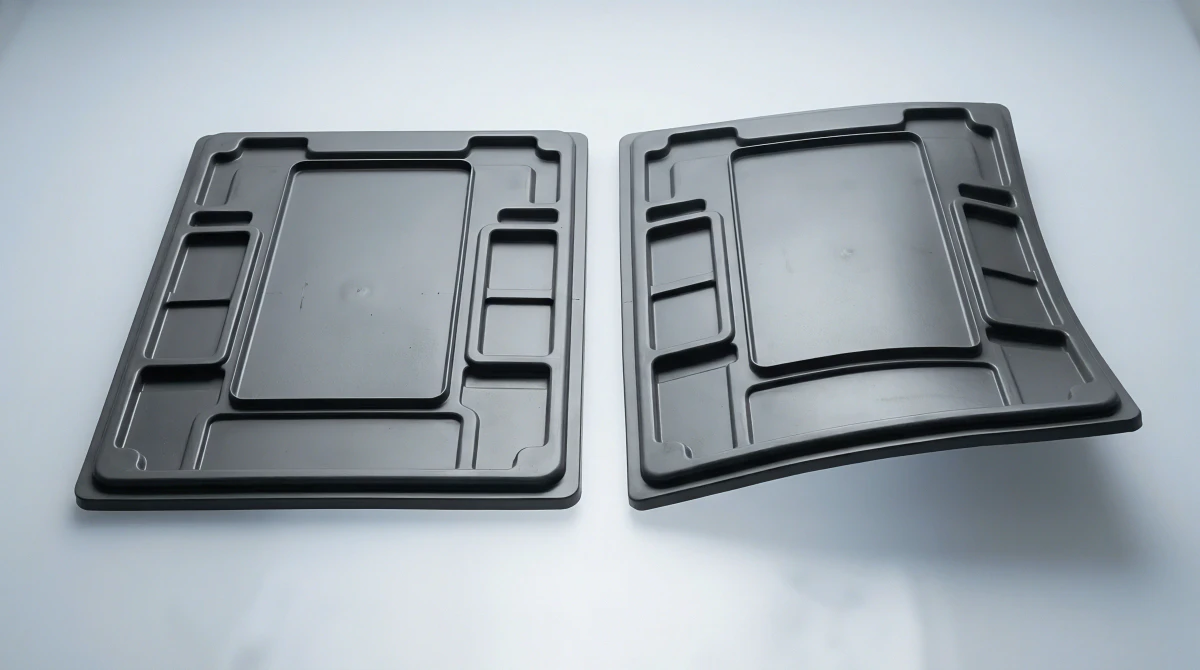
A part in a post-cure oven carries only its own weight. That load is small next to the 1.80 MPa (261 psi) of a heat deflection test, so the risk is slow sag or bow. Sika advises a conformer where the part’s shape and weight demand one. PX 223 HT’s sheet requires support in the oven so the part holds its form.Other Oven Uses
The oven also prepares the resin. Renishaw preheats its unopened cans at 70 °C (158 °F) for 2 hours, then holds them at 40 °C (104 °F) until use. Opened cans wait in the 40 °C (104 °F) oven with their caps on. UL 94 vertical tests condition their bars for 7 days in an oven at 70 °C (158 °F). The same post-cure oven can run a heat soak of a first article at its service temperature.Size Effect
A part measured as it leaves the oven reads larger than it will after cooling. Cooling from 70 °C to 20 °C (158 °F to 68 °F) is a drop of 50 °C (90 °F). On a 100 mm (3.94 in) feature it removes about 0.58 mm (0.023 in) on PX 223 HT. On Renishaw 6230 the same cooling removes about 0.40 mm (0.016 in). Both are sums from the printed expansion coefficients. A reading taken warm from the oven is therefore never compared with one taken after a night in the inspection room.