Meaning
Isocyanate is the reactive component of a two-part polyurethane, usually the A side, which reacts with the polyol to form the cured resin and, unwantedly, with water to form carbon dioxide.Moisture Reaction
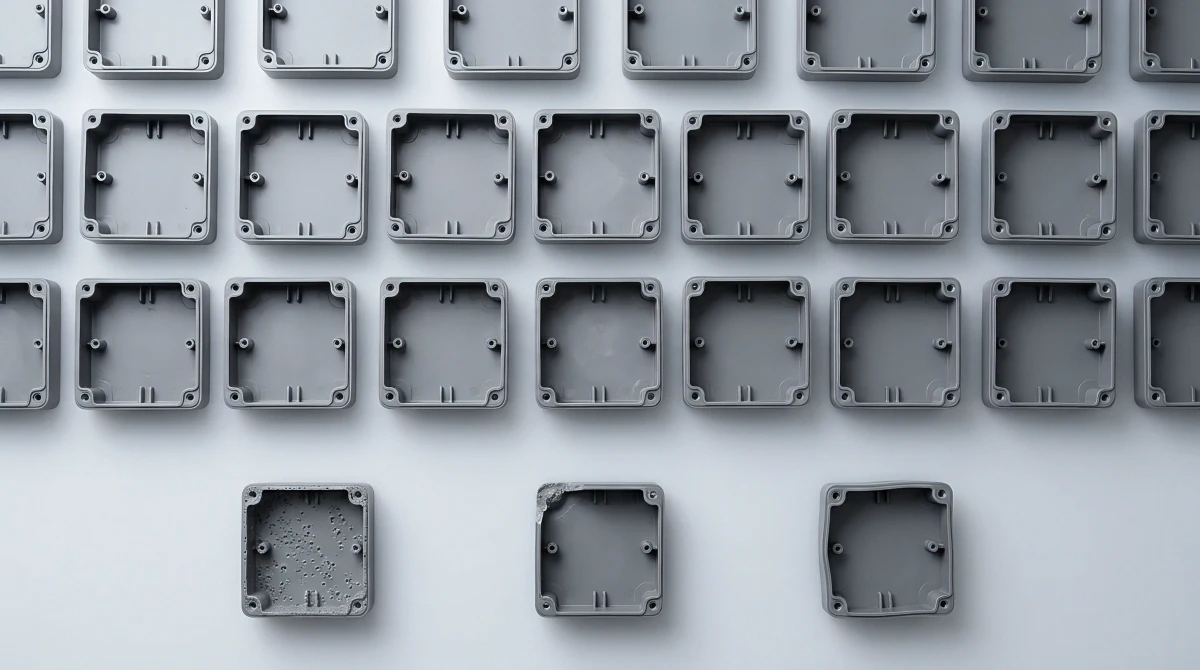
ResinLab explains that when isocyanate meets water, from the air or brought in with the polyol, it forms carbon dioxide and amines, and the gas leaves bubbles or foam. Moisture-contaminated isocyanate may look cloudy, hold solids at the bottom of the can or grow a solid layer on top, while a wet polyol usually looks normal. A nitrogen blanket over a part-used can is the standard protection.Read More
Shop Precautions
Loughborough’s guide reports excessive foaming with one resin in high humidity and recommends spraying dry nitrogen into containers before closing them, and Polytek asks for metal or plastic mixing tools, because paper or wood can carry moisture into the components.Isocyanate Type
Covestro contrasts TDI-based systems, not sensitive to moisture, easy to mix and not very critical in processing, with MDI-based systems, very sensitive to moisture and requiring efficient mixing and precise processing.Pigment Addition Point
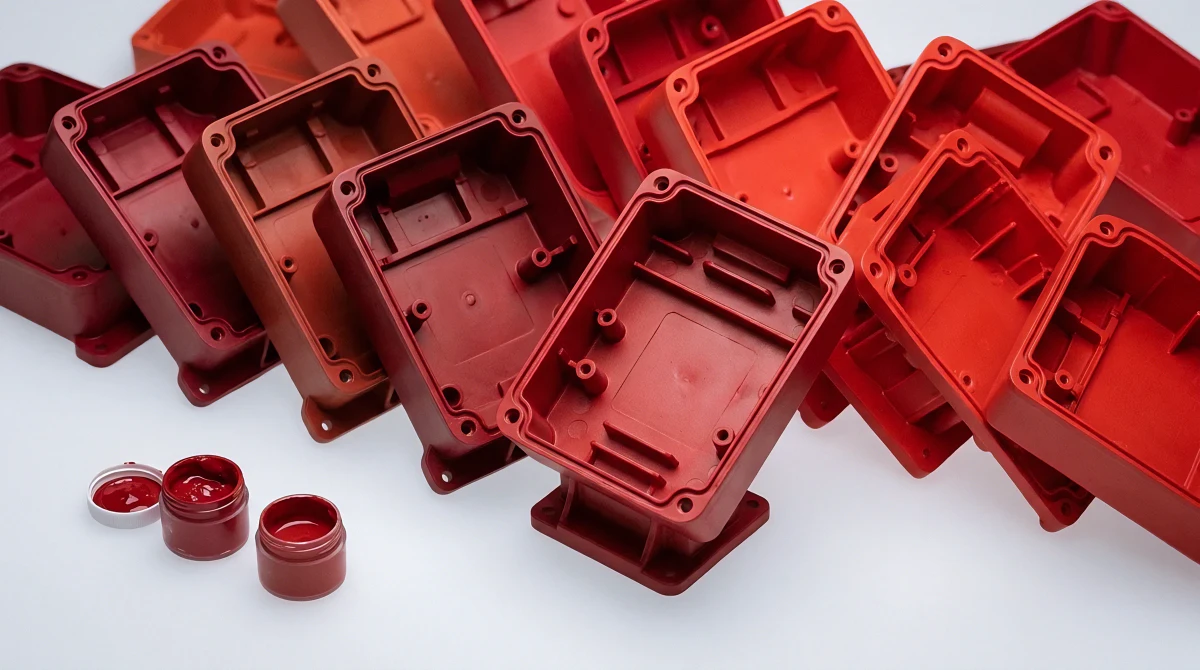
Where pigment goes into a two-part system is part of the recipe. Renishaw adds pigment to its A cup, Sika and Polytek to the B side, so the paste meets the isocyanate at different moments relative to the start of the pot life.Inserts and Coatings
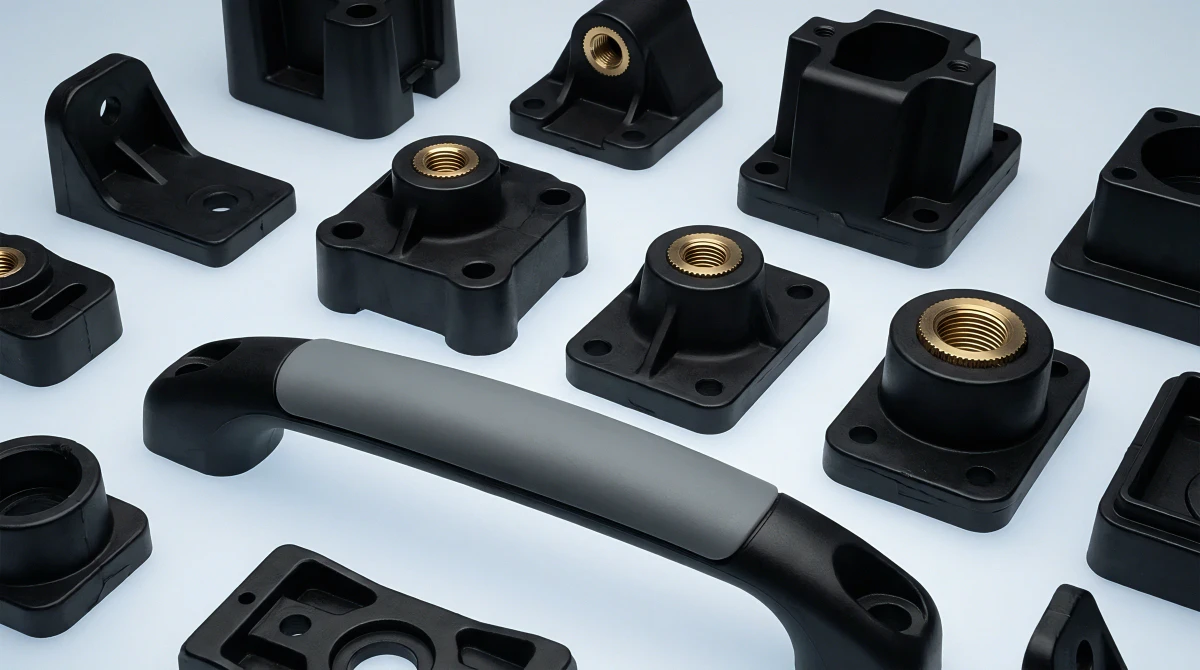
A wet or freshly wiped insert brings water to the isocyanate at its surface, which can leave a ring of bubbles around it. The same chemistry is why urethane coatings such as UreCoat are applied below 50 % relative humidity.