Meaning
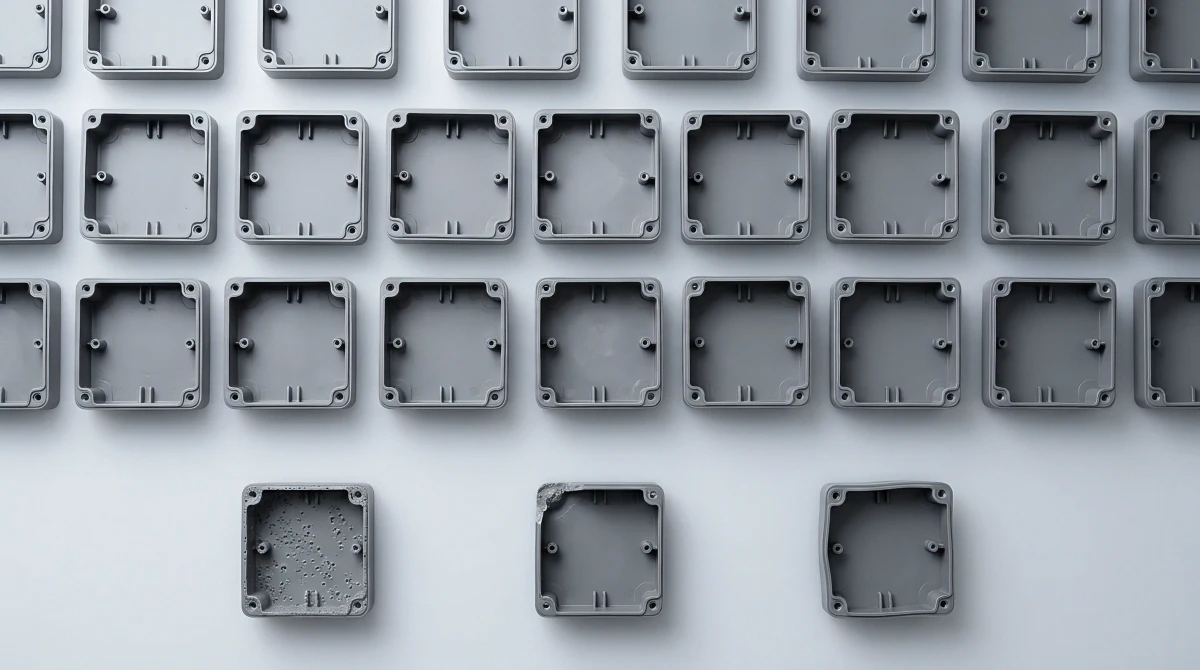
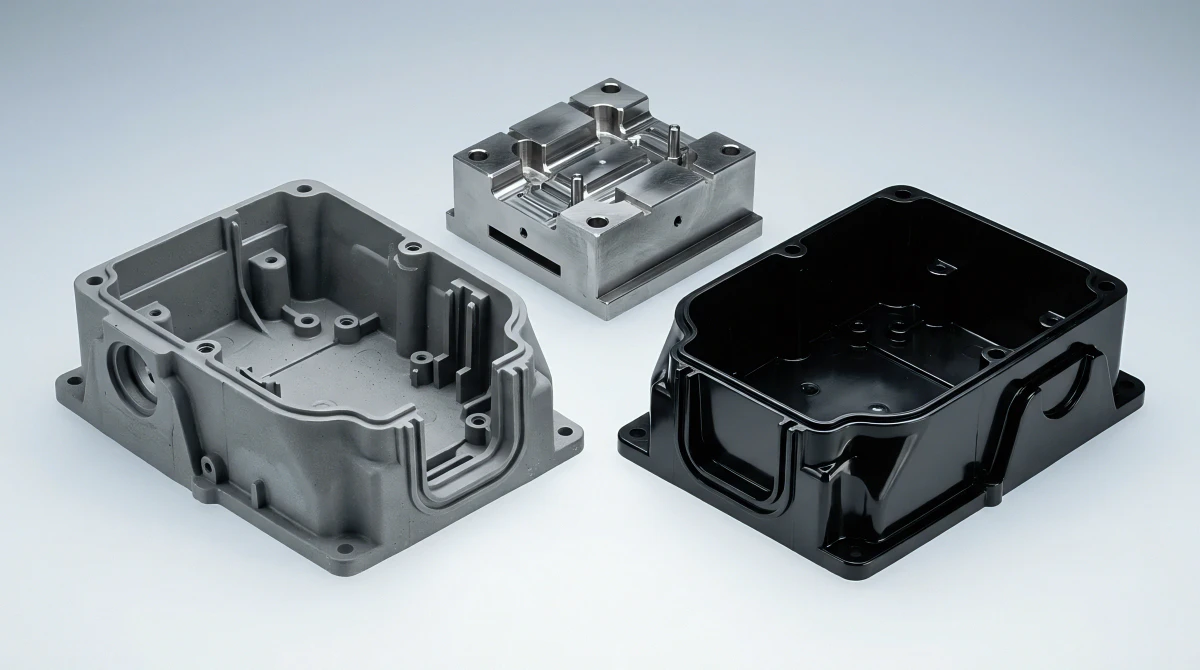
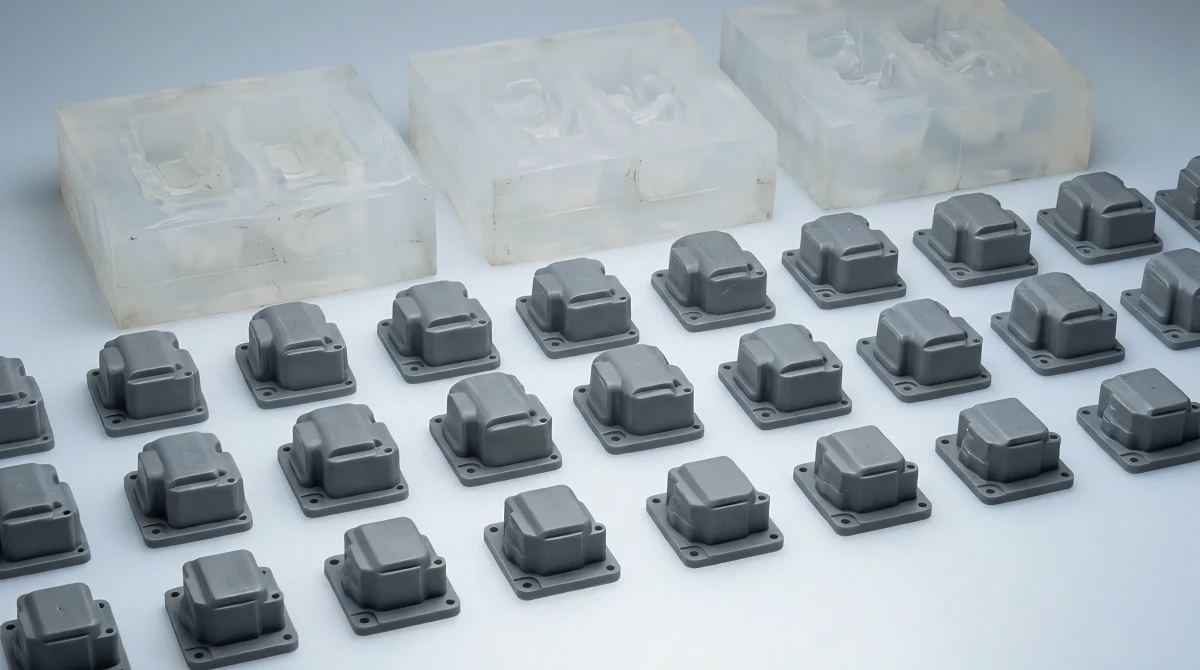
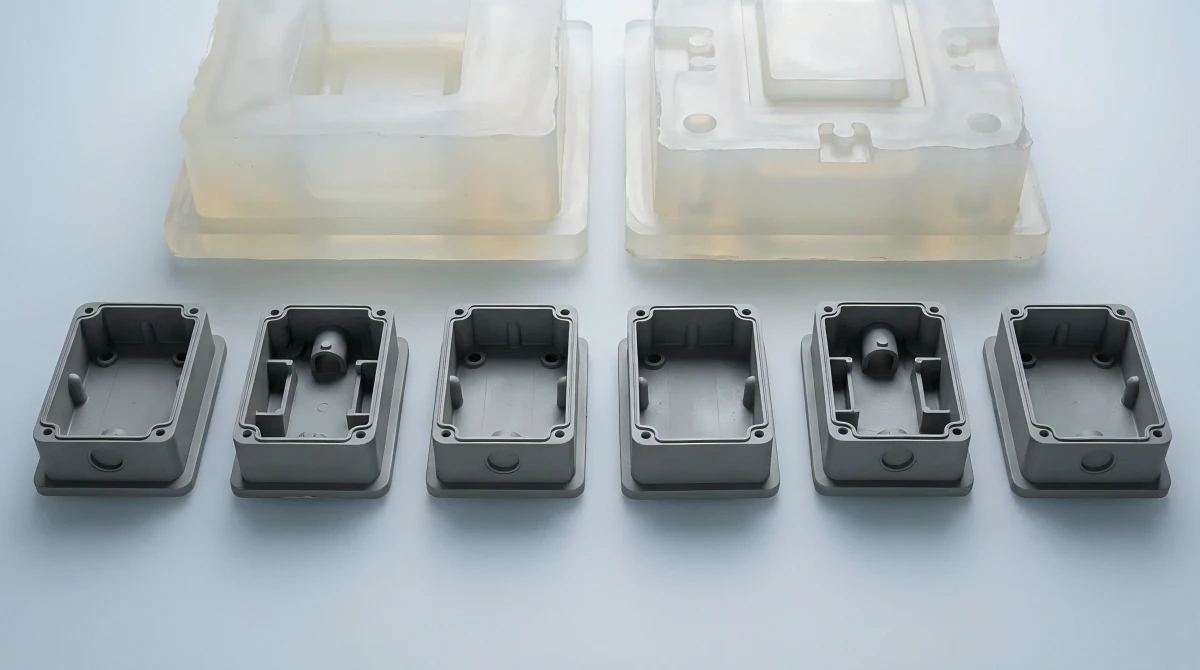
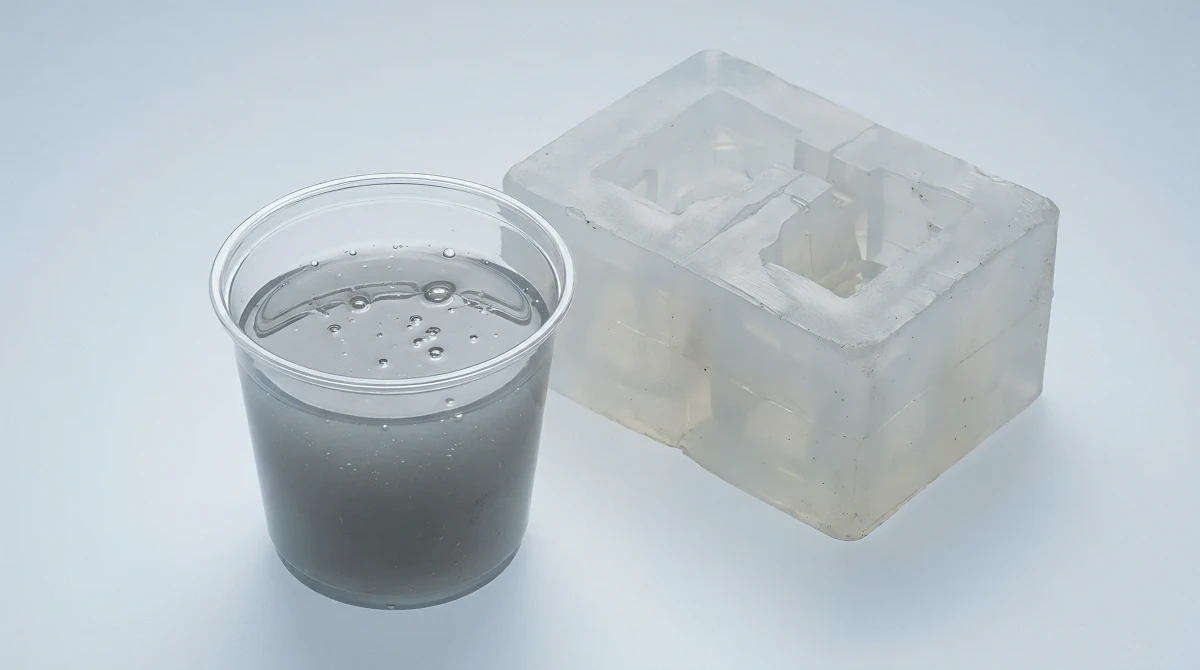
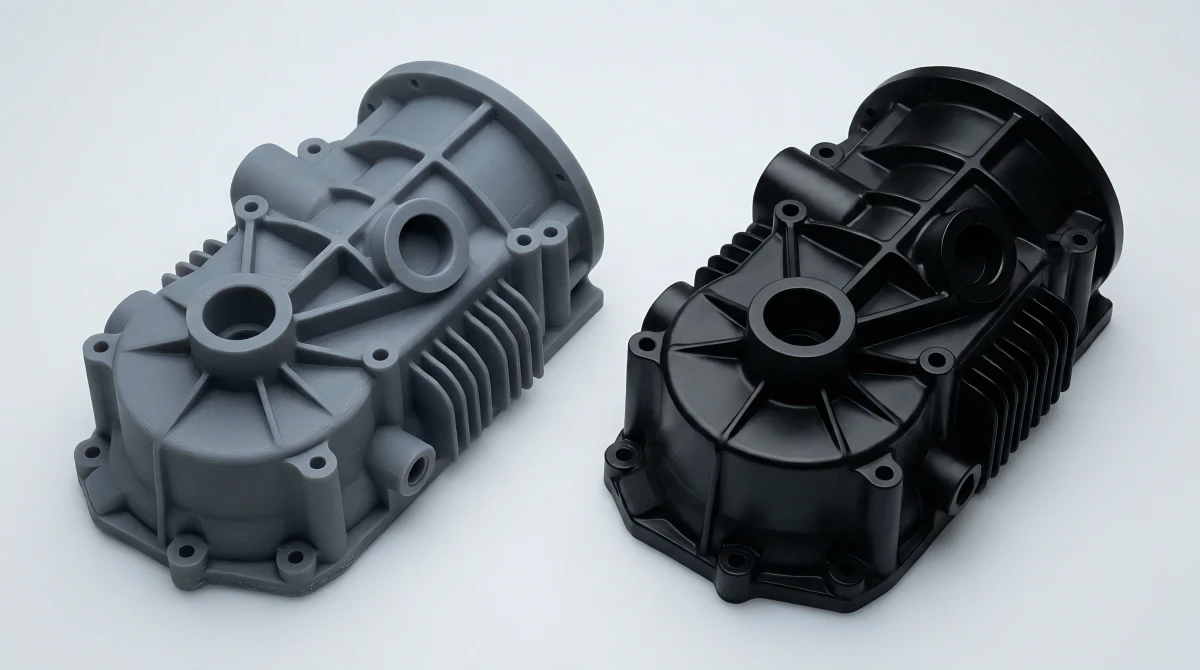
The cavity is the hollow left in a cured silicone block once the master is removed, the space the resin fills to form each copy. Its walls carry the master’s form and surface. Each silicone tool holds its own cavity, made fresh from the master. A pair of tools from one master is therefore a pair of cavities, close but not identical.Population per Tool
Copies from the third tool need not match those from the first. The silicone, its cure and the master’s position in the frame all differ slightly. A batch of 100 parts from 4 tools is 4 small populations of copies. Inspection runs within each tool, with a first article from each.Read More
Cavity Fill
Thin cavity sections fill only during the resin’s fluid window. The returning air, let into the chamber before the pot life ends, pushes resin into thin sections. Incomplete fill at a corner traces to late venting or a cool tool. How far resin travels in a thin passage is not stated on any sheet.Cavity Wall Faults
A void in the silicone against the master’s surface sits exactly where a copy takes its shape. It shows as a bump in the same place on every copy from that tool. Air trapped high in the cavity under a poor vent leaves a few large voids in the part. A patch test and a second degassing of the silicone protect the cavity before its first pour.Cavity Size
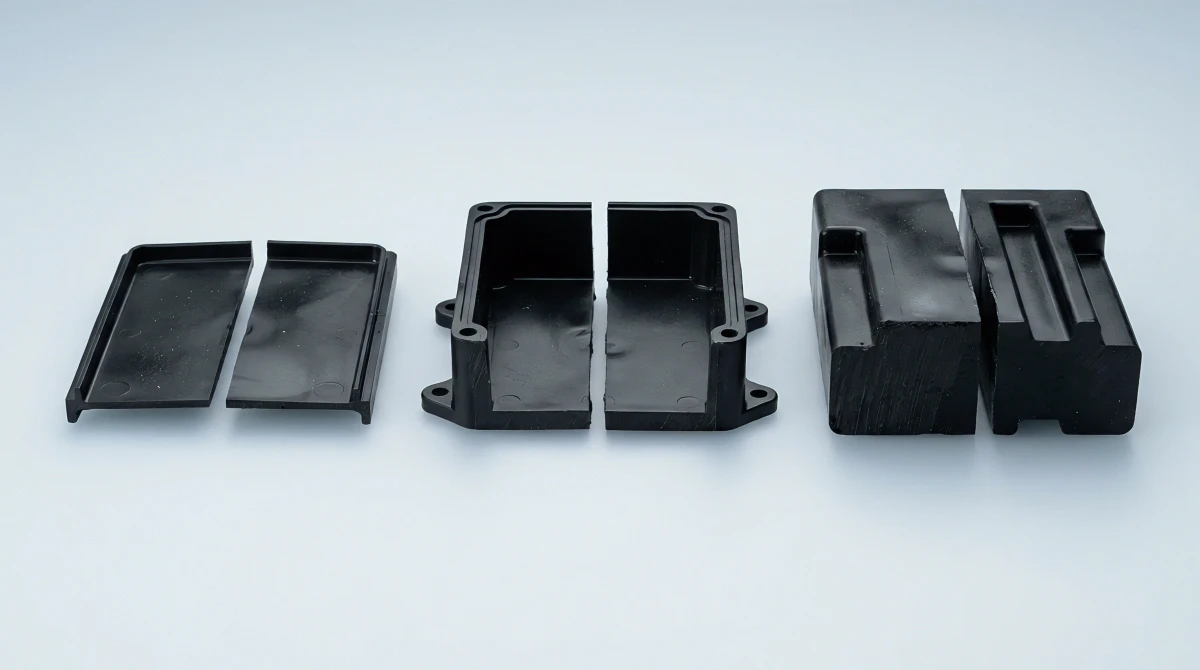
The cavity sets the size the resin shrinks from. Linear shrinkage is the loss in length between the cavity and the cured part. Features formed around a core are held by it, while outer faces shrink unhindered.Cavity Surface
The cavity copies the master’s surface into every part, and its own condition adds to it. A soft silicone gives visible parting lines at the cavity’s split, as a 2004 dissertation found. Excess release agent on the cavity wall spoils finish and strength. A thin cloud of release agent, dried before the tool is closed, is the dissertation’s advice.Multiple Cavities
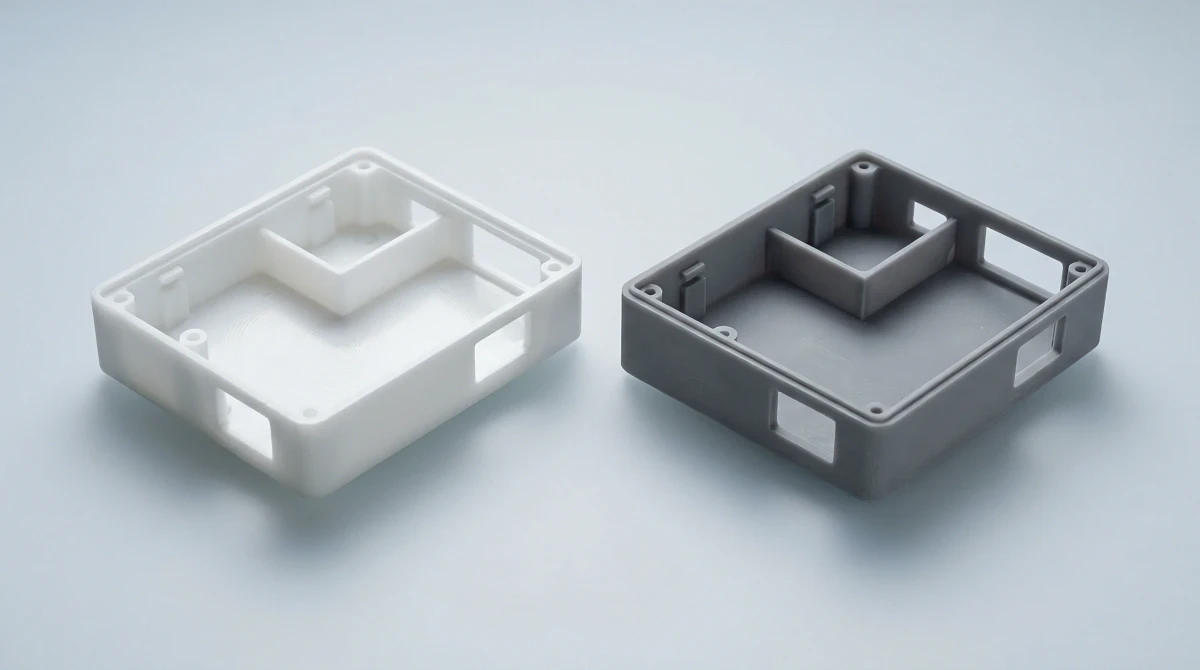
A small part is sometimes cast in a tool of several cavities. A minimum shot weight of 150 g (5.3 oz) on Renishaw 8020-2 is far more than a thin gasket needs. A tiny part cast with a larger batch uses the extra in a second cavity. A multi-cavity injection mold likewise needs one first article per cavity.