Pigment

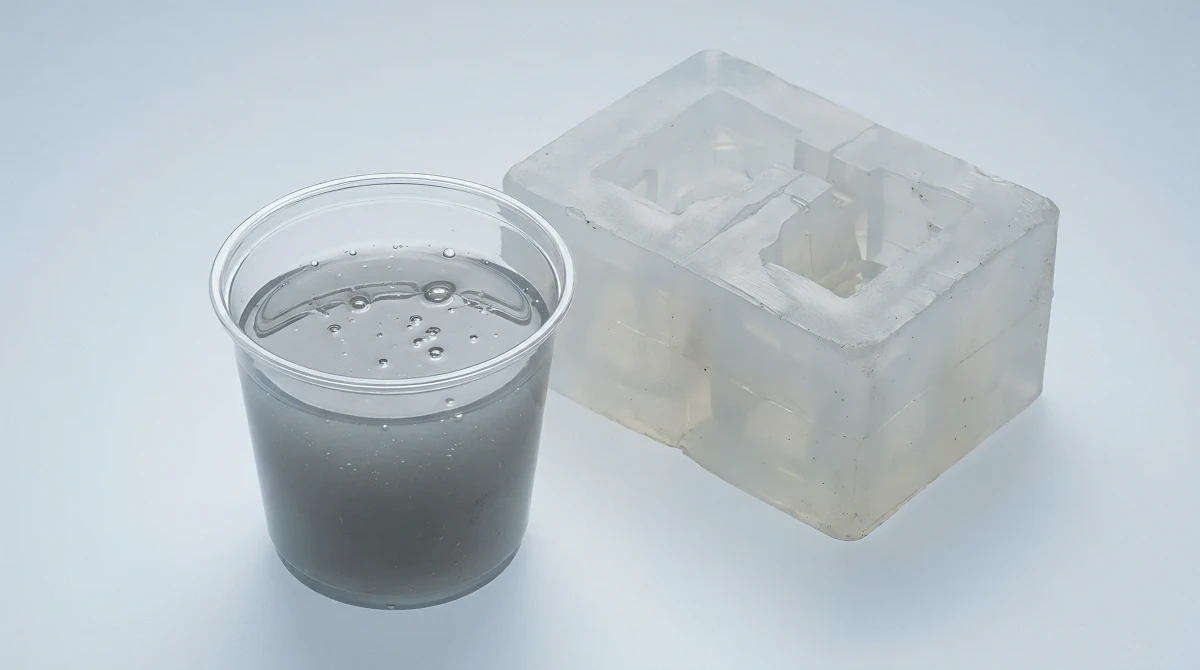
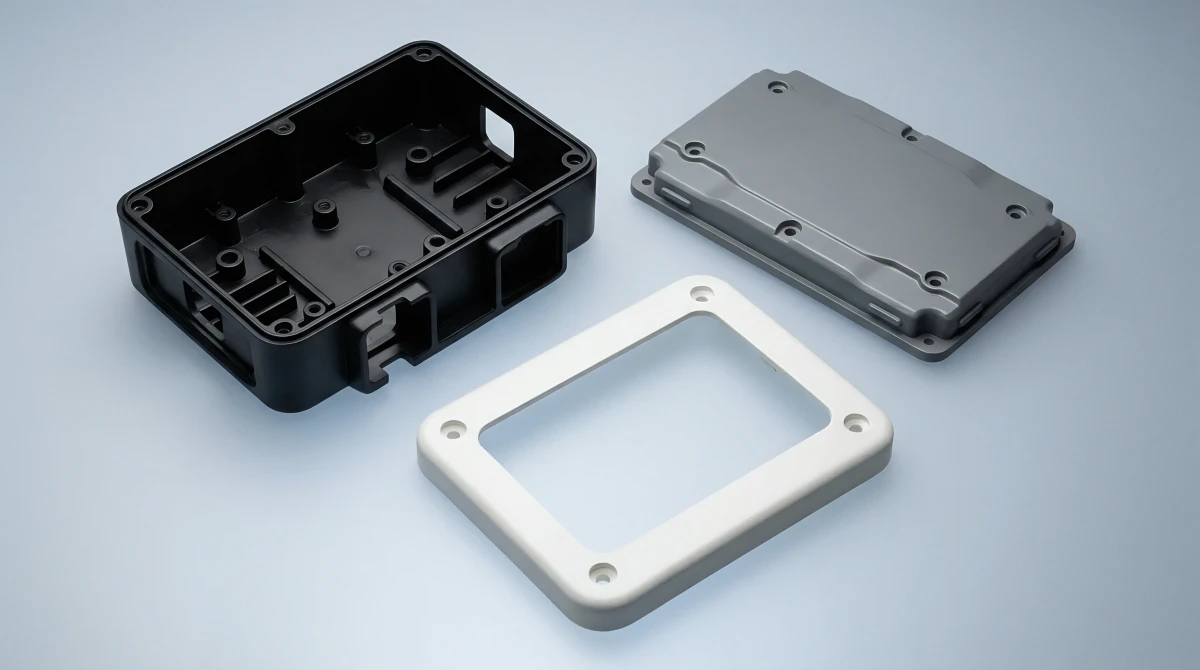
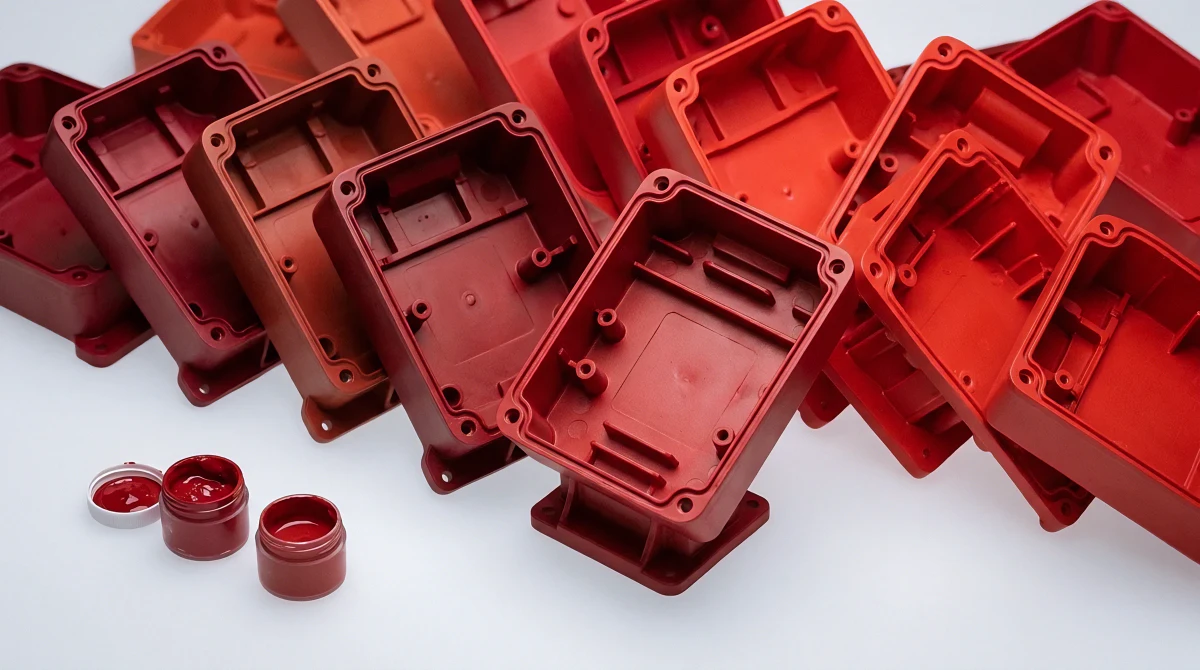
A pigment is the color paste or colorant weighed into a casting resin before mixing so that the cured part takes a set color.

Every Pigment article of the Vacuum Casting Resources, newest first, each written from published standards, research and makers’ data.

Meaning

A pigment is the color paste or colorant weighed into a casting resin before mixing so that the cured part takes a set color. Each resin maker caps how much may be added and says where it goes. A pigment changes more than the look of a part. It can bring moisture into the mix and change how a rated bar compares with the delivered part.

Loading Limits

Renishaw allows no more than 2 % of total weight in colorant for 6230 and 8263. For the rubber-like 8020-2 the limit is 1 %. The colorant goes into the A component before mixing. Sika’s dose is 1 %, stirred into the polyol, for PX331 and the clear grades. Sika names its own CP color pastes, tested with these resins.
Read More

Moisture From Pigment

The PX331 sheet requires dry pigment. Water meeting isocyanate forms carbon dioxide, which shows as fine bubbles through the cured part. A wet pigment therefore belongs on the same list as an open can. A scatter of fine bubbles leads back to the can history, the caps and the pigment’s dryness.

Tinted Parts

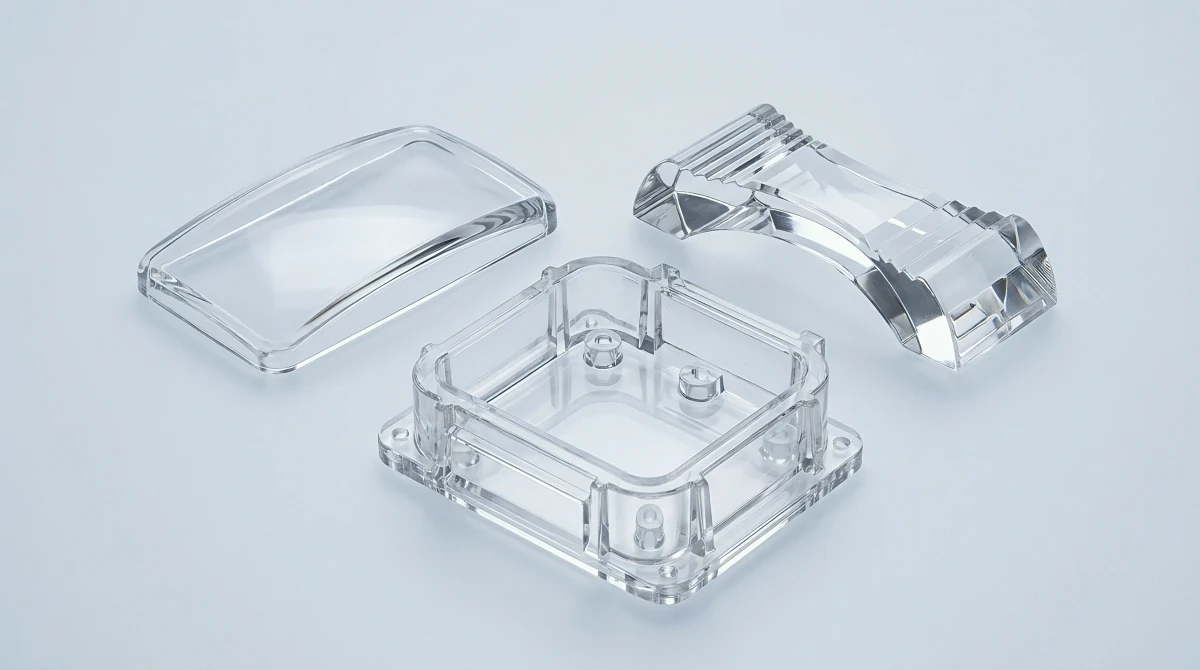
A tinted clear part, such as an amber lens, takes the 1 % pigment line on the clear grades’ sheets. Water-clear parts are cast without colorant. Omitting it simplifies the mix and removes a moisture risk.

Flame Rating Effect

ASTM D635 lists pigments among the factors that change burning results, with density and thickness. A flame rating therefore holds for the pigment condition of the rated bar. Neither flame-rated sheet on file states whether its bar was natural or pigmented. A quote that names the pigment loading, or says the sheet does not state it, closes that gap.

Pour-by-Pour Weighing

Every color is a separate pour with its own weighed pigment. Renishaw’s typical yield per mold assumes the copies match in color. An order split into 3 colors needs 3 separate sets of pours and tools. A color check under the reference light on parts from each pour belongs in the inspection plan.

Color Matching a Vacuum Cast Batch to a RAL or Pantone Reference

A vacuum cast color is fixed as a weighed recipe on an approved first article, measured with an agreed formula and tolerance, and repeated for every pour.

How a Vacuum Cast Batch Is Matched to a RAL or Pantone ColorA vacuum cast batch is matched to a reference by pigmenting each pour with a paste dosed within the resin maker's limit, casting a first part, measuring it against the reference under agreed conditions, adjusting the recipe, and then holding that recipe for every pour, with parts checked against the approved first article. Renishaw describes the casting system as producing typically 30 to 50 color-matched parts from a single mold, which is the batch size the recipe has to stay steady over.
PP-Like and PE-Like Polyurethane Casting Resins for Vacuum Casting

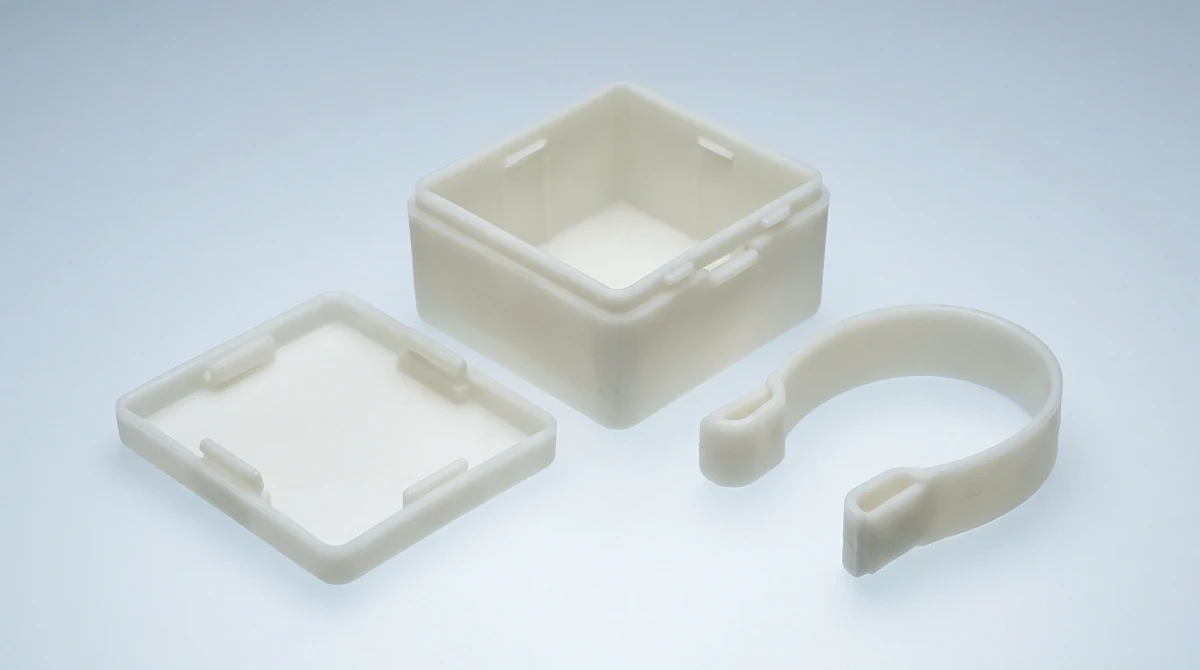
PP-like and PE-like urethanes trade stiffness for elongation by grade, and their heat figures depend on cure, so the first cast part is tested in its real duty.

What PP-Like and PE-Like Mean on a Casting Resin Data SheetA PP-like or PE-like grade is a two- or three-component polyurethane formulated so that a part cast in a silicone mold behaves, in hand and in a snap fit, more like polypropylene or polyethylene than like a stiff ABS replica. The makers say so in their own words.

Silicone Molds, Pours and Lead Time for a Vacuum Cast Batch

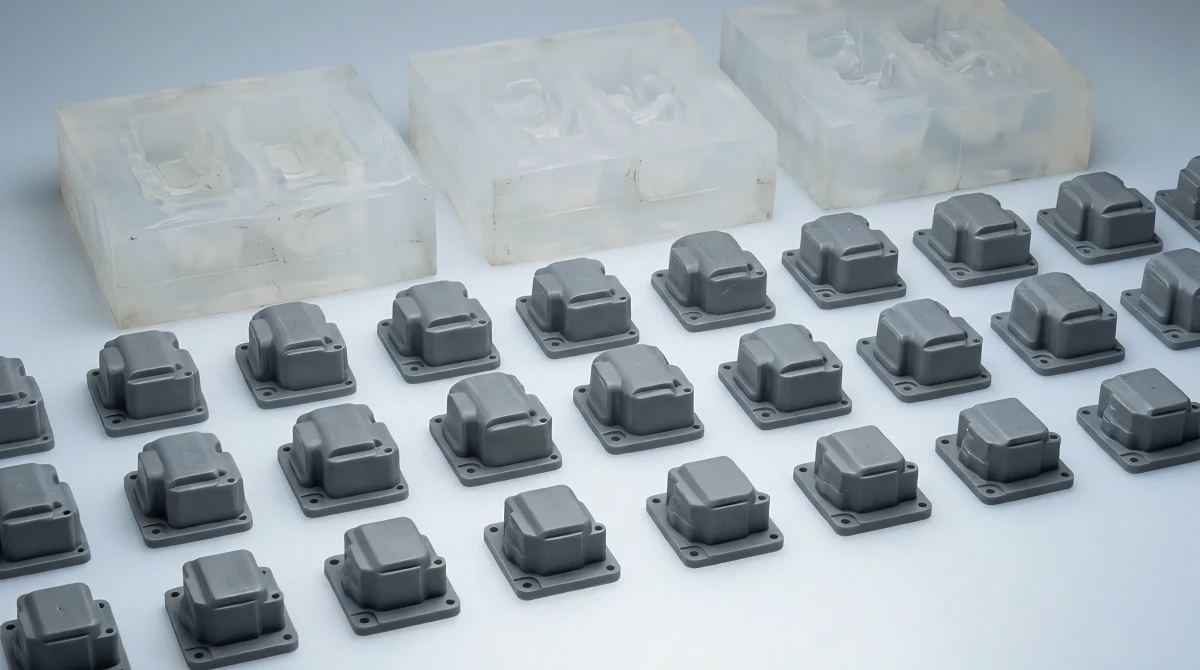
A batch needs one silicone mold per set of copies, per resin and per color, and pours run one at a time through the chamber.

How Many Silicone Molds a Vacuum Cast Batch NeedsThe tool count is the quantity divided by the copies one tool gives, rounded up. Renishaw states that a mold can produce up to 50 parts before retooling and typically between 30 and 50 colour matched parts.

Degassing Silicone and Resin in Vacuum Casting

Each resin component is evacuated alone for about ten minutes, the silicone twice, and the air returns before the pot life ends.

Why Silicone and Resin Are Degassed Under VacuumMixing puts air into any liquid. Stirring two viscous components together folds the surface into the bulk, and a general guide from the mold supplier ArtMolds puts the air picked up by mixing at 5 % to 20 % of the volume, calling it the primary cause of bubbles in cast parts.

Clear Polyurethane Casting Resin for Vacuum Casting

A clear polyurethane grade is chosen by section thickness first, and its post-cure has a printed ceiling that protects the color of the part.

How Clear a Casting Resin Is in Datasheet NumbersOn a datasheet, clear is a claim with two numbers behind it at most. PX522 is described as water clear, with a coefficient of light transmission of 89 percent measured by the laboratory LNE, and PX523 prints a refractive index of 1.511.

ABS-Like Polyurethane Casting Resins for Vacuum Casting

An ABS-like polyurethane resin is a stiff thermoset named for its use, and its datasheet numbers depend on post-cure, thickness and test method.

Why a Polyurethane Resin Is Called ABS-LikeThe phrase is a maker's shorthand, not a standard. Sika describes its SikaBiresin PX331 as having mechanical properties similar to thermoplastics like filled ABS, and Renishaw lists its 6230 as having properties similar to ABS.

Send the Drawing of Your Cast Part

Send the 2D drawing and the 3D file, with the quantity and the stage of the project. An engineer replies within 1 working day.

The quote form, the mutual NDA and the private folder for your files are on Protolis Atelier, with Vacuum Casting chosen.

Request a Quote