Meaning
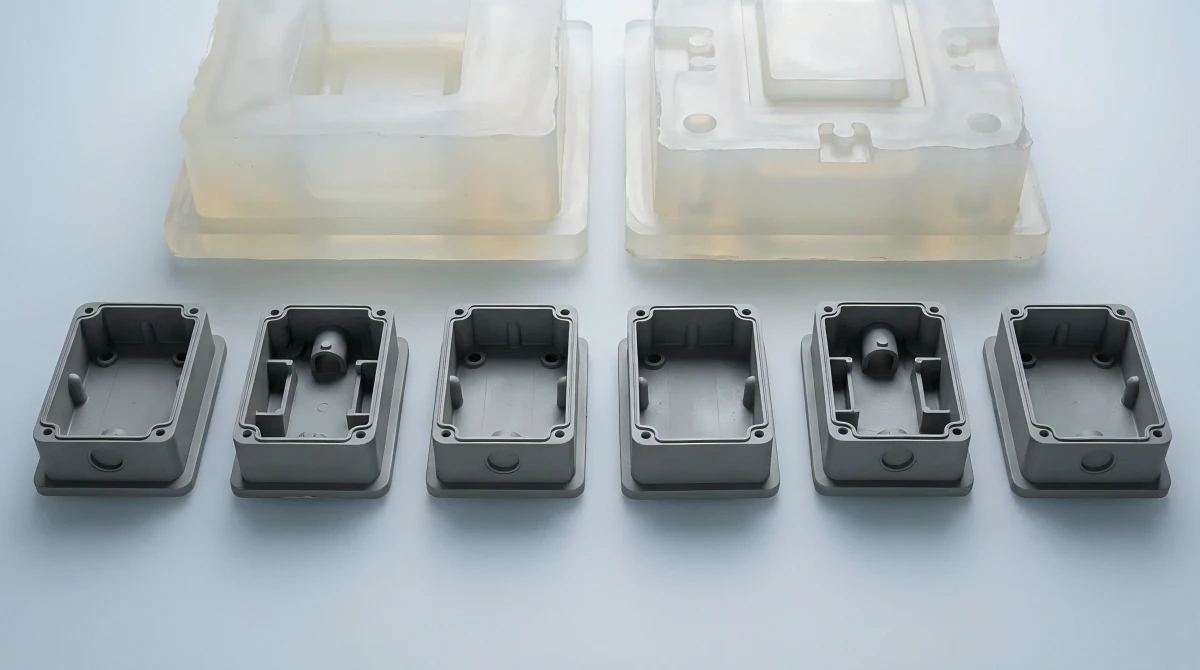
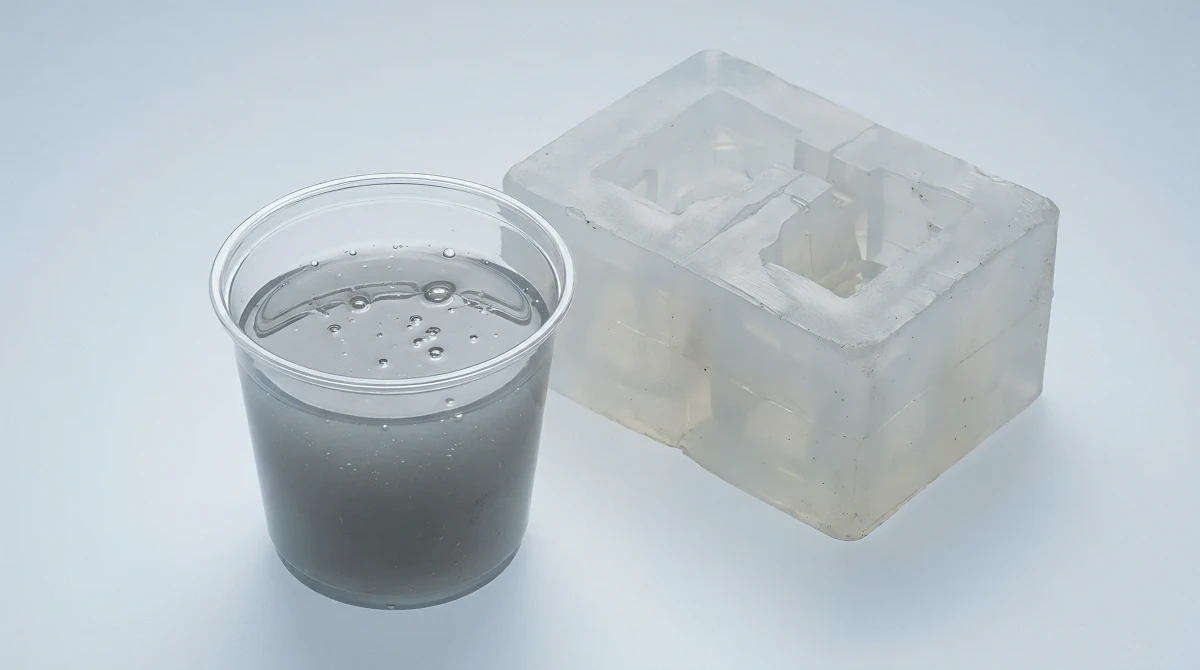
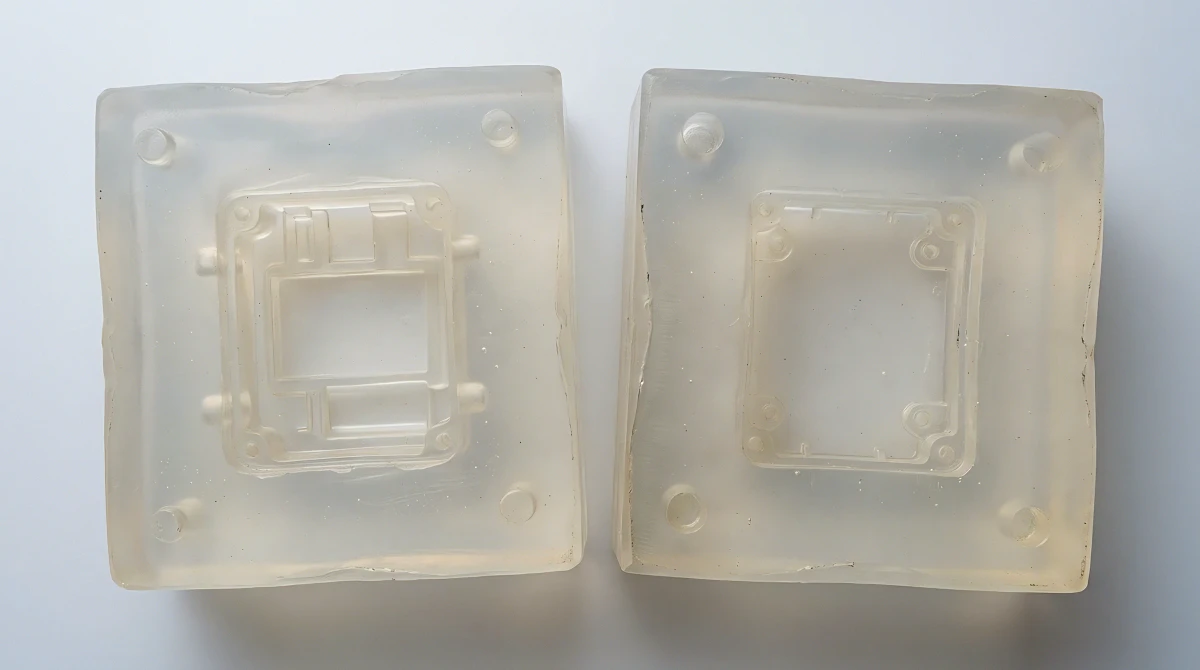
Mold temperature is the temperature of the silicone tool when resin is poured into it and while the resin cures inside. The resin sheets read here all set it at 70 °C (158 °F). Sika’s PX 223 HT sheet states it as a floor, a mold preheated to 70 °C (158 °F) at minimum. The tool reaches that temperature in the oven before the pour and stays there until the demold time has passed.Effect on Dimensions
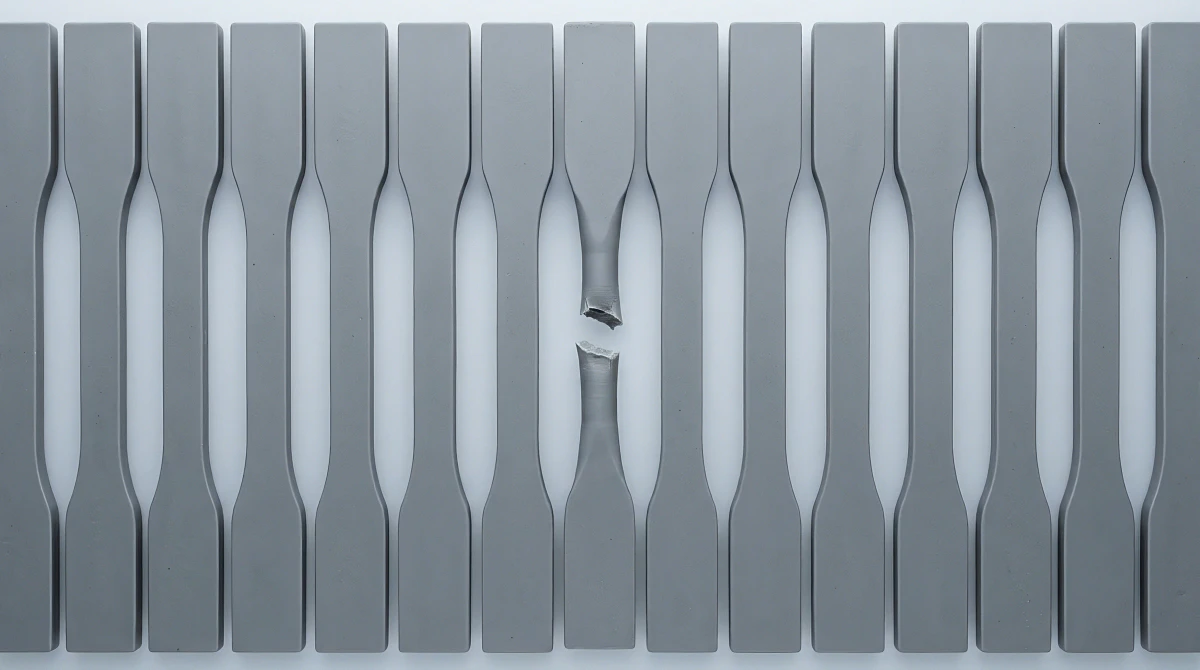
A 2004 dissertation cast specimens with the mold at 30 °C, 50 °C and 70 °C (86 °F, 122 °F and 158 °F). Between 30 °C and 50 °C (86 °F and 122 °F), shrinkage did not change. Past roughly 50 °C (122 °F) it shifted, with lengths mostly shrinking less. With the mold at 70 °C (158 °F), the diameters showed a steady increase in shrinkage. Some series showed no clear trend at all.Read More
Preheat and Expansion
A 2020 study preheated its molds to 65 °C (149 °F), below the 70 °C (158 °F) of the resin sheets. It gave compensation for mold shrinkage as the reason. The authors attributed the growth of one dimension of the copies to the mold expanding at longer preheat times. Preheating time drove 65.77 % of the variation in the other dimension.Stability
Read together, these sources make mold temperature a quiet variable with a threshold near 50 °C (122 °F) in one test. Holding it steady matters more than any particular value. A constant 70 °C (158 °F) across a run keeps copies from drifting on this account. Renishaw’s sheets add that the exact resin and mold temperatures are important.Cold Tool Faults
A short, unfilled corner on a copy has 2 usual causes. The resin thickened before the air returned to the chamber, or the tool was cold. The check for the second is the tool at 70 °C (158 °F) at every pour.Silicone Exposure
The silicone tool spends each demold time at 70 °C (158 °F), and those hours accumulate over a run. Demolding promptly limits them. The heat deflection of PX205, 55 °C (131 °F), sits below the mold temperature. The part therefore leaves the tool above its own deflection point and is handled with support.