Release Agent

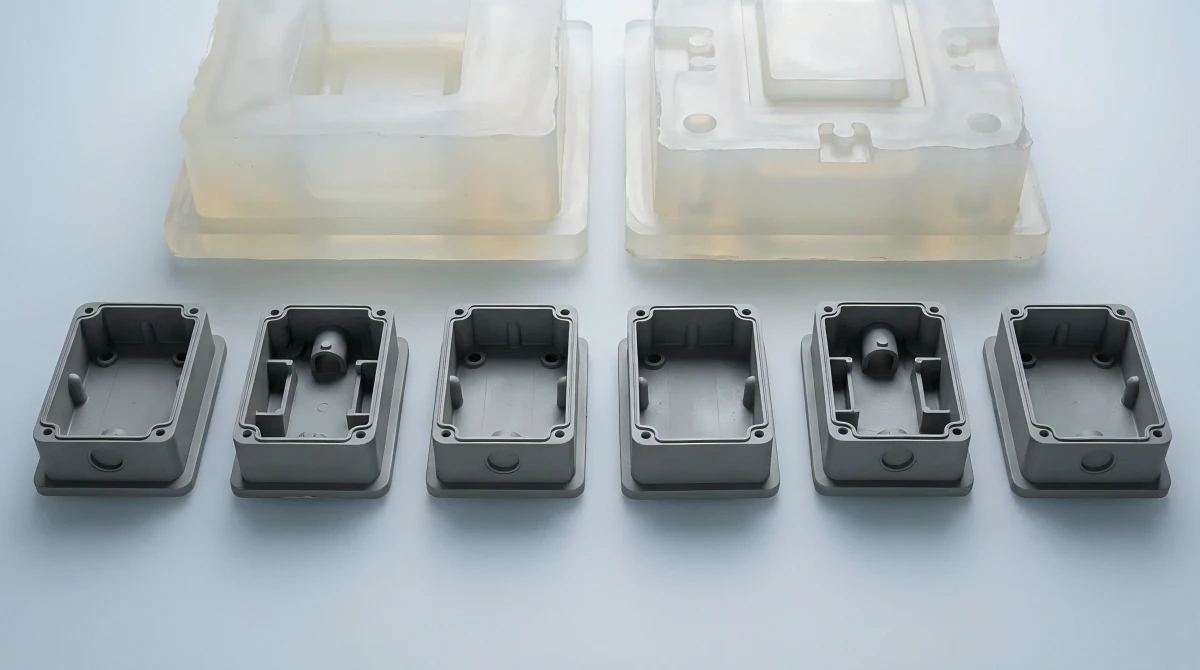
A release agent is a thin coating on a silicone tool that lets a cast part, or a second silicone pour, come away cleanly.

Every Release Agent article of the Vacuum Casting Resources, newest first, each written from published standards, research and makers’ data.

Meaning

A release agent is a thin coating on a silicone tool that lets a cast part, or a second silicone pour, come away cleanly. Renishaw’s resin sheets tie the right release agent to a longer mold life. Too much of it harms the part. Resin, silicone and release agent are proven as one combination.

Mold Life Effect

Renishaw’s sheets for 6230, 8263 and 8020-2 state that mold life increases with the correct Renishaw release agent. Demolding the casting immediately after curing increases it too. The sheets point to Renishaw’s own release agent as the correct one for its resins. Both appear in the list of factors that move a tool’s copy count upward. A part sticking in the tool, with a torn feature or a torn silicone edge, points to the release agent as applied.
Read More

Application Amount

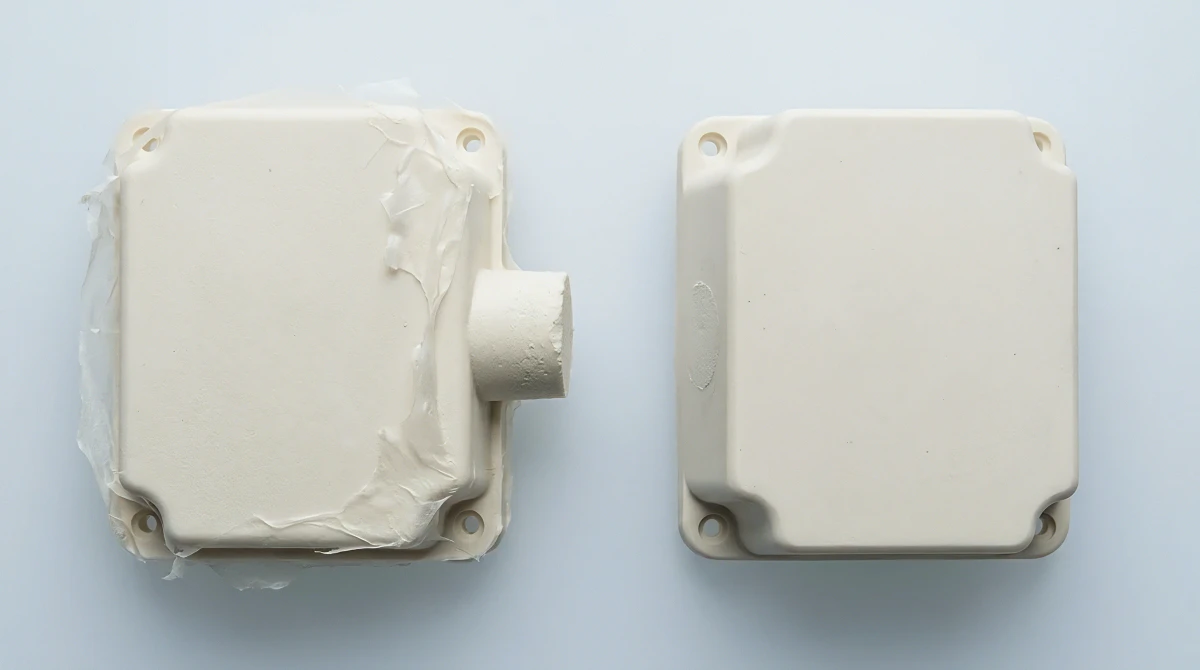
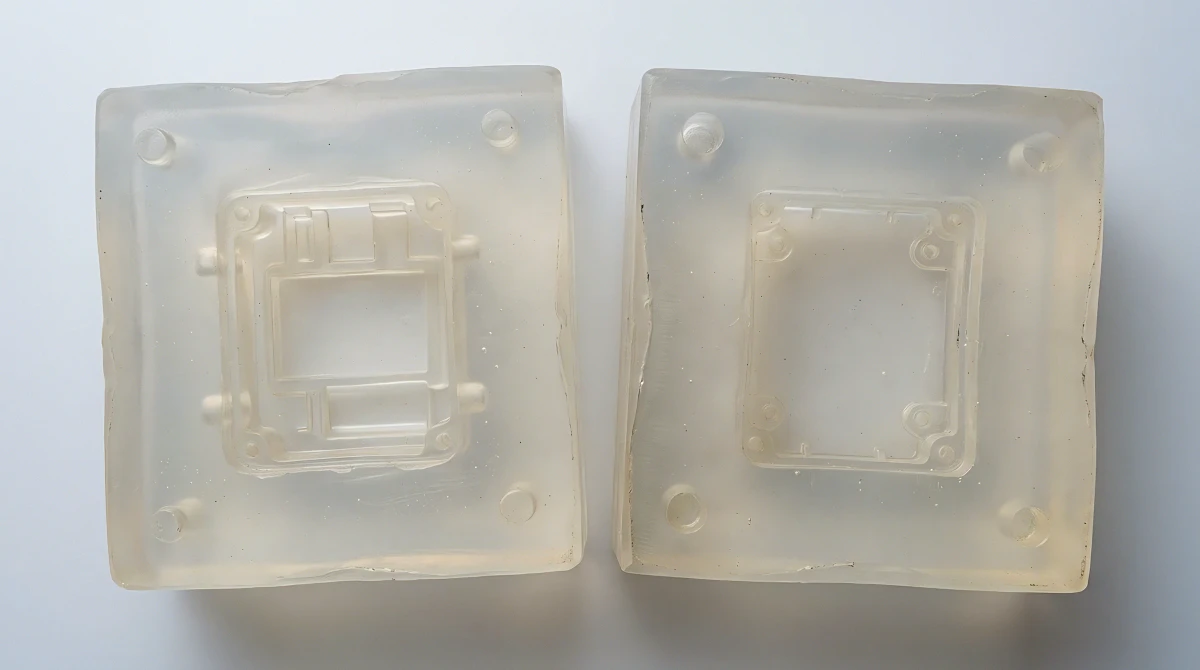
A 2004 dissertation recommends a light mist, allowed to dry before closing. An excess harms surface finish and part strength. When a mold is made in 2 pours, the first half is coated before the second is cast against it.

Compatibility Testing

Sika requires compatibility trials using the real release agent and process conditions. Resin, silicone and release agent are therefore tested as a set. A release agent that suits one resin is not assumed to suit another. Sika lists coatings beside release agents in the same test requirement.

Clear Grade Tooling

Sika asks that its clear PX522 be cast in a new mold that has never held casting resin. The sheet gives no reason. Leftover resin, release agent or color would likely show through a clear casting.
Vacuum Casting Defects in a Batch Traced to Their Cause

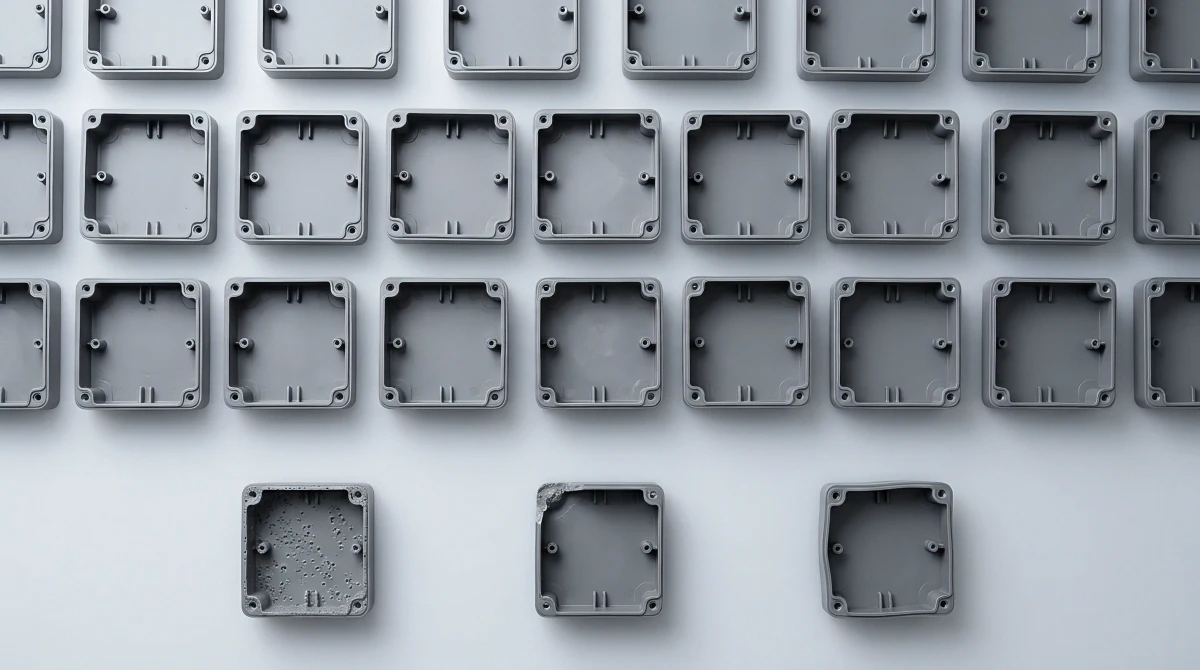
A vacuum casting defect points to its cause by where it sits on the part and which castings of the batch show it, from one wet pour to a mold near its end.

The List of Casting Defects and the Cause Behind EachVacuum casting defects trace to six causes: moisture in the components, air folded in during mixing and pouring, a mixing ratio upset by weighing or crystallization, a mold or master fault copied into every part, a cure or demold cut short, and a silicone mold wearing out over the run. The table pairs the defects named in the opened documents with those causes and with what a buyer or inspector sees.

Painting and Texturing Vacuum Cast Parts After Demold

A cast urethane part is painted only after its release agent is washed off and its surface keyed, with flexible coatings on parts that bend.

Painting Vacuum Cast Parts Step by StepA vacuum cast part is painted by removing the release agent, keying and degreasing the surface, applying an adhesion promoter where the substrate calls for one, priming, and then applying the color and clear coats, with flexible additives in every layer when the part bends. The car refinish makers write the sequence most completely, because they paint new plastic parts every day.

Overmolding and Inserts in Vacuum Casting Step by Step

Inserts in a cast part are held by knurls and undercuts, located on pins in the silicone, and surrounded by resin mixed and poured under vacuum.

The Vacuum Casting Steps for a Part With InsertsA vacuum cast part with molded-in inserts is made in eight steps: the insert is chosen and shaped for mechanical retention, the master is prepared so the mold can locate it, the insert's surface is prepared, it is placed in the opened silicone mold, the mold is closed and preheated, the resin is degassed and mixed under vacuum, the mold is filled and vented, and the part is cured and demolded around the insert. An overmolded part adds a second mold and a second pour.

Making the Master Pattern for Vacuum Casting From SLA or CNC

The master is finished, sealed and fitted with its parting line, gate and risers before the silicone is poured, because the mold copies every mark into the batch.

What the Master Pattern Has to Deliver Before the Silicone Is PouredA master pattern for vacuum casting is the physical original from which the silicone mold is cast, and the mold reproduces it so faithfully that every cast part inherits its shape, its surface and its faults. Loughborough University's vacuum casting guide puts it plainly: the mold replicates the master extremely faithfully, so the master's surface finish and accuracy are what the moldings will have.

Surface Finish of Vacuum Cast Parts and How the Master Sets It

A vacuum cast part copies its master's roughness and comes out slightly smoother, so the finish is specified and measured on the master before the mold is poured.

How Closely a Vacuum Cast Surface Follows Its MasterA vacuum cast part's surface roughness is set by its master within about a tenth of the master's value, in the two studies on file. In the 2020 study by Mustafa and co-authors, parts cast from FDM, SLA and multi jet fusion (MJF) masters all came out smoother than the master, by 1.84 %, 9.62 % and 6.09 % respectively.

Demolding and Post-Curing Vacuum Cast Parts

Each grade prints its own demold time and its own post-cure, and thin or long parts are supported in the oven while it runs.

Demolding Vacuum Cast Parts at 70 °CDemolding means opening the silicone tool and taking the copy out once the resin has gelled and hardened far enough to hold its form. In every sheet on file the tool stays at 70 °C (158 °F) in the oven for that time.

Silicone Rubber for Vacuum Casting Molds

Mold silicone is an addition-cure rubber chosen for hardness and resin resistance, checked against every material it touches, and treated as a consumable.

Silicone Rubber as the Mold Material in Vacuum CastingA mold silicone is a two-component liquid rubber that is poured round a master, cured at room temperature or a little above, and cut open to release the master. Renishaw describes Vacusil 2000 as a two-component addition-cure liquid silicone rubber designed for mold making, curing at room temperature to a translucent, high-strength elastic rubber, and names vacuum casting of polyurethane resins among its uses.

Send the Drawing of Your Cast Part

Send the 2D drawing and the 3D file, with the quantity and the stage of the project. An engineer replies within 1 working day.

The quote form, the mutual NDA and the private folder for your files are on Protolis Atelier, with Vacuum Casting chosen.

Request a Quote