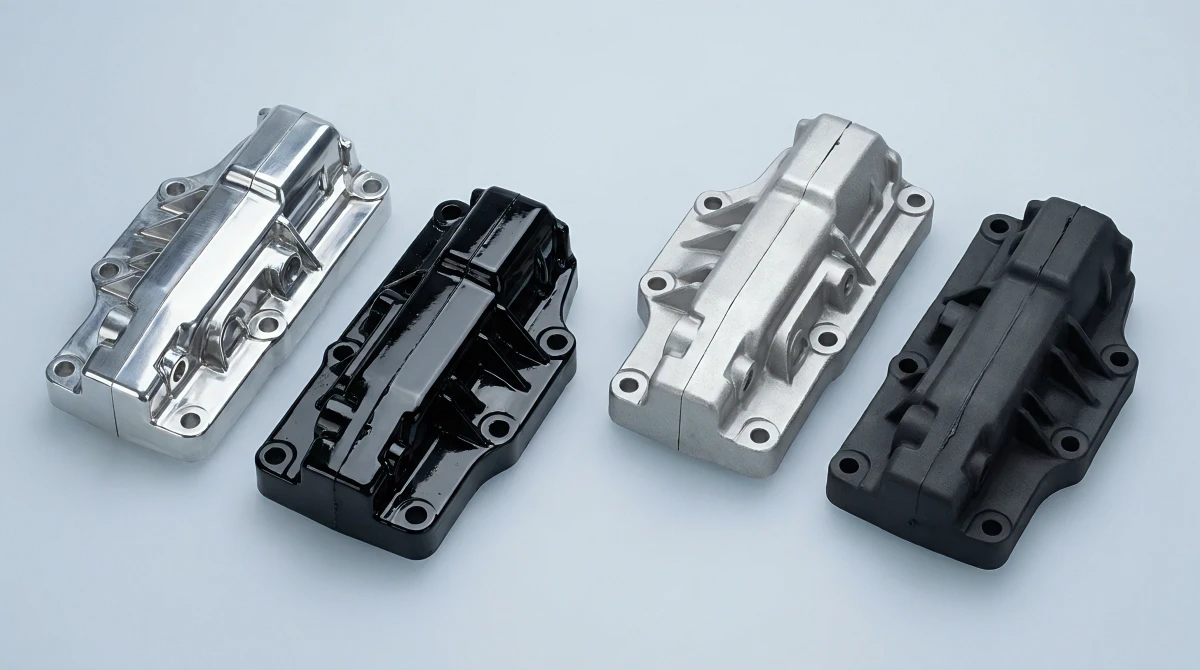
Clear Grade

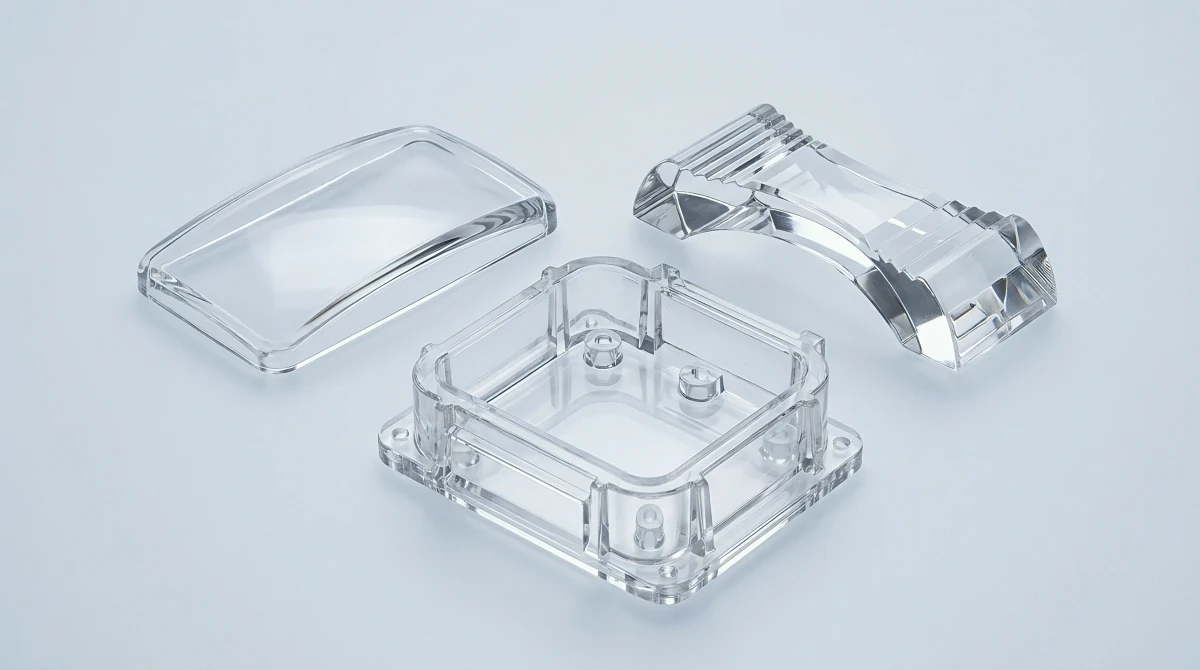
A clear grade is a transparent polyurethane casting resin, made for parts that pass light such as lens covers, light pipes and display windows.

Every Clear Grade article of the Vacuum Casting Resources, newest first, each written from published standards, research and makers’ data.

Meaning

A clear grade is a transparent polyurethane casting resin, made for parts that pass light such as lens covers, light pipes and display windows. Sika’s 2 clear systems in these resources are PX522 and PX523, cured with the same isocyanate, PX521. Renishaw lists a transparent ABS-type grade, SG95, among its common resins. The clear family therefore spans more than one maker.

Thickness Classes

The clear grades split by section thickness. PX522 is built for parts up to 10 mm (0.39 in) and PX523 for parts up to 100 mm (3.94 in). A 2004 dissertation describes 2 transparent systems of another maker with a 10 mm (0.39 in) maximum wall. That suggests the thickness limit belongs to the material class more than to one maker.
Read More

Dedicated Tool

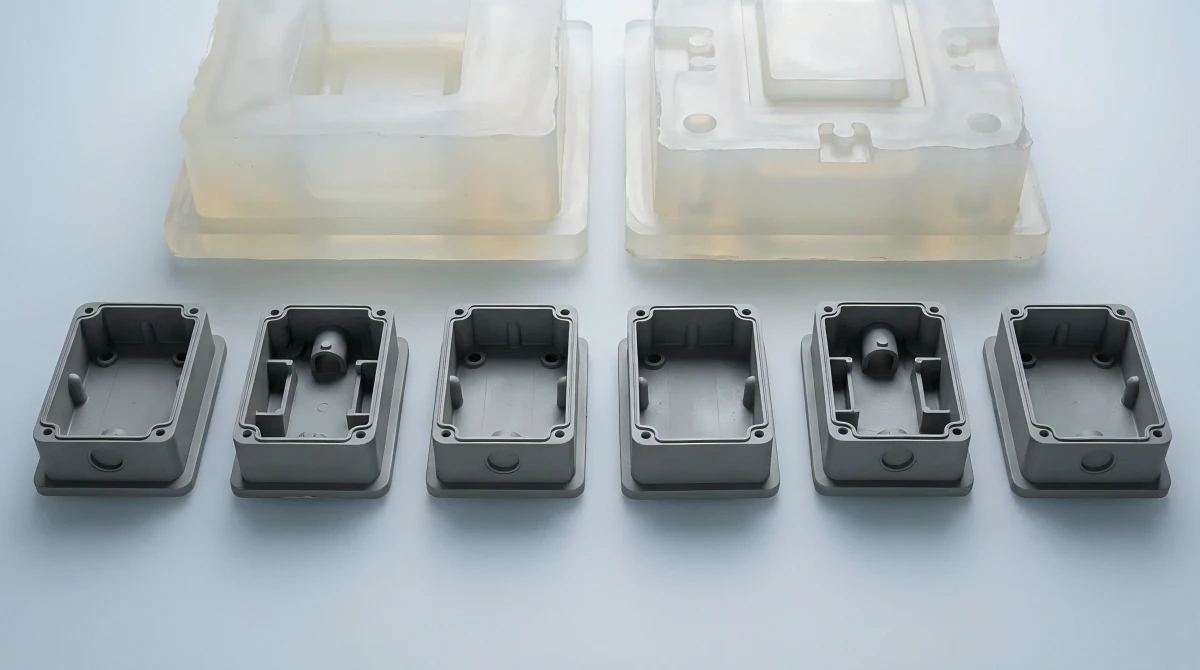
Sika asks that PX522 be cast in a new mold without casting resin previously inside. A clear grade therefore does not share a tool with any other resin. In a batch plan this can add a tool for each lot of clear resin. The sheet gives no reason, and the likely one is traces of earlier resin or colorant showing in a transparent part.

Degassing Margin

A clear grade leaves no place for a bubble to hide. Each component gets 10 minutes under vacuum on its own before mixing. PX523’s pot life of 20 minutes leaves the most room to degas properly. PX522 gives 8 minutes. Clear-part buyers have the strongest case for receiving the degassing record.

Optical Figures

A clear grade’s sheet prints 1 or 2 optical figures at most. PX522 gives a light transmission of 89 %, measured by the laboratory LNE, without the thickness or wavelength. PX523 gives a refractive index of 1.511. Neither sheet states how clarity changes with thickness or quantifies yellowing.

Pigment Use

A water-clear part takes no pigment. A tinted part, such as an amber lens, takes Sika’s tested paste at 1 % in the polyol. Leaving pigment out removes one source of moisture from the batch.

Mechanical and Electrical Properties

PX522 and PX523 sit close mechanically, at Shore D 85 and 86. Both print a heat deflection of 85 °C (185 °F). Neither clear sheet carries a flame statement, though PX523 prints a tracking resistance of 600 V.
Vacuum Casting Defects in a Batch Traced to Their Cause

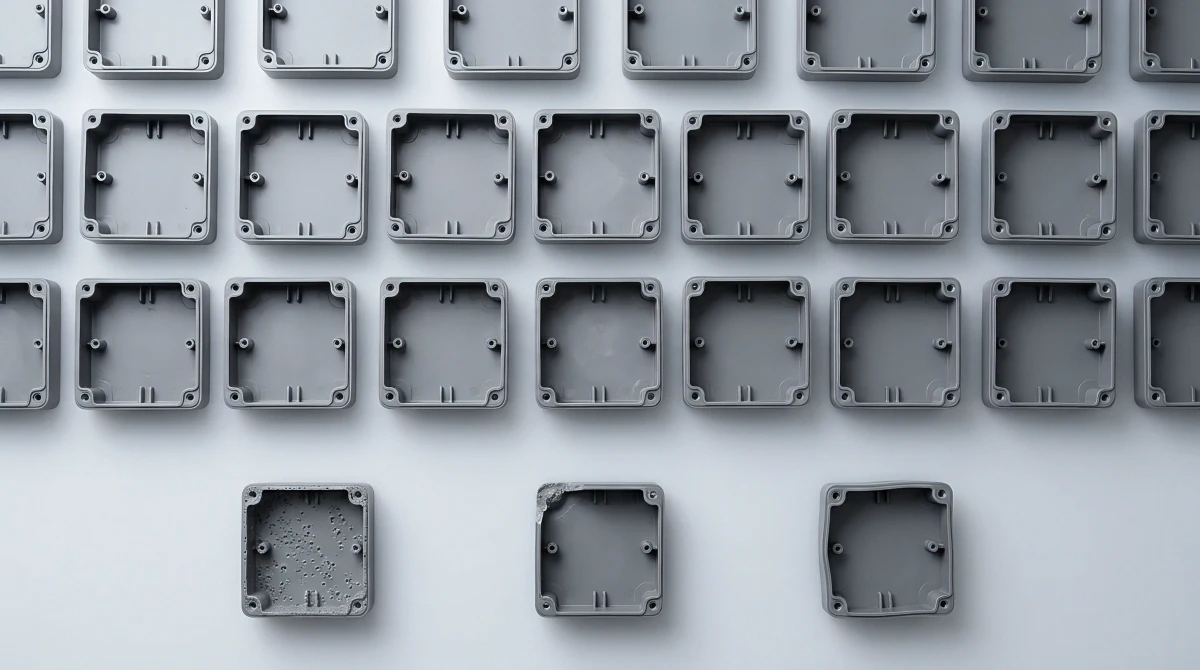
A vacuum casting defect points to its cause by where it sits on the part and which castings of the batch show it, from one wet pour to a mold near its end.

The List of Casting Defects and the Cause Behind EachVacuum casting defects trace to six causes: moisture in the components, air folded in during mixing and pouring, a mixing ratio upset by weighing or crystallization, a mold or master fault copied into every part, a cure or demold cut short, and a silicone mold wearing out over the run. The table pairs the defects named in the opened documents with those causes and with what a buyer or inspector sees.

Surface Finish of Vacuum Cast Parts and How the Master Sets It

A vacuum cast part copies its master's roughness and comes out slightly smoother, so the finish is specified and measured on the master before the mold is poured.

How Closely a Vacuum Cast Surface Follows Its MasterA vacuum cast part's surface roughness is set by its master within about a tenth of the master's value, in the two studies on file. In the 2020 study by Mustafa and co-authors, parts cast from FDM, SLA and multi jet fusion (MJF) masters all came out smoother than the master, by 1.84 %, 9.62 % and 6.09 % respectively.

Silicone Molds, Pours and Lead Time for a Vacuum Cast Batch

A batch needs one silicone mold per set of copies, per resin and per color, and pours run one at a time through the chamber.

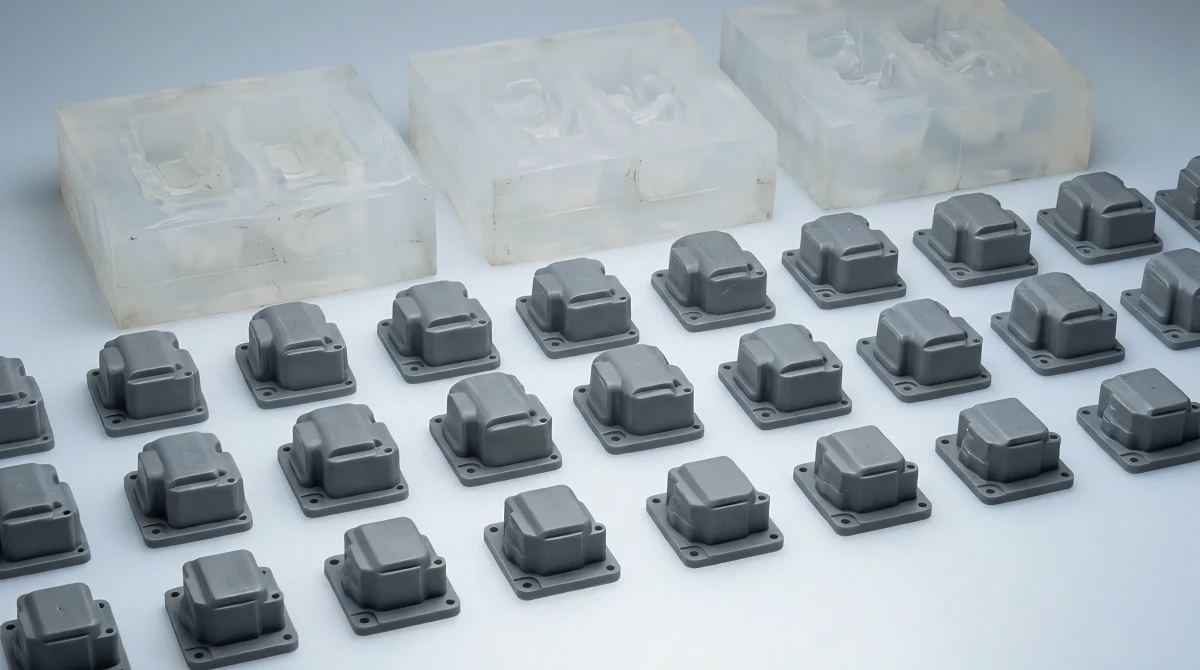
How Many Silicone Molds a Vacuum Cast Batch NeedsThe tool count is the quantity divided by the copies one tool gives, rounded up. Renishaw states that a mold can produce up to 50 parts before retooling and typically between 30 and 50 colour matched parts.

Degassing Silicone and Resin in Vacuum Casting

Each resin component is evacuated alone for about ten minutes, the silicone twice, and the air returns before the pot life ends.

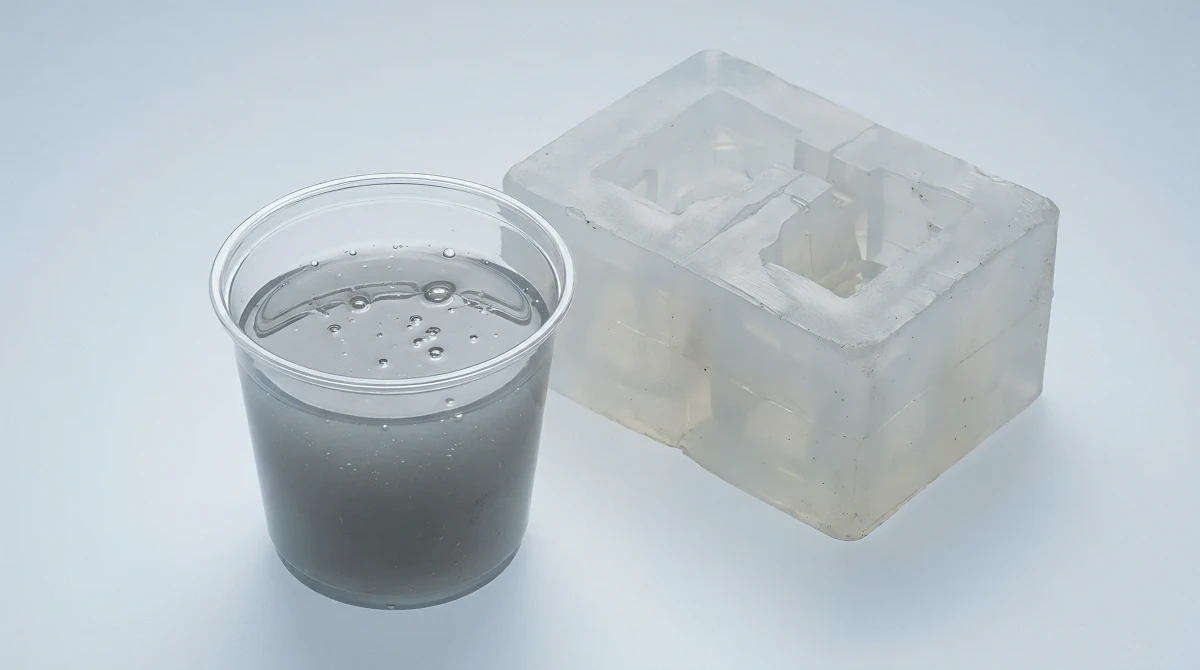
Why Silicone and Resin Are Degassed Under VacuumMixing puts air into any liquid. Stirring two viscous components together folds the surface into the bulk, and a general guide from the mold supplier ArtMolds puts the air picked up by mixing at 5 % to 20 % of the volume, calling it the primary cause of bubbles in cast parts.

Clear Polyurethane Casting Resin for Vacuum Casting

A clear polyurethane grade is chosen by section thickness first, and its post-cure has a printed ceiling that protects the color of the part.

How Clear a Casting Resin Is in Datasheet NumbersOn a datasheet, clear is a claim with two numbers behind it at most. PX522 is described as water clear, with a coefficient of light transmission of 89 percent measured by the laboratory LNE, and PX523 prints a refractive index of 1.511.

Send the Drawing of Your Cast Part

Send the 2D drawing and the 3D file, with the quantity and the stage of the project. An engineer replies within 1 working day.

The quote form, the mutual NDA and the private folder for your files are on Protolis Atelier, with Vacuum Casting chosen.

Request a Quote