Yellowing

Yellowing is the drift of a cast polyurethane toward yellow, caused by too much heat during cure and post-cure or by sunlight after delivery.

Every Yellowing article of the Vacuum Casting Resources, newest first, each written from published standards, research and makers’ data.

Meaning

Yellowing is the drift of a cast polyurethane toward yellow, caused by too much heat during cure and post-cure or by sunlight after delivery. It matters most on clear, white and pale parts, where a small shift is easy to see against a reference.

Cure Limits

Sika prints a ceiling on its water-clear PX523 to prevent yellowing of the cast part: curing time is not to exceed 7 days at 70 °C (158 °F), 48 hours at 80 °C (176 °F) or 16 hours at 100 °C (212 °F). The same post-cure that brings a grade to its printed properties can, if overdone, change its color, so the cure for a clear or pale part is written into the order with its upper limit.
Read More

Light Exposure

Polytek states that its Kast-Series and LiteCast urethane plastics yellow and chalk when exposed to sunlight, and are to be painted or sealed for exterior use, with the coating’s adhesion checked over time. Its LiteCast and Plasti-Flex bulletin says the same of those plastics, and offers casting the color in as the alternative to paint.

Yellowish Base Colors

Some grades start out tinted rather than turning yellow. Renishaw’s 8060-2 cures slightly yellow and translucent, which shifts any pale pigment added to it. A color match on such a grade begins from its own base.

Color Check

A color approved on a first article is approved after the full cure and post-cure, measured against the reference under the agreed light and formula. A part meant for outdoor use is judged after exposure, or painted, rather than on the day it leaves the oven.

Color Matching a Vacuum Cast Batch to a RAL or Pantone Reference

A vacuum cast color is fixed as a weighed recipe on an approved first article, measured with an agreed formula and tolerance, and repeated for every pour.

How a Vacuum Cast Batch Is Matched to a RAL or Pantone ColorA vacuum cast batch is matched to a reference by pigmenting each pour with a paste dosed within the resin maker's limit, casting a first part, measuring it against the reference under agreed conditions, adjusting the recipe, and then holding that recipe for every pour, with parts checked against the approved first article. Renishaw describes the casting system as producing typically 30 to 50 color-matched parts from a single mold, which is the batch size the recipe has to stay steady over.
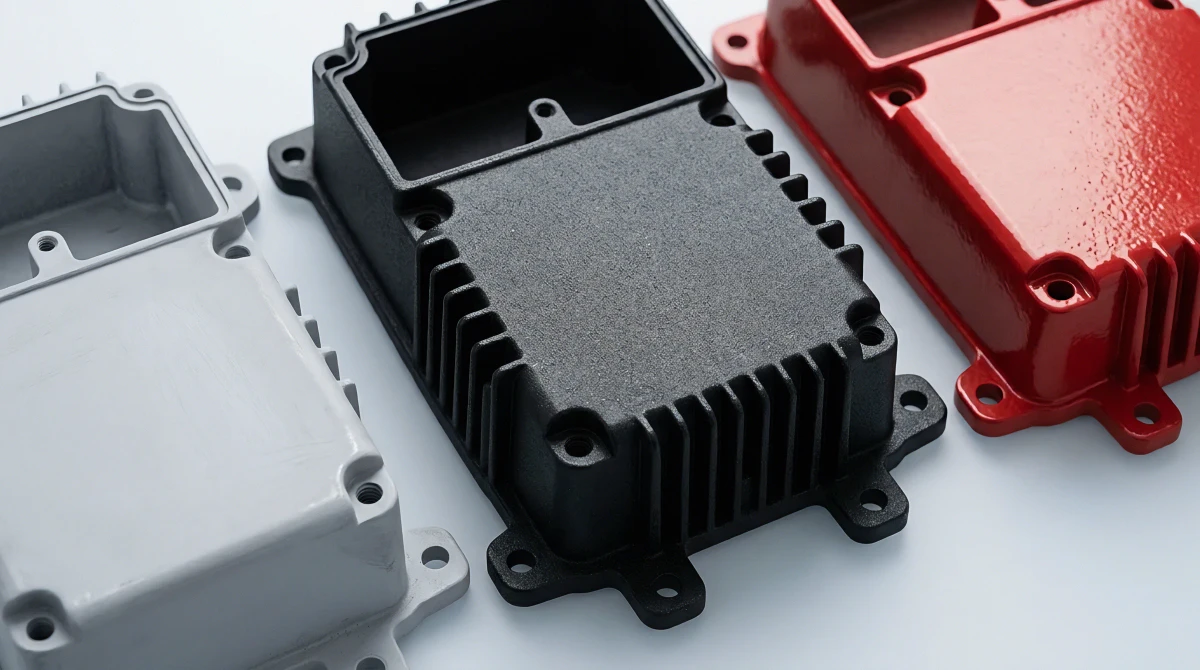
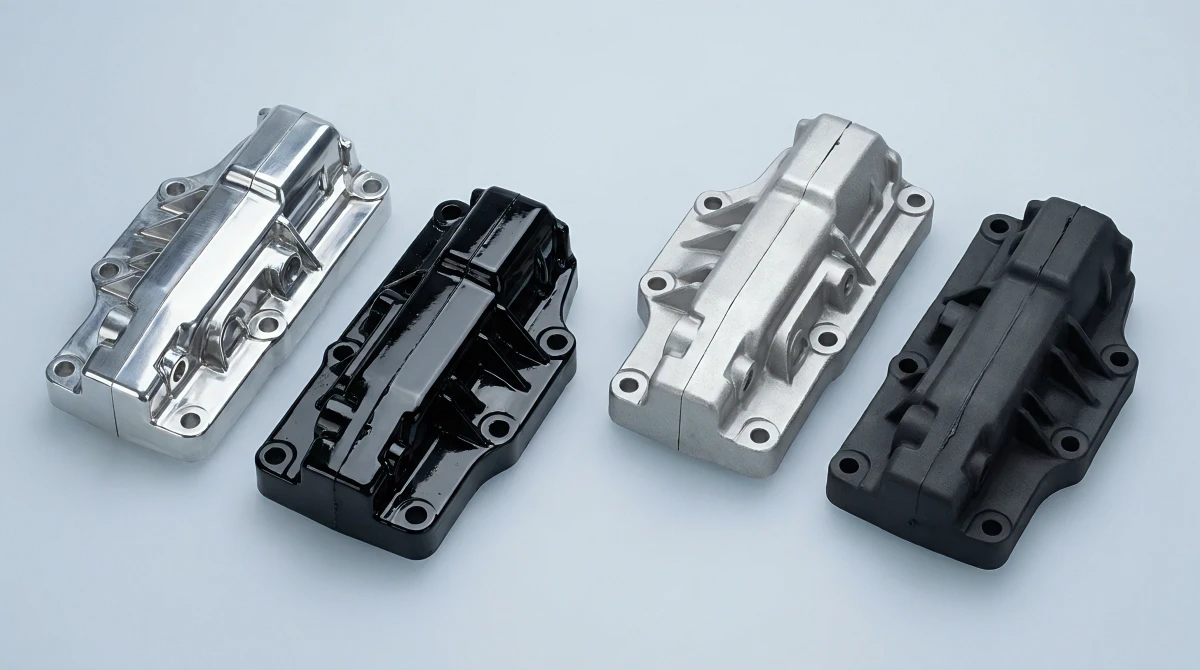
Painting and Texturing Vacuum Cast Parts After Demold

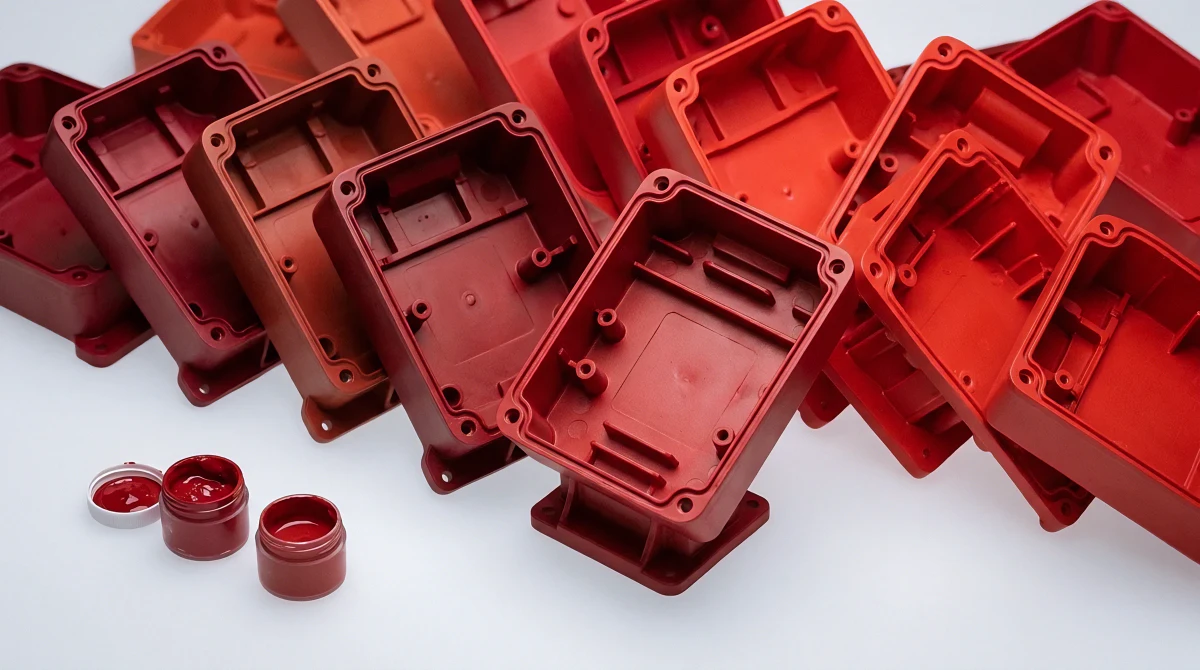
A cast urethane part is painted only after its release agent is washed off and its surface keyed, with flexible coatings on parts that bend.

Painting Vacuum Cast Parts Step by StepA vacuum cast part is painted by removing the release agent, keying and degreasing the surface, applying an adhesion promoter where the substrate calls for one, priming, and then applying the color and clear coats, with flexible additives in every layer when the part bends. The car refinish makers write the sequence most completely, because they paint new plastic parts every day.

Surface Finish of Vacuum Cast Parts and How the Master Sets It

A vacuum cast part copies its master's roughness and comes out slightly smoother, so the finish is specified and measured on the master before the mold is poured.

How Closely a Vacuum Cast Surface Follows Its MasterA vacuum cast part's surface roughness is set by its master within about a tenth of the master's value, in the two studies on file. In the 2020 study by Mustafa and co-authors, parts cast from FDM, SLA and multi jet fusion (MJF) masters all came out smoother than the master, by 1.84 %, 9.62 % and 6.09 % respectively.

Demolding and Post-Curing Vacuum Cast Parts

Each grade prints its own demold time and its own post-cure, and thin or long parts are supported in the oven while it runs.

Demolding Vacuum Cast Parts at 70 °CDemolding means opening the silicone tool and taking the copy out once the resin has gelled and hardened far enough to hold its form. In every sheet on file the tool stays at 70 °C (158 °F) in the oven for that time.

Wall Thickness Limits for Vacuum Cast Polyurethane Parts

Each casting resin carries a maximum thickness printed by its maker, and every property on its sheet describes a specimen of one stated thickness, not the whole part.

Maximum Casting Thickness as the Maker Prints ItSeveral Sika sheets print a line titled maximum casting thickness, and Sika's text for PX522 and PX523 words the same idea as parts until 10 mm or until 100 mm thickness by vacuum casting in silicone molds. Renishaw's resin sheets for 6230 and 8263 print no such line.

Clear Polyurethane Casting Resin for Vacuum Casting

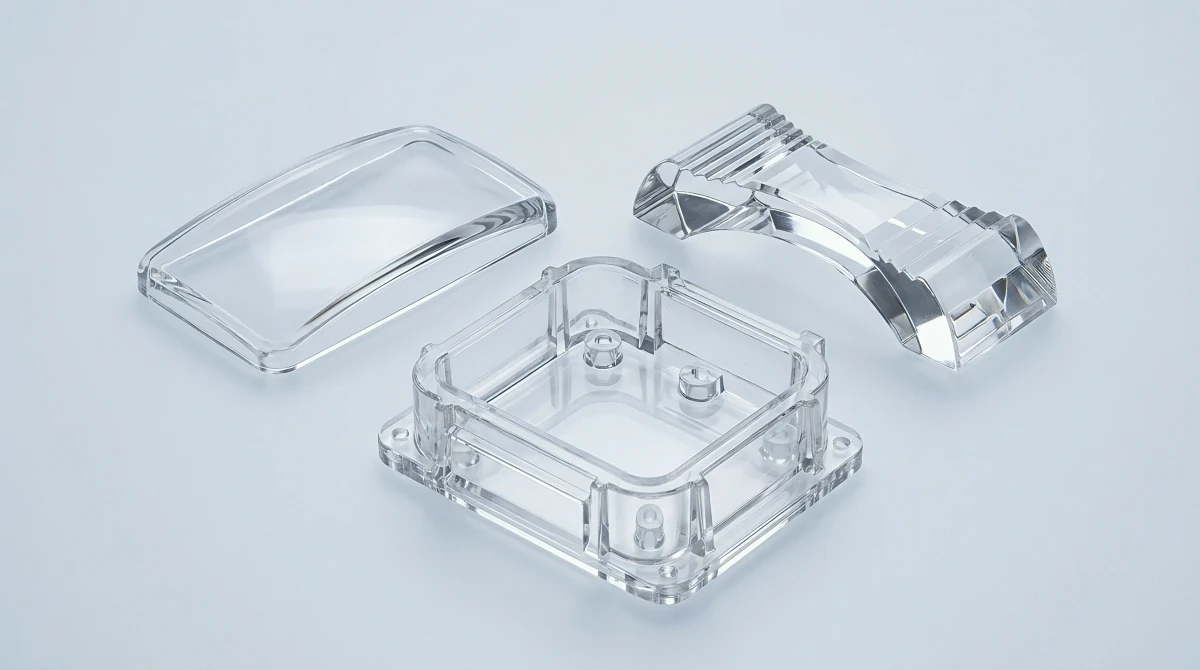
A clear polyurethane grade is chosen by section thickness first, and its post-cure has a printed ceiling that protects the color of the part.

How Clear a Casting Resin Is in Datasheet NumbersOn a datasheet, clear is a claim with two numbers behind it at most. PX522 is described as water clear, with a coefficient of light transmission of 89 percent measured by the laboratory LNE, and PX523 prints a refractive index of 1.511.

Send the Drawing of Your Cast Part

Send the 2D drawing and the 3D file, with the quantity and the stage of the project. An engineer replies within 1 working day.

The quote form, the mutual NDA and the private folder for your files are on Protolis Atelier, with Vacuum Casting chosen.

Request a Quote