Conformer

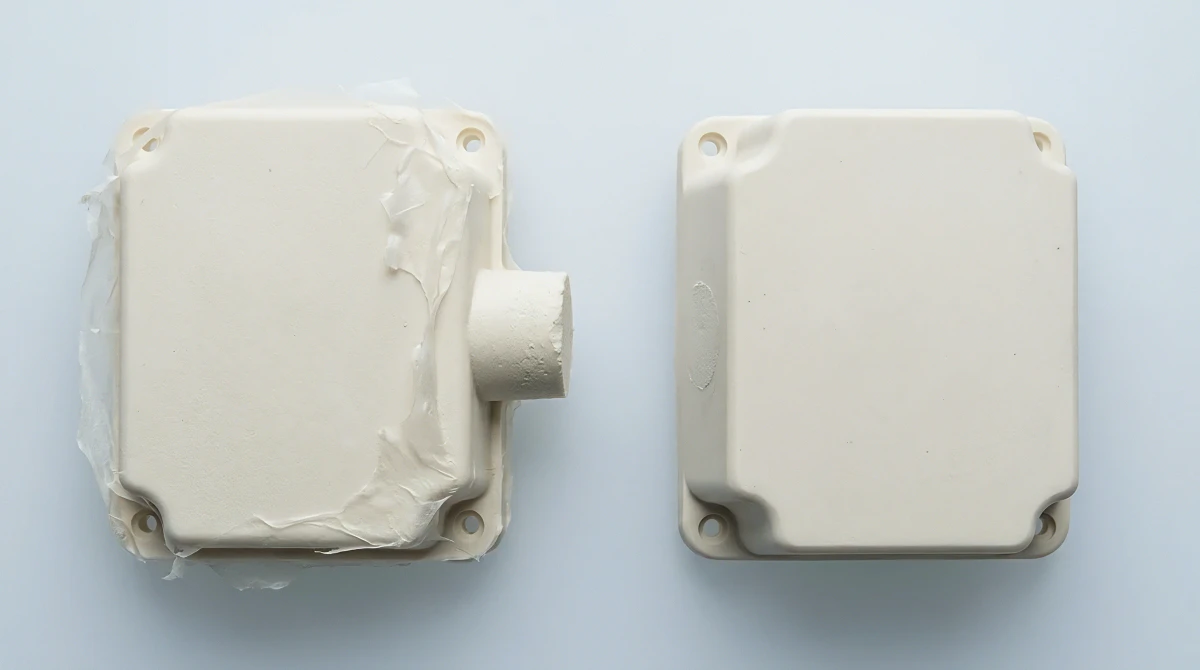
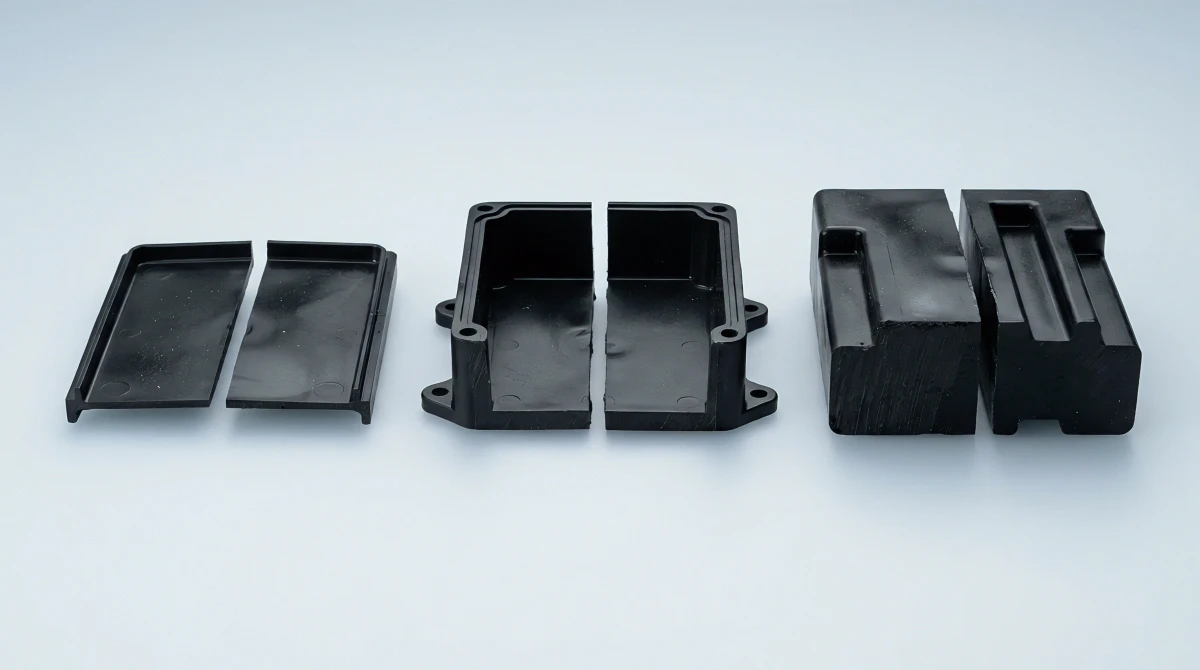
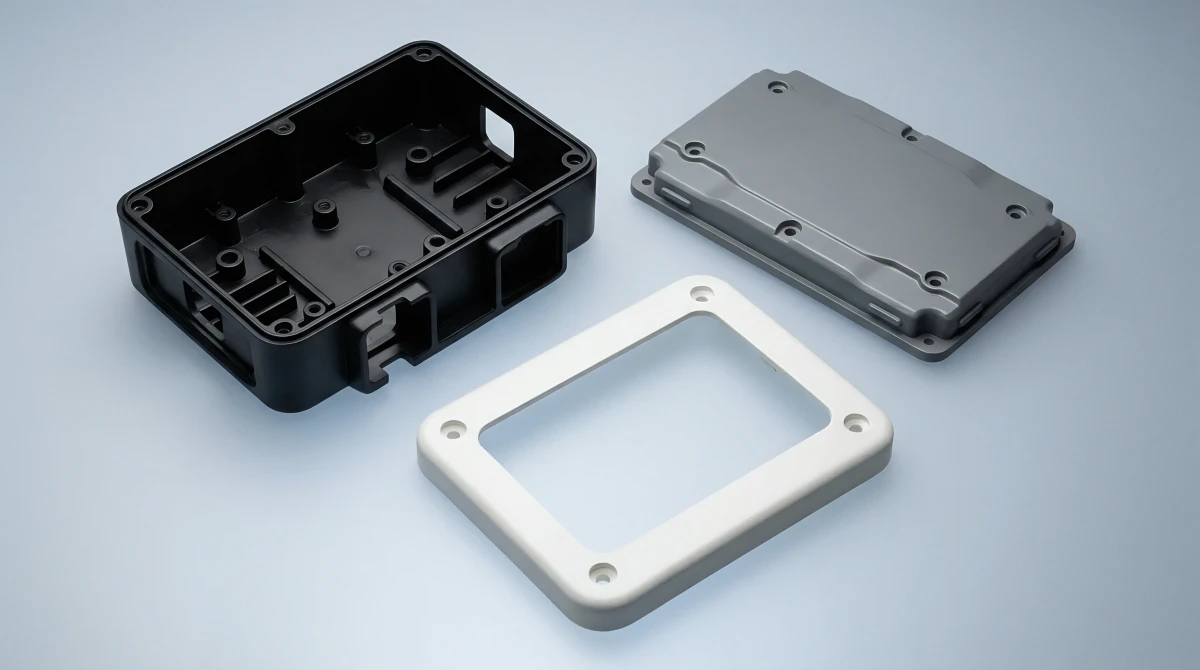
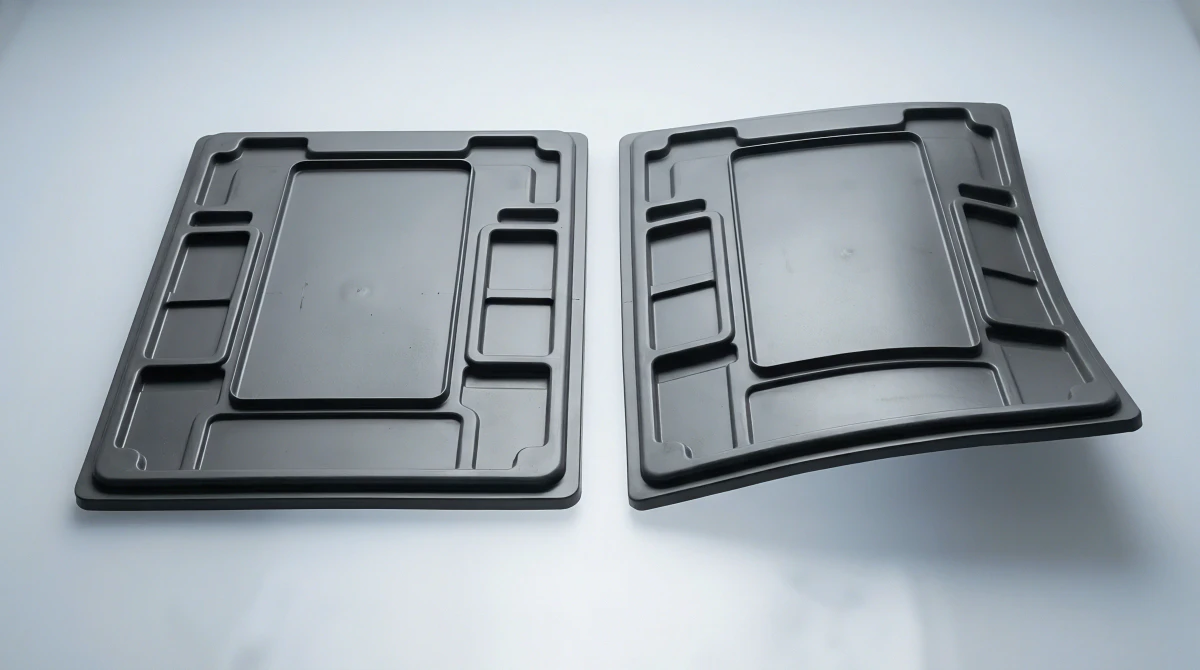
A conformer is a support shaped like the cast part that holds it in its intended form while it post-cures in the oven.

Every Conformer article of the Vacuum Casting Resources, newest first, each written from published standards, research and makers’ data.

Meaning

A conformer is a support shaped like the cast part that holds it in its intended form while it post-cures in the oven. Sika uses the word on its PX205, PX331, PX522 and PX523 sheets. Each advises one in the post-cure oven when the part’s shape and mass call for it. The PX 223 HT sheet states the same need as support for the part in the oven.

Purpose

A part comes out of a 70 °C (158 °F) tool warm and below its full stiffness. Back in the oven, only its own shape keeps it straight. Several post-cures run above the part’s own heat deflection, such as 100 °C (212 °F) on PX522 against 85 °C (185 °F). The part carries only its own weight, so the risk is slow sag or bow, and the conformer prevents it.
Read More

Parts That Need Support

The sheets name geometry and weight as the deciding factors. A small, compact part can often do without. Long, flat, thin-walled or heavy parts are the ones at risk. Thin sections bow most readily over a long schedule.

Optical Parts

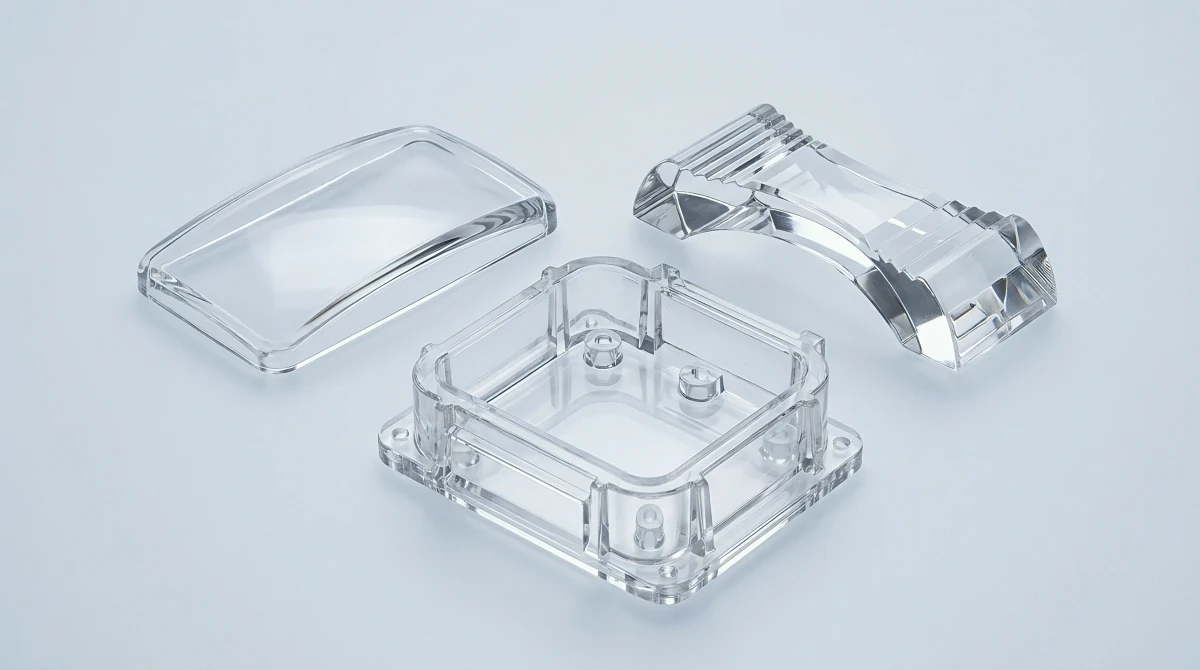
On a clear part, a bow is also an optical defect. Even a fraction of a millimeter of bow from 16 hours at 100 °C (212 °F) distorts what is seen through a cover. No polishing removes a bow. A clear part’s conformer must withstand 100 °C (212 °F) and leave no mark on the clear surface.

Faults Without Support

A part that no longer lies flat, or a ring out of round, after post-cure points to missing support. The check is whether a support or conformer was used, and whether the heat-up ran in a supported posture. A part measured free and one measured held in a fixture also read differently.

Oven Loads

Long schedules mean daily oven loads, with each supported copy resting on its conformer through the night. A grade without post-cure, such as Renishaw 6230, needs no oven support after demolding.
Flatness and Warp of Large Vacuum Cast Parts

Large vacuum cast panels stay flat through a uniform thin wall, a slow cure, a conformer in post-cure and a temperature kept well below heat deflection.

What Sets Flatness and Warp on a Large Vacuum Cast PartFlatness on a large vacuum cast part is set by five conditions: the heat the resin releases as it cures, the wall thickness against the grade's maximum, how evenly and how long the part cures before demold, whether it is supported during post-cure, and the temperature it later works at. No resin maker, guide or study opened for this piece prints a flatness or warp tolerance for vacuum cast parts.

Demolding and Post-Curing Vacuum Cast Parts

Each grade prints its own demold time and its own post-cure, and thin or long parts are supported in the oven while it runs.

Demolding Vacuum Cast Parts at 70 °CDemolding means opening the silicone tool and taking the copy out once the resin has gelled and hardened far enough to hold its form. In every sheet on file the tool stays at 70 °C (158 °F) in the oven for that time.

Wall Thickness Limits for Vacuum Cast Polyurethane Parts

Each casting resin carries a maximum thickness printed by its maker, and every property on its sheet describes a specimen of one stated thickness, not the whole part.

Maximum Casting Thickness as the Maker Prints ItSeveral Sika sheets print a line titled maximum casting thickness, and Sika's text for PX522 and PX523 words the same idea as parts until 10 mm or until 100 mm thickness by vacuum casting in silicone molds. Renishaw's resin sheets for 6230 and 8263 print no such line.

Heat Deflection Temperature of Cast Polyurethane Under ISO 75 and ASTM D648

Heat deflection temperature ranks materials under one loaded test and does not set a service ceiling, so it is read together with post-cure and part geometry.

Heat Deflection as One Loaded Bar TestThe test bends a bar under a fixed load while the temperature climbs, and it records the temperature at which the bar has deflected by a set amount. ISO 75-1 describes the general method for determining the temperature of deflection under load, with flexural stress applied in three-point loading.

Clear Polyurethane Casting Resin for Vacuum Casting

A clear polyurethane grade is chosen by section thickness first, and its post-cure has a printed ceiling that protects the color of the part.

How Clear a Casting Resin Is in Datasheet NumbersOn a datasheet, clear is a claim with two numbers behind it at most. PX522 is described as water clear, with a coefficient of light transmission of 89 percent measured by the laboratory LNE, and PX523 prints a refractive index of 1.511.

ABS-Like Polyurethane Casting Resins for Vacuum Casting

An ABS-like polyurethane resin is a stiff thermoset named for its use, and its datasheet numbers depend on post-cure, thickness and test method.

Why a Polyurethane Resin Is Called ABS-LikeThe phrase is a maker's shorthand, not a standard. Sika describes its SikaBiresin PX331 as having mechanical properties similar to thermoplastics like filled ABS, and Renishaw lists its 6230 as having properties similar to ABS.

Send the Drawing of Your Cast Part

Send the 2D drawing and the 3D file, with the quantity and the stage of the project. An engineer replies within 1 working day.

The quote form, the mutual NDA and the private folder for your files are on Protolis Atelier, with Vacuum Casting chosen.

Request a Quote