Meaning
Relative humidity is the moisture in the air as a share of what the air could hold at its temperature, and in vacuum casting it matters wherever polyurethane components, coatings or test bars meet the air. Polyols and isocyanates both absorb moisture, and isocyanate reacts with water to form carbon dioxide, which leaves bubbles or foam in the cured part.Casting Effect
Loughborough University’s vacuum casting guide records moisture problems with one ABS-like resin in high humidity, leading to excessive foaming, and recommends dry nitrogen sprayed into containers before closing. The Free State dissertation notes that curing time is prolonged during periods of high humidity. Renishaw states that its resin components are sensitive to humidity and keeps opened cans in an oven at 40 °C (104 °F) with their caps on.Read More
Limits for Coatings
Smooth-On’s UreCoat flexible coating is applied below 50 % relative humidity to minimize bubbles, because like all urethanes it is moisture sensitive.Test Conditioning
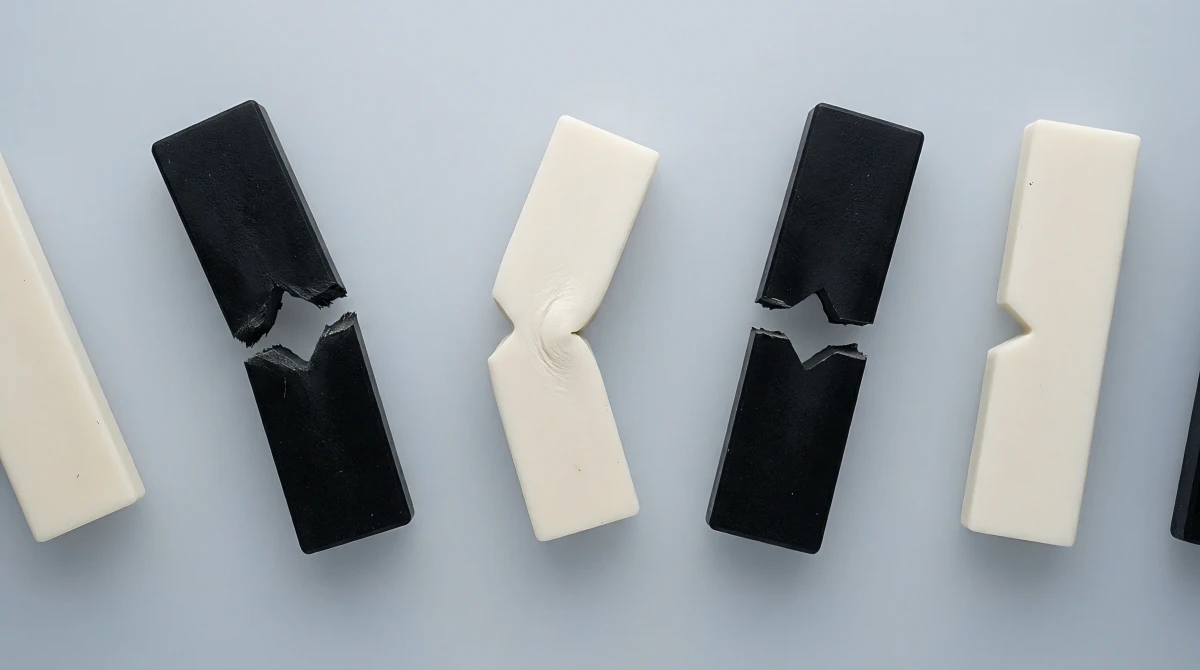
Impact tests to ISO 180 are normally run after conditioning at 23 °C (73 °F) and 50 % relative humidity to ISO 291, so a bar’s history of humidity is part of its result.Masters
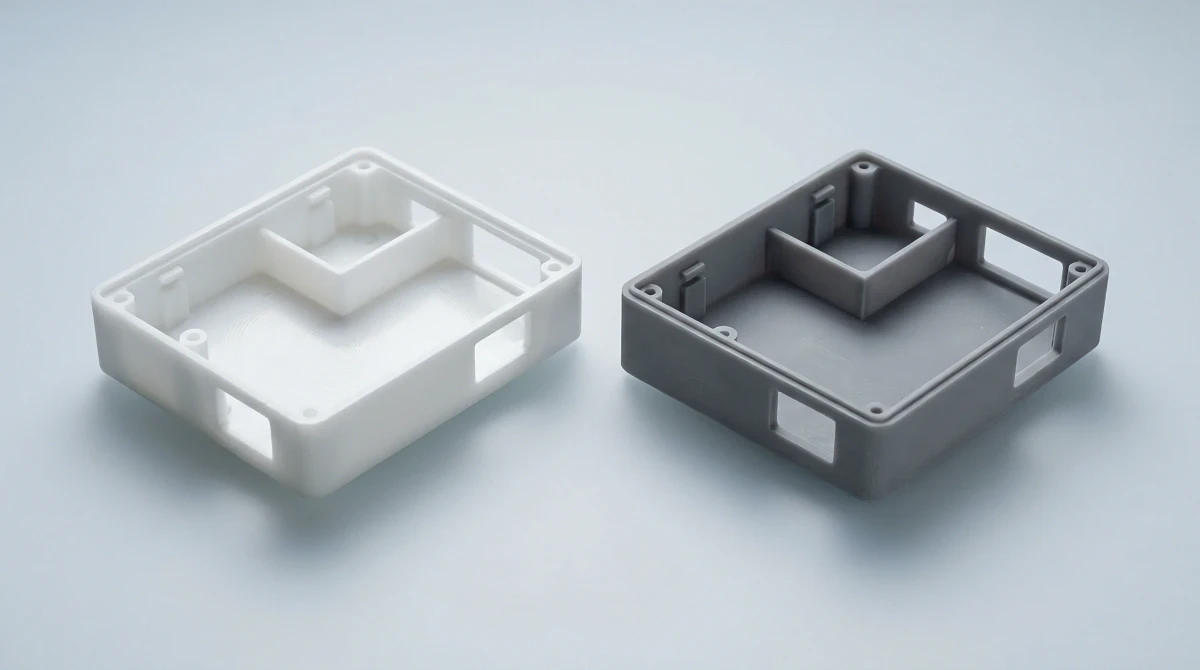
A 1997 paper on a stereolithography resin reported that earlier epoxy SL resins lost flexural modulus over days at 80 % relative humidity, while the newer resin kept it. A printed master stored in a damp shop can change before it is molded.Batch Record
Because humidity acts pour by pour, a note of the room’s humidity beside each pour helps trace a sudden run of bubbles to the day rather than to the resin or the mold.