Tear Strength

Tear strength is the resistance of a rubber to a tear growing from a cut or notch, given per unit of thickness.

Every Tear Strength article of the Vacuum Casting Resources, newest first, each written from published standards, research and makers’ data.

Meaning

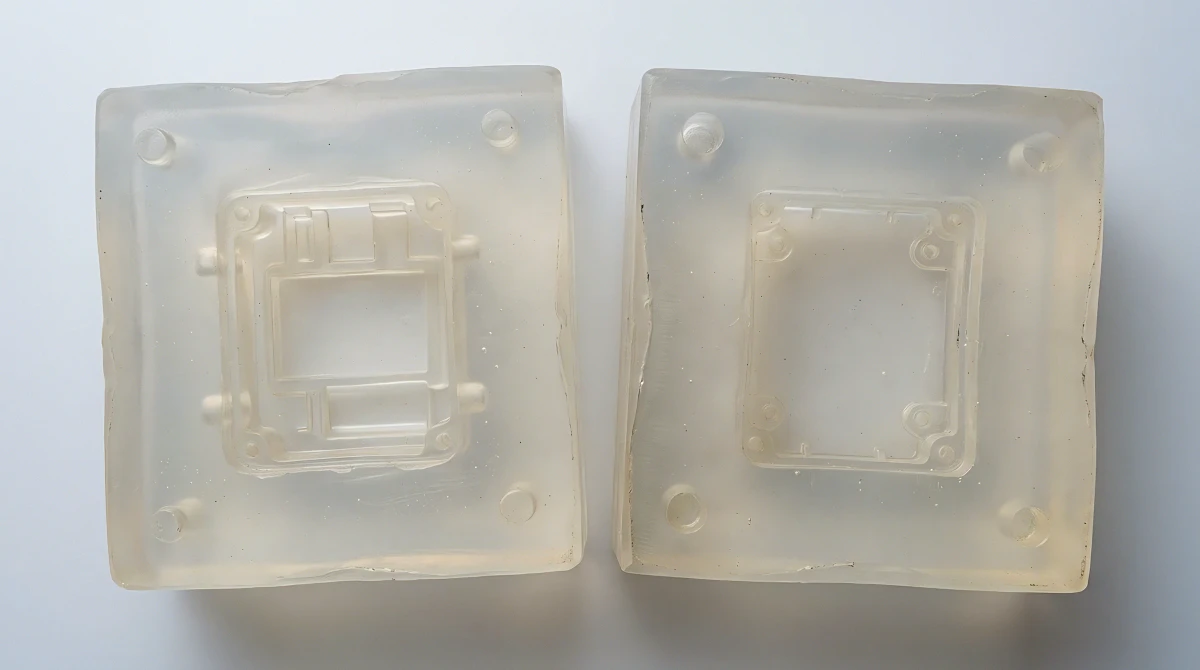
Tear strength is the resistance of a rubber to a tear growing from a cut or notch, given per unit of thickness. For a mold silicone it is one limit of a single pull when a tool is opened. For a rubber-like cast grade it describes how a seal or gasket resists tearing. The sheets state it for the new material only.

Mold Rubber Value

Vacusil 2000 prints a crescent tear strength of 32 N/mm (183 lbf/in). It gives that beside 37 Shore A, 4.5 MPa (653 psi) tensile strength and 380 % elongation. Each figure belongs to the new tool and not to the tool after its fortieth pour.
Read More

Tool Life Link

Opening a tool stretches the silicone around the part and through every undercut. A rough case strains a lip of rubber about 20 % as it passes a 2 mm (0.08 in) undercut. That sits far below the printed limits, so the tear limit is not the one reached first. Wear from repeated stretching is what the copy count describes. As a tool nears its end, a tear can be expected to start at the thinnest silicone wall.

Rubber-Like Grade Values

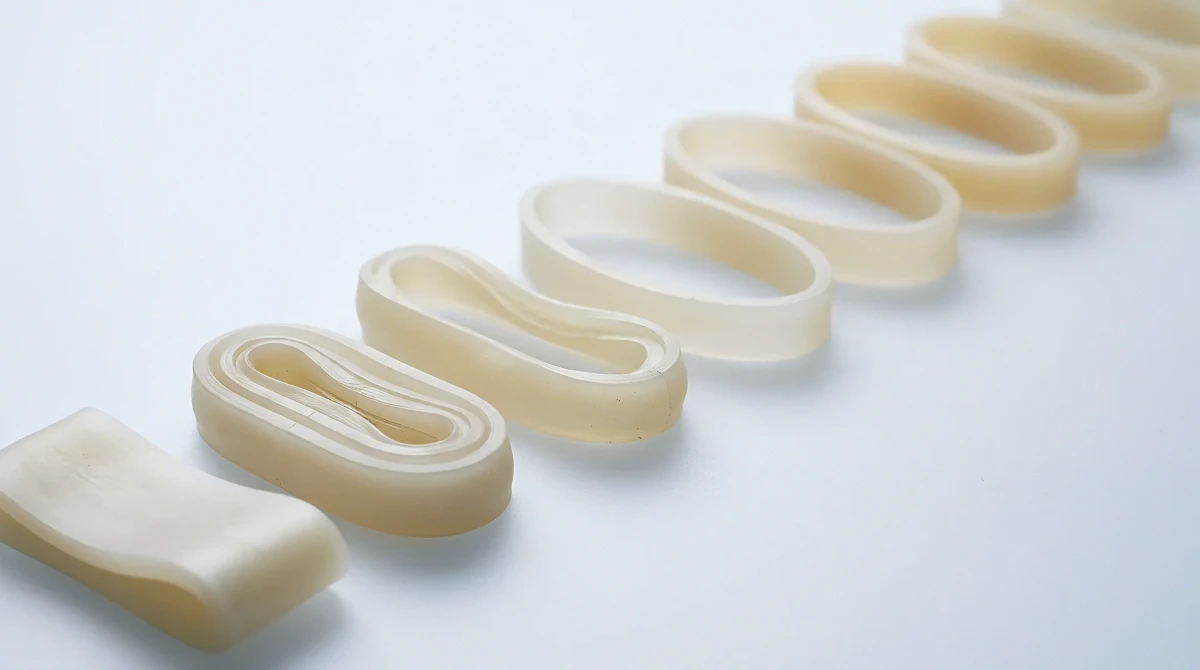
Renishaw’s 8020-2, at Shore A 60, prints a tear strength of 11 to 12 in the unit its sheet uses. A 2004 dissertation describes another maker’s rubber-like grade at Shore A 65 as having good tear resistance. Hardness alone does not show how such grades differ in tear.

Missing Data

No silicone sheet prints a fatigue figure. How the rubber behaves after its thirtieth stretch is not on any sheet on file. Comparing the first and last copy of a tool is the practical evidence.

Rubber-Like Polyurethane Resins From Shore 30 A to 90 A

A rubber-like urethane is specified by grade, hardness method and a tested service temperature, because hardness alone leaves strength and heat behavior open.

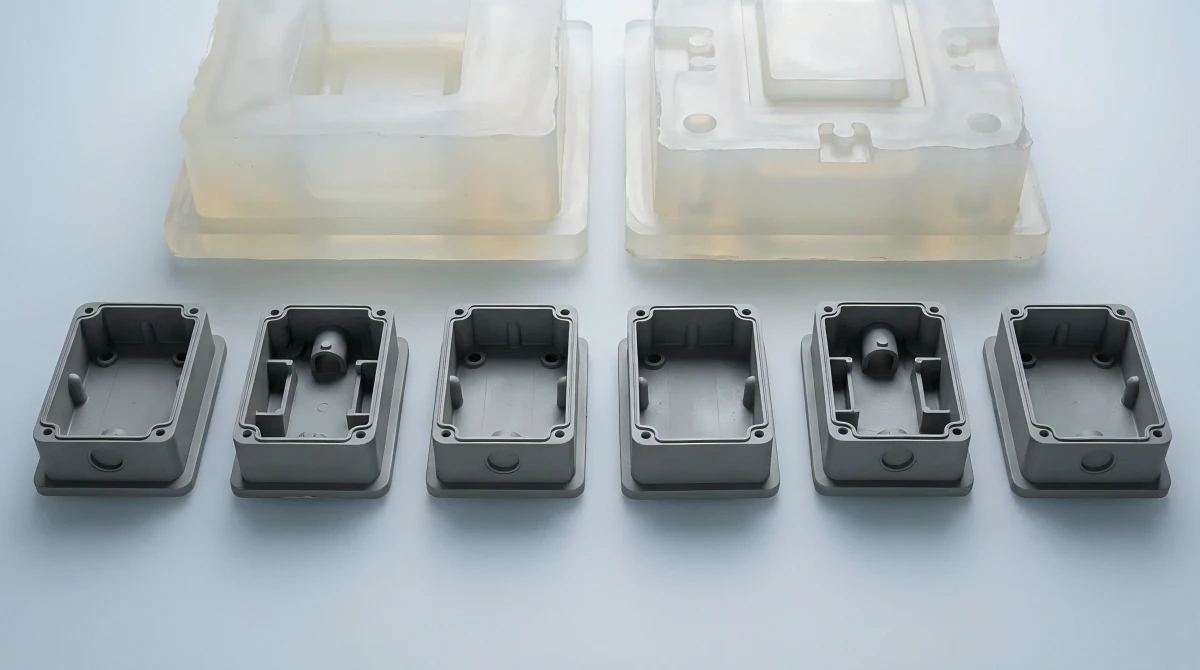
Rubber-Like Vacuum Casting Grades and the Hardness Each CoversRubber-like vacuum casting resins are two- or three-component polyurethanes that cure in a silicone mold to an elastomer, with a Shore A hardness chosen for the part. The variable-hardness systems reach the range by adding a third component to a fixed A:B pair.
Shore Hardness Standards for Cast Polyurethane Parts

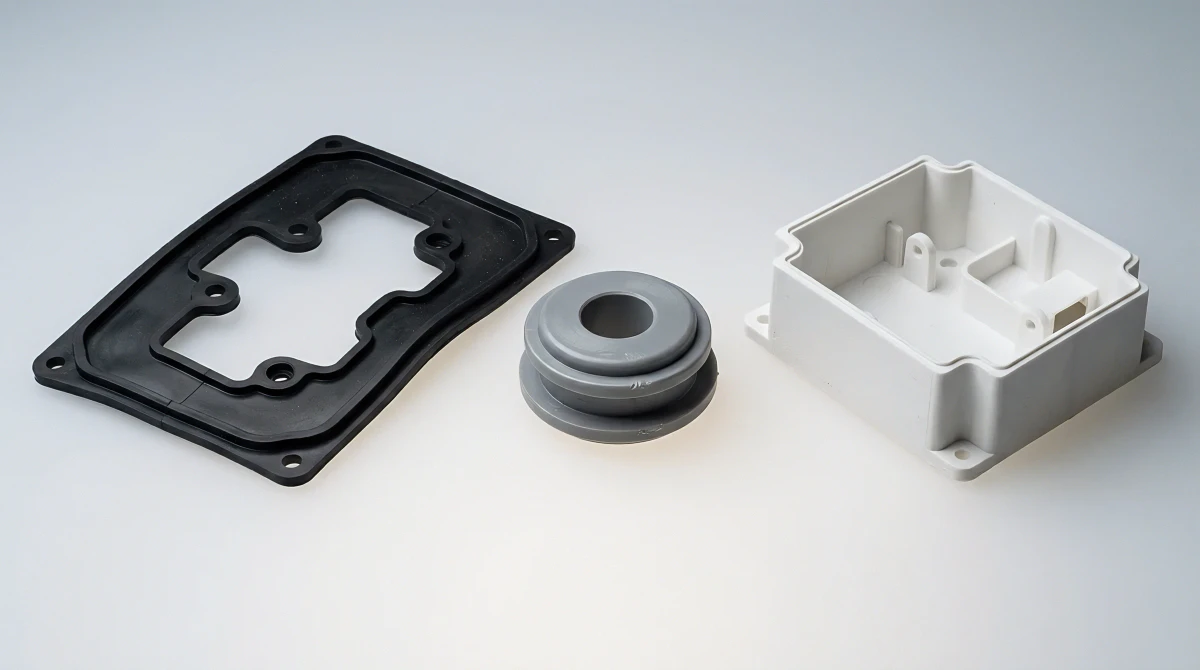
Shore hardness is a control number tied to a scale, a temperature, a cure state and a reading time, and a drawing callout needs all four.

Hardness Standards Behind a Cast Polyurethane Shore ValueThree documents appear most often around cast polyurethane. ISO 868 is the plastics method named on the resin sheets, ASTM D2240 is the American test method that reaches rubber and some plastics, and ISO 48-4 is the rubber method that covers softer grades.

Silicone Rubber for Vacuum Casting Molds

Mold silicone is an addition-cure rubber chosen for hardness and resin resistance, checked against every material it touches, and treated as a consumable.

Silicone Rubber as the Mold Material in Vacuum CastingA mold silicone is a two-component liquid rubber that is poured round a master, cured at room temperature or a little above, and cut open to release the master. Renishaw describes Vacusil 2000 as a two-component addition-cure liquid silicone rubber designed for mold making, curing at room temperature to a translucent, high-strength elastic rubber, and names vacuum casting of polyurethane resins among its uses.

Send the Drawing of Your Cast Part

Send the 2D drawing and the 3D file, with the quantity and the stage of the project. An engineer replies within 1 working day.

The quote form, the mutual NDA and the private folder for your files are on Protolis Atelier, with Vacuum Casting chosen.

Request a Quote