Meaning
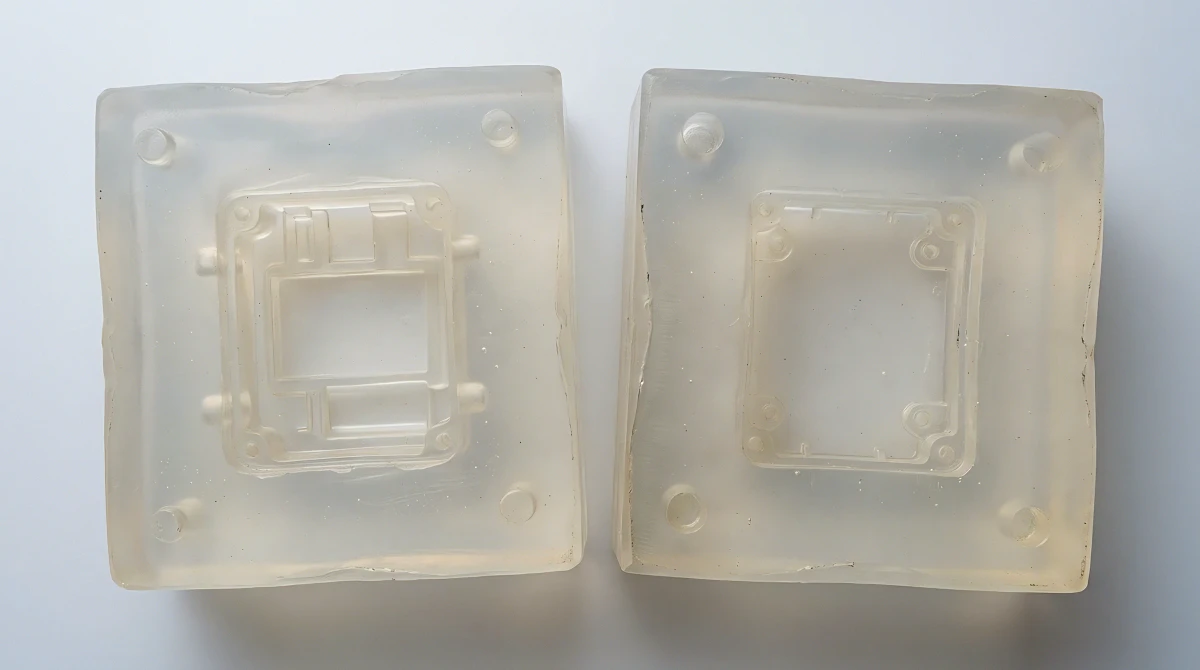
A thin rib is a narrow wall standing off a cast part, the feature most exposed to slow cure, early demolding and tool wear. It cures more slowly than a thick section, most likely because it holds little reaction heat. It bends or tears first when a tool opens too soon. In the master, it is also one of the features that shorten a tool’s life.Slower Cure
The resin sheets tie longer demold times to thin sections. PX331 needs 75 minutes below 3 mm (0.12 in) against 45 minutes above it. PX523 needs 3 hours below 5 mm (0.20 in) against 45 minutes for a 100 mm (3.94 in) block. A clear part needing PX523 for a thick zone takes the slower cure its thin ribs require.Read More
Early Opening Damage
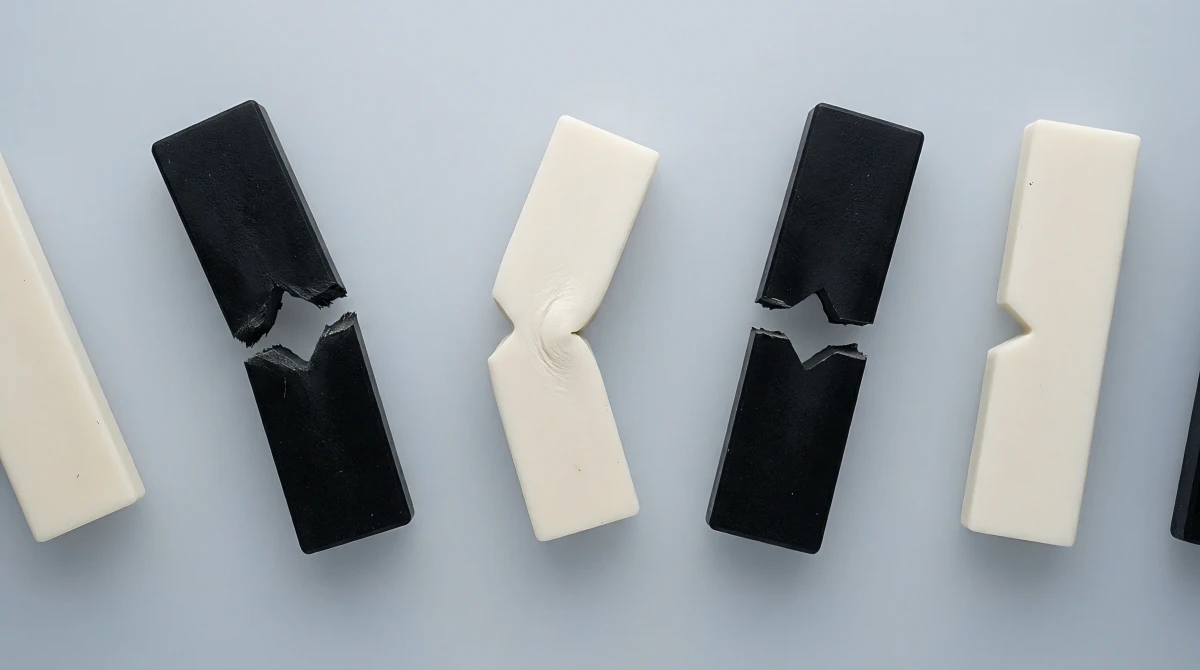
A part taken out before its time shows it on the rib first. The rib bends or tears, and the parting line distorts. The check is the demold time read against the thinnest wall, with the tool at 70 °C (158 °F).Tool Wear Effect
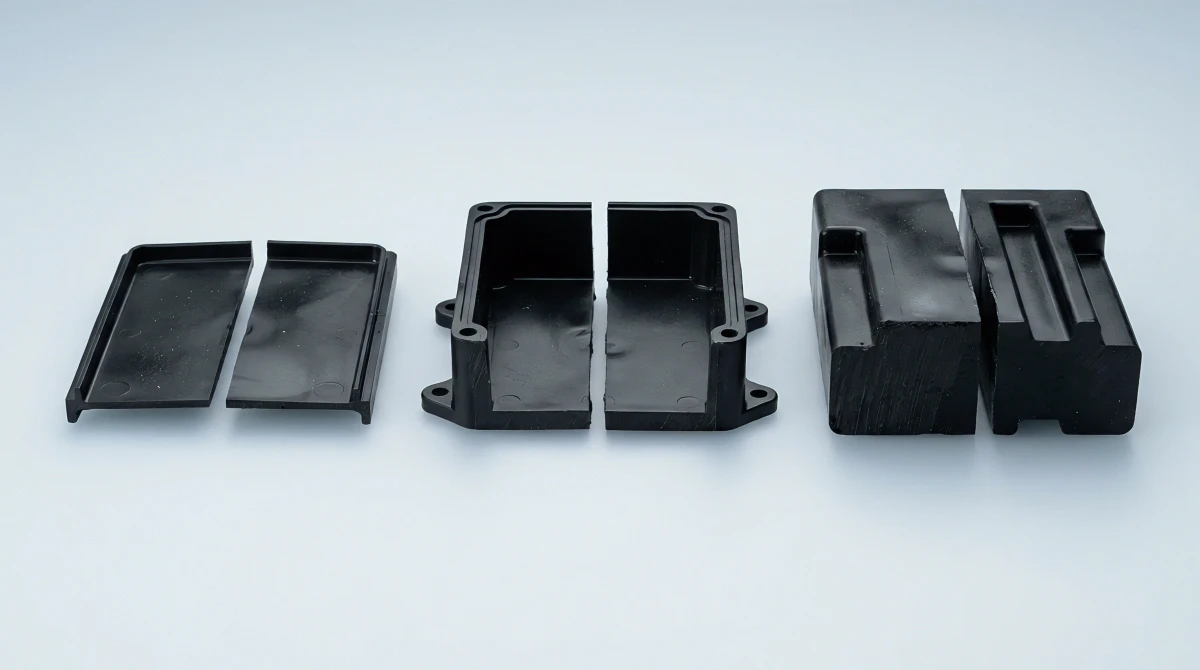
A thin rib in the master is a thin slot in the silicone. Thin ribs join deep undercuts and aggressive resins among the causes of short tool life. The silicone sheets give no formula for how much.Rib and Wall Junction
How a rib cures where it meets a heavy wall is not stated anywhere. None says which of the 2 sets the demold time. A trial casting of that section answers it before the master is finished.Hardness Reading Location
A rib is a poor place to read hardness. Readings go on solid areas, several at a time, clear of ribs and edges. The reading location goes into the drawing note, so supplier and buyer measure the same spot.