Patch Test

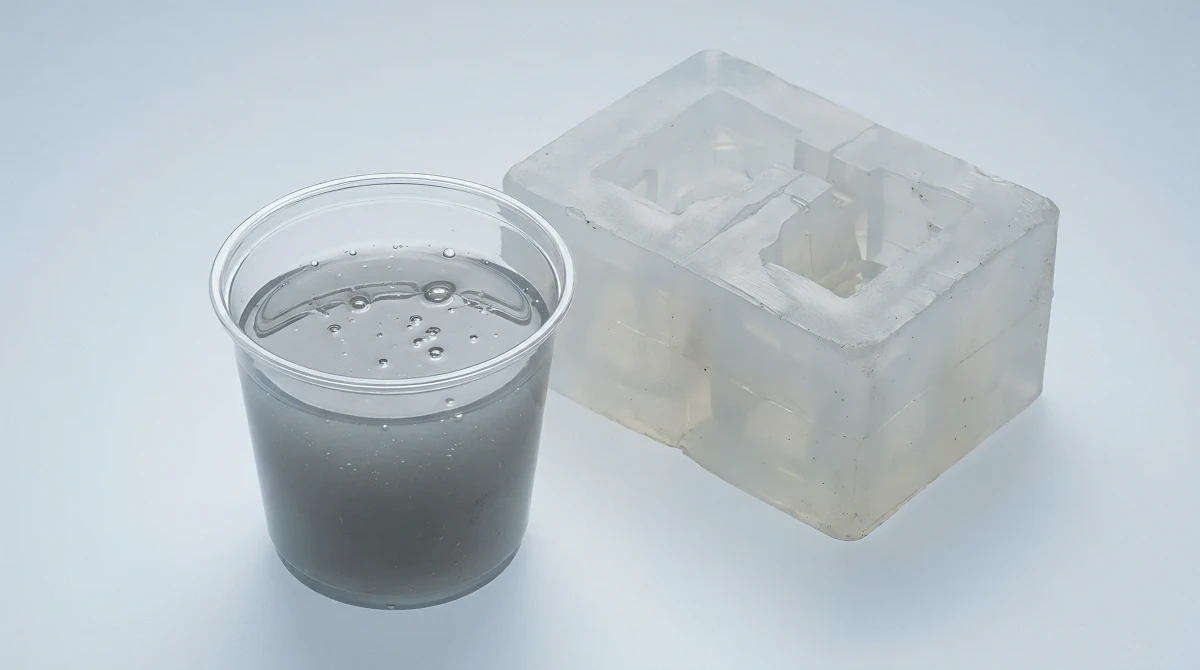
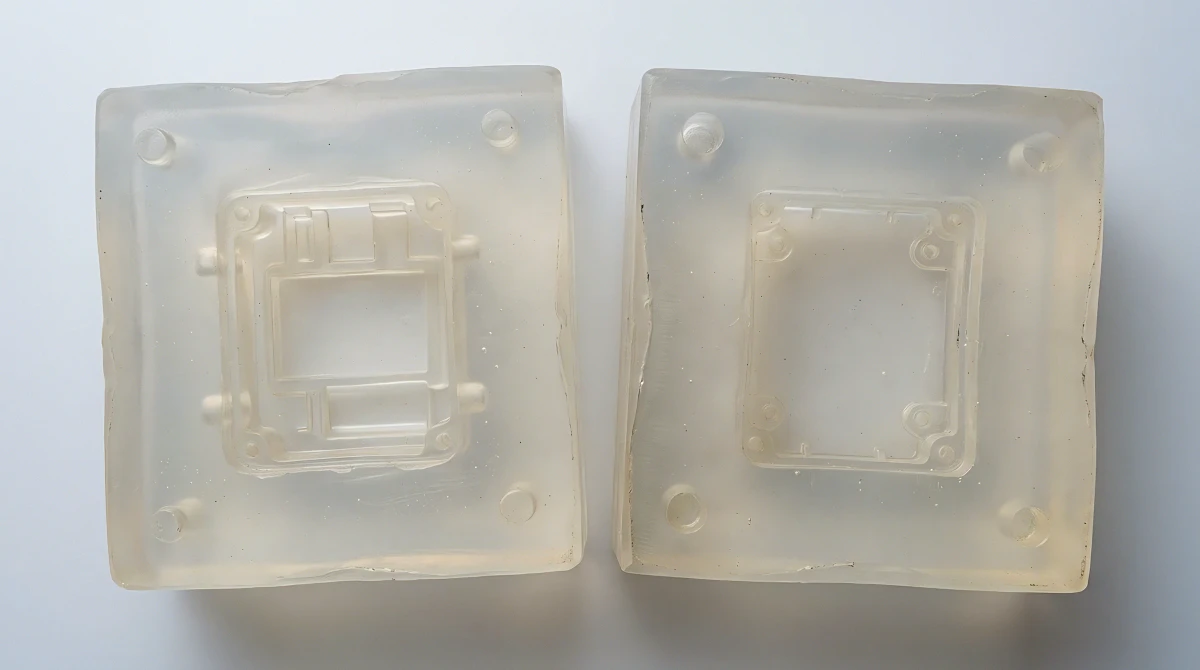
A patch test is a small trial pour of mold silicone onto a material it will touch, to check that it cures fully.

Every Patch Test article of the Vacuum Casting Resources, newest first, each written from published standards, research and makers’ data.

Meaning

A patch test is a small trial pour of mold silicone onto a material it will touch, to check that it cures fully. Renishaw’s Vacusil 2000 sheet recommends a preliminary compatibility test and calls patch testing advisable before use. It guards against cure inhibition of addition-cure silicone. The test costs an afternoon and spares a day of wasted silicone cure.

Procedure

A scrap or a small zone of the master gets each coating that the rubber will meet. A small amount of mixed rubber is poured over it. After the full cure time, the rubber is checked for a complete set. A sticky or cloudy skin means the material inhibits the cure.
Read More

Screened Materials

Renishaw names water and sulfur, amine, organometallic and phosphorus compounds as cure poisons. Sources include condensation-cure silicones, clay, wood, rubber, tape, wax and paint. The master’s coating and the tapes on it are the usual candidates. The list names families, so each shop builds its own record of what passed.

Resin Release Check

A 2004 dissertation describes 2 related checks. Silicone is poured onto the modeling clay of a first mold half to check that it releases. For the resin, a little is poured onto cured rubber to confirm that it releases. Sika wants such trials run under production conditions with the actual release agent.

Result Reading

A cloudy or tacky skin on a cured tool signals cure inhibition, which trapped air does not cause. More vacuum does nothing for it. Even mild inhibition weakens a tool from the start, which is the risk the trial pour removes.
Degassing Silicone and Resin in Vacuum Casting

Each resin component is evacuated alone for about ten minutes, the silicone twice, and the air returns before the pot life ends.

Why Silicone and Resin Are Degassed Under VacuumMixing puts air into any liquid. Stirring two viscous components together folds the surface into the bulk, and a general guide from the mold supplier ArtMolds puts the air picked up by mixing at 5 % to 20 % of the volume, calling it the primary cause of bubbles in cast parts.

Silicone Rubber for Vacuum Casting Molds

Mold silicone is an addition-cure rubber chosen for hardness and resin resistance, checked against every material it touches, and treated as a consumable.

Silicone Rubber as the Mold Material in Vacuum CastingA mold silicone is a two-component liquid rubber that is poured round a master, cured at room temperature or a little above, and cut open to release the master. Renishaw describes Vacusil 2000 as a two-component addition-cure liquid silicone rubber designed for mold making, curing at room temperature to a translucent, high-strength elastic rubber, and names vacuum casting of polyurethane resins among its uses.

Send the Drawing of Your Cast Part

Send the 2D drawing and the 3D file, with the quantity and the stage of the project. An engineer replies within 1 working day.

The quote form, the mutual NDA and the private folder for your files are on Protolis Atelier, with Vacuum Casting chosen.

Request a Quote