Meaning
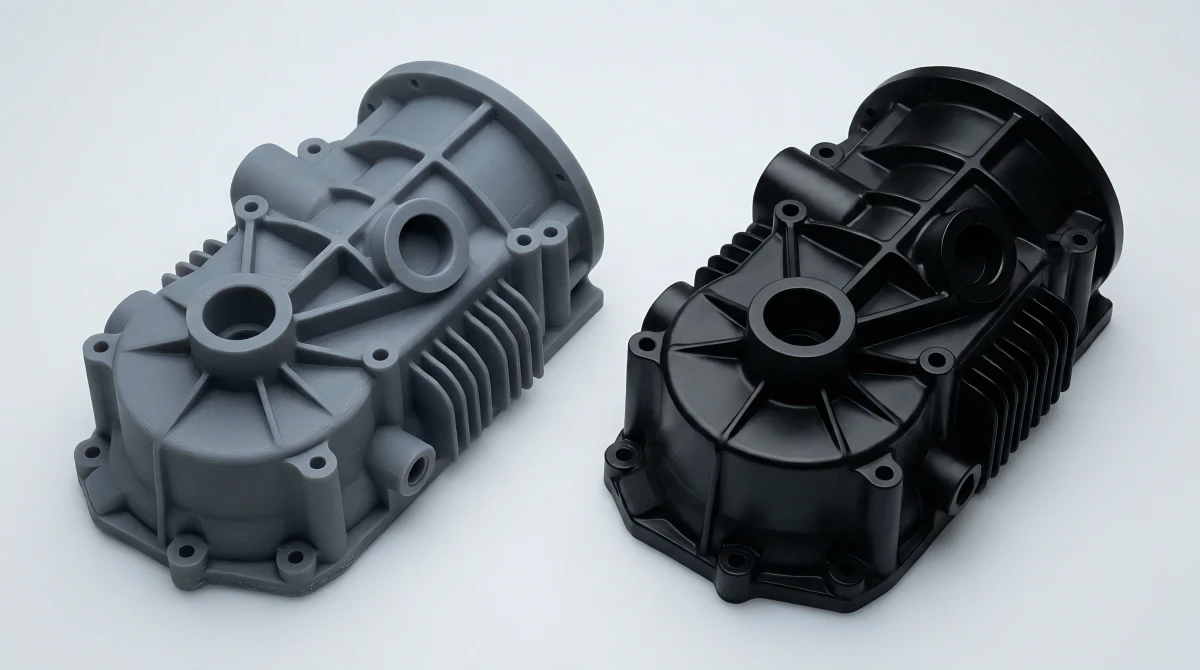
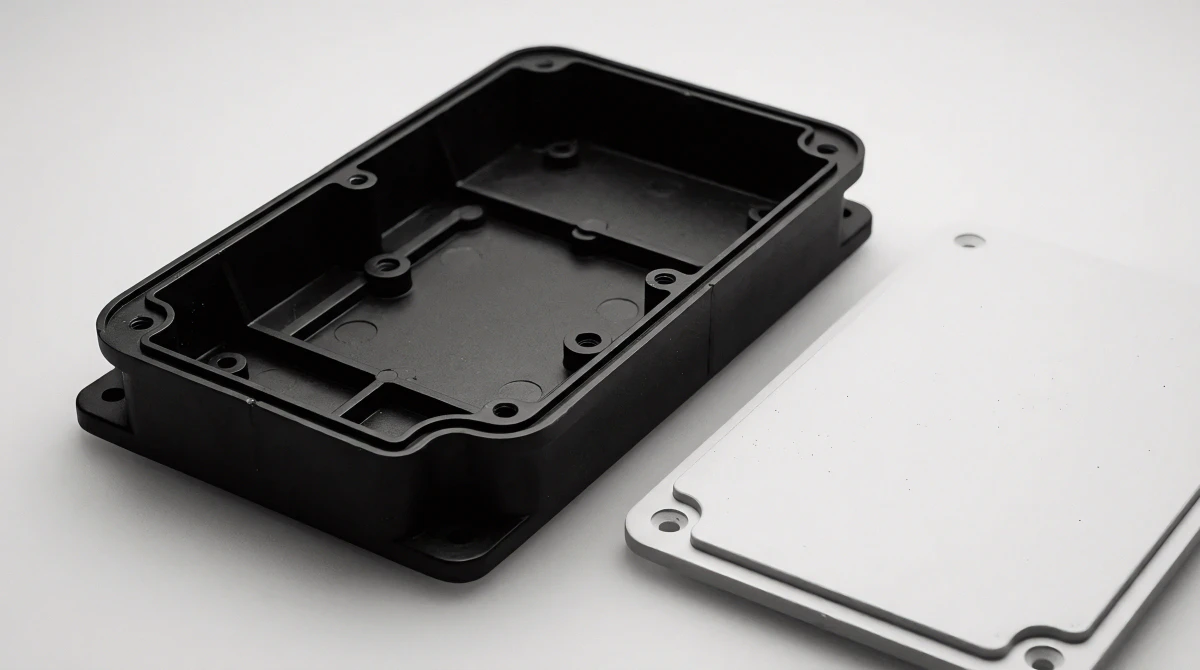
An enclosure is a housing that surrounds and protects other parts, one of the most common jobs for a vacuum cast polyurethane part. It brings together fit, heat and flame questions in one component. Renishaw suggests its flame-retardant 8263 for electrical enclosures. The articles of these resources use enclosures as their worked cases.Part Fit
A 2020 study cast a battery cover for an enclosure from 3 printed masters. Covers from the SLA and MJF masters would not seat in the enclosure. Their longer dimension came out larger than the opening and left no clearance. The authors advise a design tolerance where parts from different processes meet.Read More
Flame Rating
A housing that needs a flame rating narrows the resin choice at once. PX331 states UL 94 V-0 at 3 mm (0.118 in), and 8263 states V-0 without a thickness. A V-0 resin does not make an enclosure compliant with an equipment standard. Such standards judge the finished assembly. The small-flame test says nothing on smoke, spread or heat release.Service Heat
A part for a 60 °C (140 °F) enclosure sits 25 °C (45 °F) below the 85 °C (185 °F) heat deflection of PX522. The load, the wall thickness and the post-cure still decide whether it holds. Holding a first article at that temperature under load gives the direct answer.Surface Tracking
An electrical enclosure meets a second property that sounds like a flame rating. Tracking resistance measures how well a surface resists current creeping across it. PX523 prints 600 V under IEC 60112 and carries no flame statement. An enclosure program lists both properties, with the method and thickness beside each.