Meaning
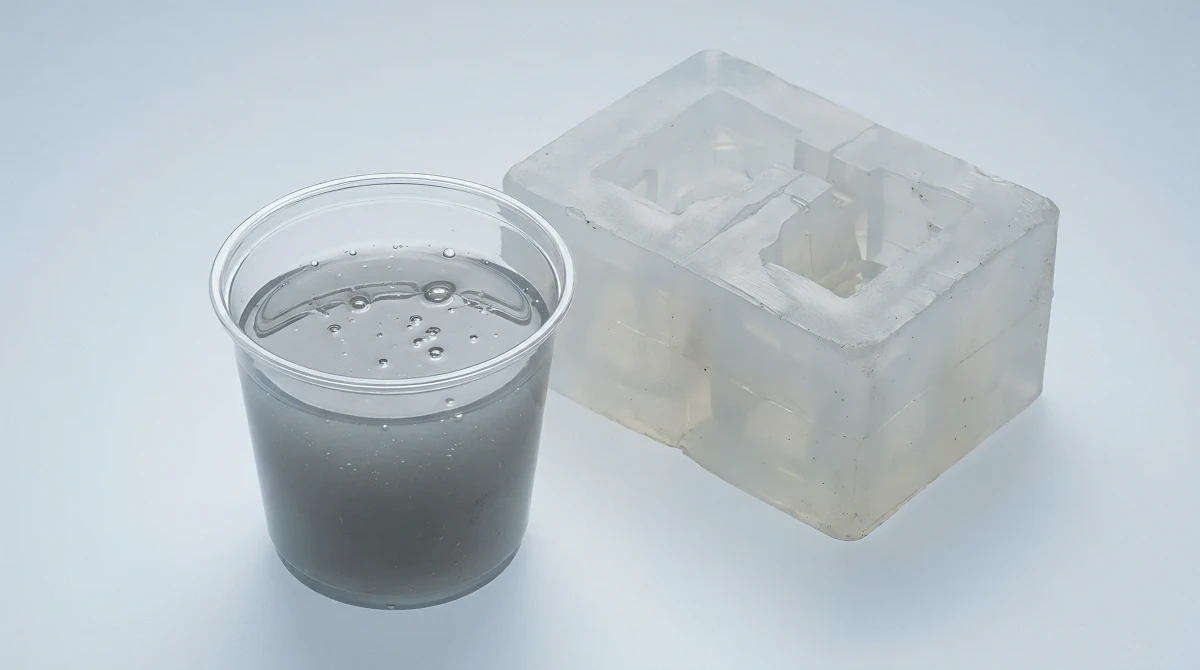
Cup loss is the resin left behind in a mixing cup when its contents are tipped into the second cup, which shifts the mixing ratio unless it is allowed for when weighing. Every vacuum casting pour is mixed from two weighed cups, so cup loss is part of every recipe.Allowance
Renishaw’s handling procedures ask for A and B to be weighed into separate cups allowing for cup loss, the amount of resin left in cup A after tipping. The Free State dissertation describes the practice in its own machine: the lower-viscosity component goes into the smaller top cup to limit what stays behind, and about 5 g (0.18 oz) extra is weighed into that cup to make up for it. When the same resin is processed again, the cup can be reused without adding the extra, because its film is already there.Read More
Minimum Pour
The same dissertation sets a floor: below about 50 g (1.8 oz) of resin, the amount left in the cup influences the ratio between the two components so much that it changes the material’s properties. Small pours are therefore the ones most exposed.Effect on Color
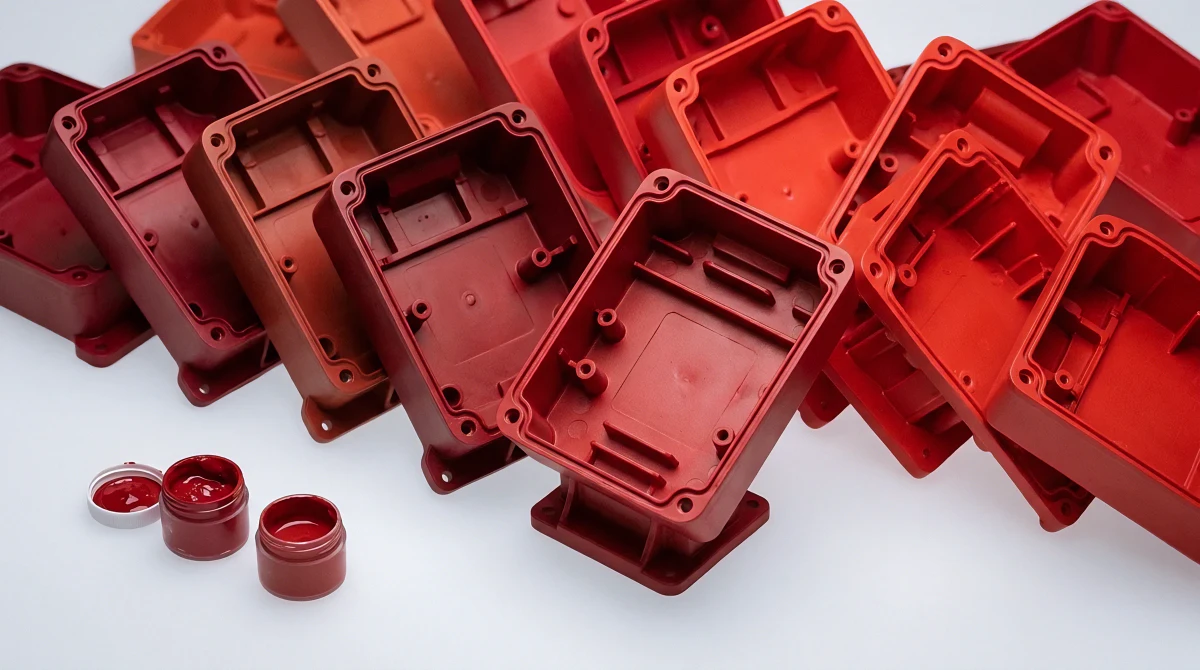
Cup loss matters for color as well. A pigment dose capped at 2 % of total weight, as on Renishaw’s sheets, is 2 g (0.07 oz) in a 100 g (3.5 oz) pour, and an error in what reaches the mix shows as a shade difference from one pour to the next.Batch Defects
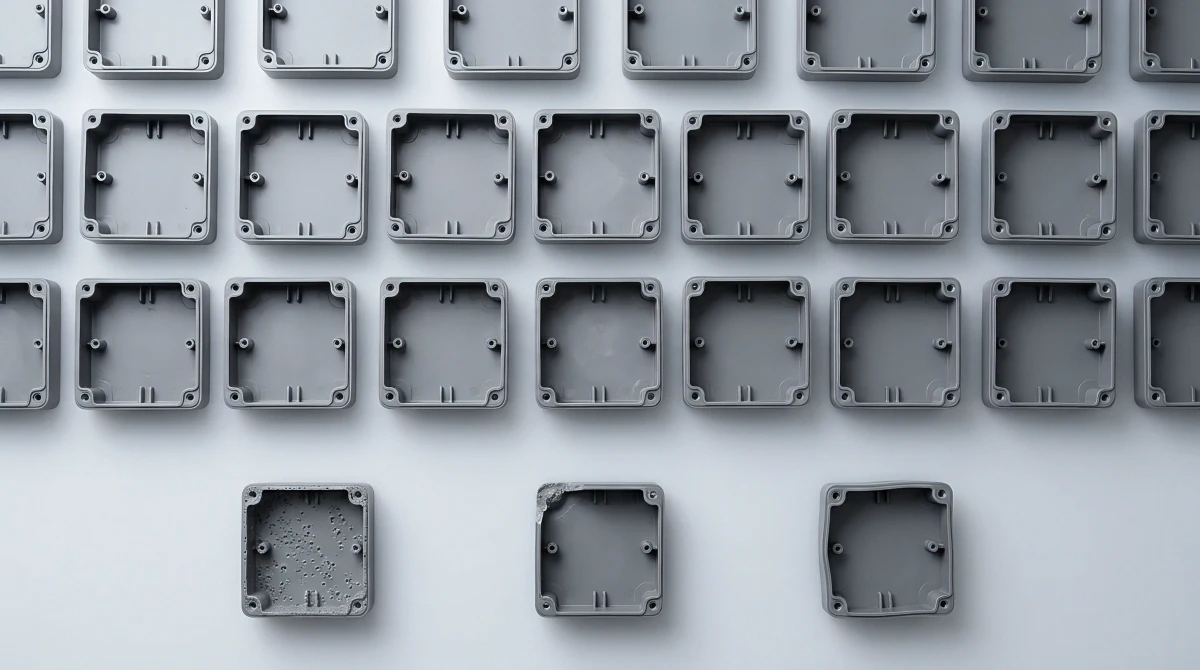
A mix ratio upset by cup loss leaves soft, tacky or uncured areas across a whole pour, which is how an inspector tells it from a moisture fault, whose sign across a pour is bubbles rather than soft spots.